Definition and Significance in Irish Mythology
The Tuatha Dé Danann: A Glimpse into the Divine
In the rich tapestry of Irish mythology, the Tuatha Dé Danann stands out as a central figure, embodying the intersection of the divine and the earthly. Often translated as the “People of the Goddess Danu,” the Tuatha Dé Danann are not merely mythological beings; they represent a complex interplay of culture, spirituality, and identity that has shaped the Irish landscape and its people for centuries. Understanding the definition and significance of the Tuatha Dé Danann is essential for anyone seeking to grasp the broader themes of Irish prehistory and mythology.
Defining the Tuatha Dé Danann
The Tuatha Dé Danann are often depicted as a race of supernatural beings with extraordinary powers and attributes. In the mythological narratives, they are described as skilled artisans, warriors, and sorcerers, possessing knowledge of the mystical arts and the natural world. Their name, linked to the goddess Danu, suggests a connection to fertility, wisdom, and the earth itself. This divine lineage positions them as both protectors and custodians of the land, embodying the values and beliefs of ancient Irish society.
The Tuatha Dé Danann are said to have arrived in Ireland from the mythical island of Tír na nÓg, a realm of eternal youth and beauty. Their arrival marked a significant turning point in Irish mythology, as they are often portrayed as the rightful rulers of the land, destined to engage in an epic struggle against the Fomorians, a race of chaotic and malevolent beings. This conflict symbolizes the eternal struggle between order and chaos, light and darkness, a theme that resonates deeply within the human experience.
The Significance of the Tuatha Dé Danann in Irish Culture
The significance of the Tuatha Dé Danann extends far beyond their mythological narratives. They serve as a cultural touchstone, reflecting the values, beliefs, and aspirations of ancient Irish society. The stories surrounding the Tuatha Dé Danann articulate a worldview that emphasizes the interconnectedness of nature, humanity, and the divine. Their reverence for the land and its resources speaks to a deep-seated understanding of sustainability and stewardship, principles that are increasingly relevant in today’s world.
Guardians of the Land
The Tuatha Dé Danann are often depicted as guardians of the natural world, embodying the spirit of the land itself. Their connection to various elements—such as the earth, water, and sky—highlights the importance of nature in Irish mythology. Each member of the Tuatha Dé Danann is associated with specific aspects of the natural world, from the fertility goddess Danu to the warrior deity Lugh, who is linked to the sun and light. This intricate relationship underscores the belief that the divine is woven into the very fabric of the landscape.
The Role of Myth in Identity
Mythology plays a crucial role in shaping cultural identity, and the Tuatha Dé Danann are no exception. They represent a shared heritage that transcends time, connecting modern Irish people to their ancient ancestors. The stories of the Tuatha Dé Danann serve as a bridge between the past and present, offering insights into the values and beliefs that have endured through generations. Their tales are not just relics of a bygone era; they continue to resonate within contemporary Irish culture, influencing literature, art, and even national identity.
The Symbolism of Transformation
Transformation is a recurring theme in the narratives surrounding the Tuatha Dé Danann. Their ability to shapeshift and manipulate the natural world signifies the fluidity of identity and the potential for change. This symbolism reflects the human experience, where individuals navigate the complexities of life, adapting to new circumstances and challenges. The Tuatha Dé Danann’s transformative nature serves as a reminder that change is an inherent part of existence, and embracing it can lead to growth and enlightenment.
The Tuatha Dé Danann in the Landscape
The significance of the Tuatha Dé Danann is also deeply embedded in the Irish landscape itself. Numerous sites across Ireland are associated with these mythological figures, often marked by ancient structures, burial mounds, and natural formations. These locations serve as physical manifestations of the stories and beliefs tied to the Tuatha Dé Danann, creating a rich tapestry of myth and geography.
Sacred Sites and Their Meanings
Many sacred sites in Ireland, such as the Hill of Tara and the Brú na Bóinne complex, are linked to the Tuatha Dé Danann. The Hill of Tara, once the seat of the High Kings of Ireland, is steeped in mythological significance, believed to be a place where the Tuatha Dé Danann held their assemblies and made decisions regarding the land and its people. The ancient burial mounds at Brú na Bóinne, with their intricate carvings and alignments, are thought to be connected to the rituals and beliefs of the Tuatha Dé Danann, serving as a testament to their enduring legacy.
The Landscape as a Living Myth
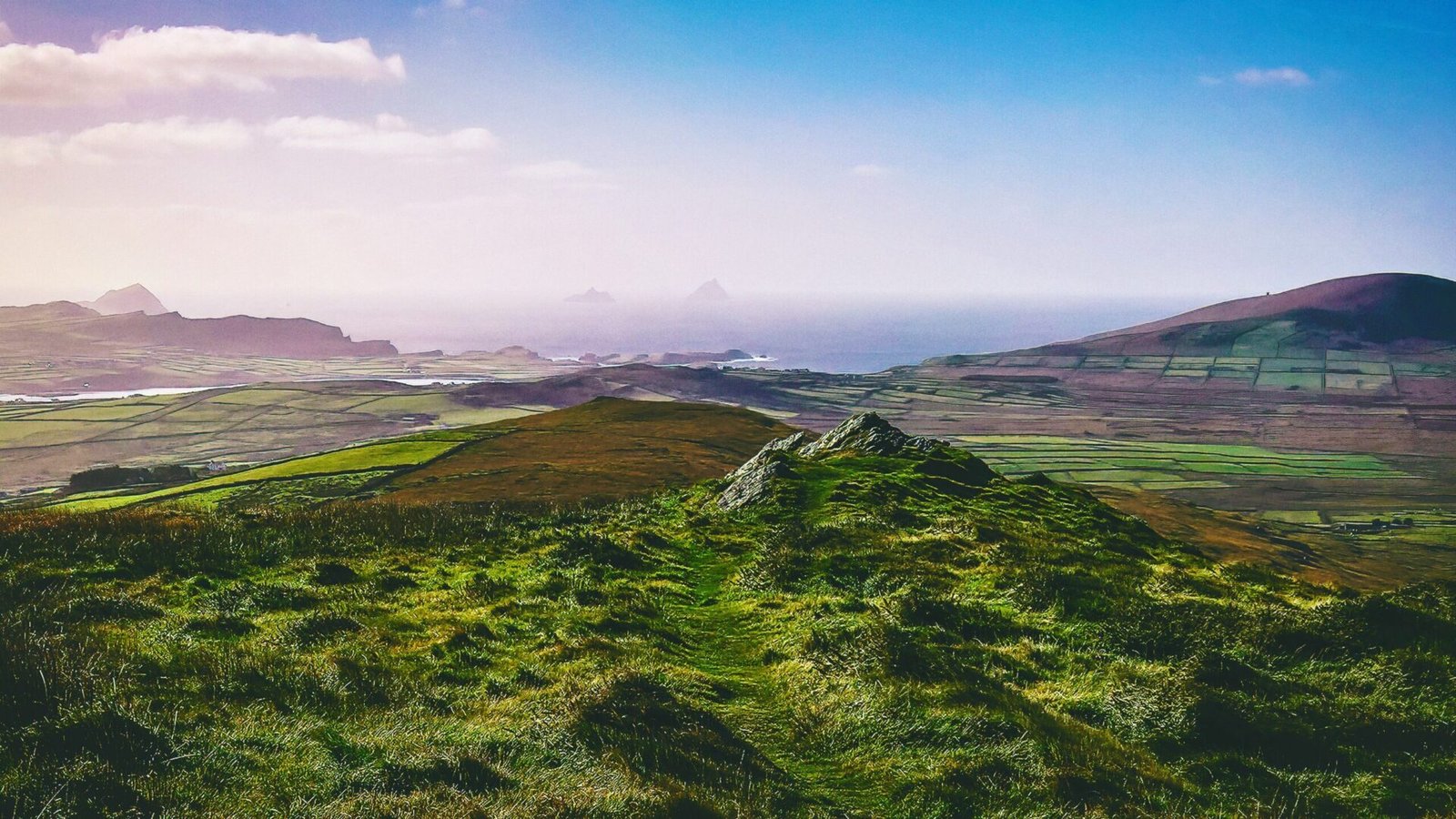
The Irish landscape is often described as a living myth, where every hill, river, and stone holds a story. The presence of the Tuatha Dé Danann in this landscape reinforces the idea that mythology is not separate from reality; rather, it is intertwined with the very essence of the land. The stories of the Tuatha Dé Danann are etched into the hills and valleys, inviting those who traverse the landscape to engage with the myths that have shaped their culture.
The Enduring Legacy of the Tuatha Dé Danann
The legacy of the Tuatha Dé Danann continues to thrive in modern Irish culture. Their stories have inspired countless works of literature, art, and music, keeping the essence of these mythological figures alive. Festivals and celebrations often draw upon the themes and characters of the Tuatha Dé Danann, fostering a sense of connection to the past while celebrating the vibrancy of contemporary Irish identity.
A Source of Inspiration
Artists, writers, and musicians have long drawn inspiration from the tales of the Tuatha Dé Danann. From the epic poetry of the ancient sagas to contemporary novels and films, their influence permeates various forms of creative expression. The themes of heroism, love, and the struggle between light and darkness resonate deeply, allowing for a rich exploration of the human condition through the lens of mythology.
A Cultural Renaissance
In recent years, there has been a resurgence of interest in Irish mythology, with the Tuatha Dé Danann at the forefront of this cultural renaissance. Scholars, storytellers, and enthusiasts are rediscovering the significance of these mythological figures, exploring their relevance in today’s world. This revival not only honors the past but also invites new interpretations and understandings, ensuring that the legacy of the Tuatha Dé Danann continues to evolve.
In the intricate web of Irish mythology, the Tuatha Dé Danann serve as a vital thread, weaving together themes of identity, nature, and transformation. Their stories resonate across time, inviting us to explore the depths of our own humanity and our connection to the world around us. As we delve into the myths and landscapes of Ireland, the Tuatha Dé Danann remind us of the enduring power of storytelling and the profound significance of our shared cultural heritage.