Notable Figures and Archetypes in Mesolithic Myths
The Mesolithic period, often referred to as the Middle Stone Age, was a time of significant transition in human history, marked by the shift from nomadic hunter-gatherer societies to more settled ways of life. This era, which spanned from approximately 10,000 to 5,000 BCE, is rich with cultural and mythological significance, particularly in the context of Ireland. As we delve into the earliest stories and legends that emerged during this period, we uncover a tapestry of notable figures and archetypes that reflect the beliefs, values, and experiences of Mesolithic people. These myths not only provide insight into the human psyche of the time but also reveal the deep connection between the landscape and the stories that shaped it.
The Landscape as a Living Entity
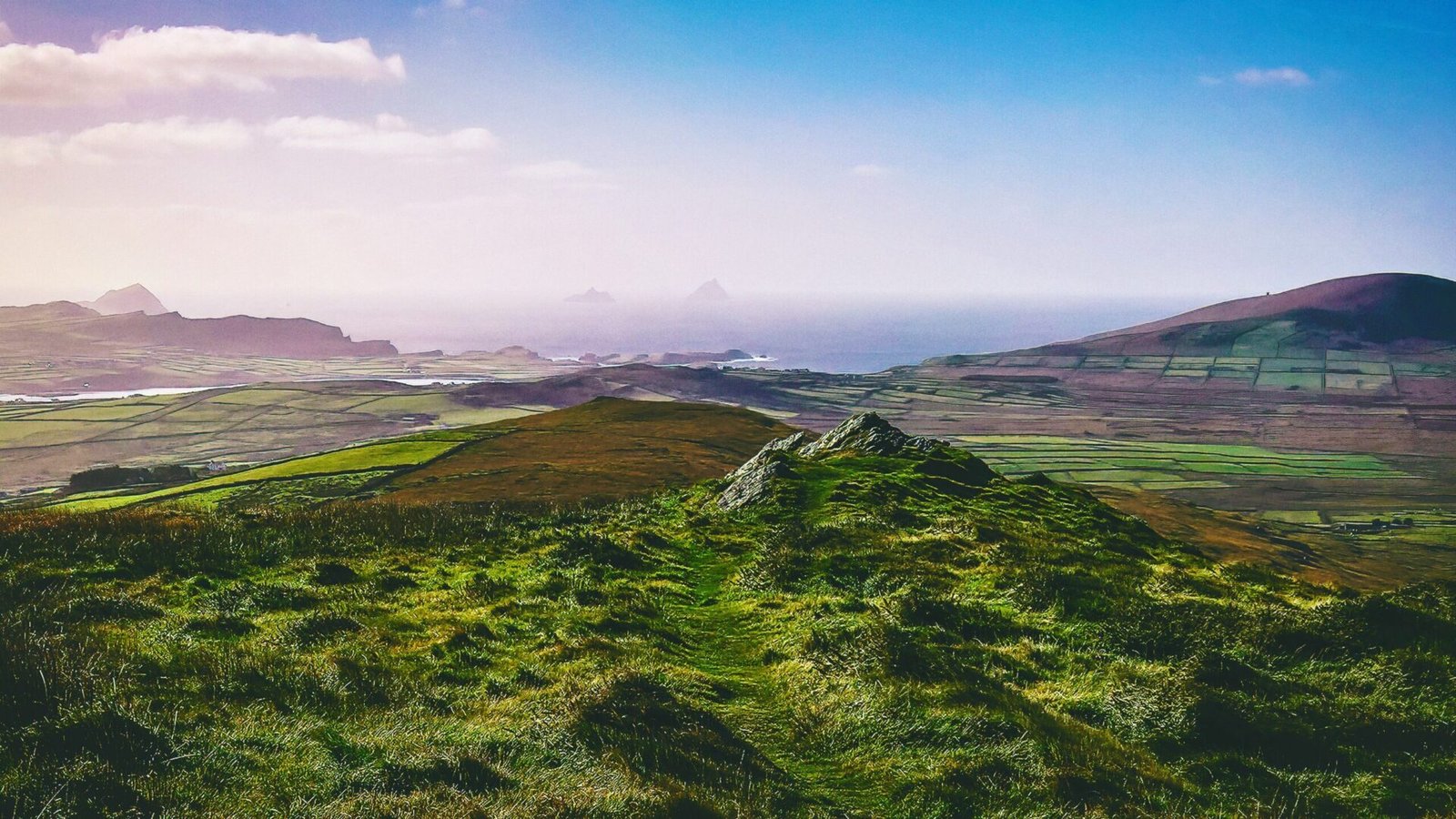
Before we explore the notable figures in Mesolithic myths, it is essential to understand the landscape’s role in shaping these narratives. The Irish landscape, with its rolling hills, ancient forests, and meandering rivers, was more than just a backdrop; it was a living entity imbued with spiritual significance. The Mesolithic people perceived the natural world as a realm filled with spirits and deities, influencing their daily lives and survival.
In many Mesolithic myths, the landscape itself is personified, often featuring archetypal figures that embody its various elements. Rivers may be represented by water spirits, while mountains could be personified as powerful guardians. This deep-rooted connection to the land is reflected in the stories passed down through generations, where the landscape becomes a character in its own right, shaping the destinies of heroes and heroines.
The Hunter Archetype
One of the most prominent figures in Mesolithic myths is the archetypal hunter. This character embodies the skills, bravery, and resourcefulness required for survival in a challenging environment. The hunter is often depicted as a figure of strength and cunning, navigating the complexities of the natural world with an intimate understanding of animal behavior and seasonal changes.
In these myths, the hunter’s journey is not just a physical quest for sustenance; it is also a spiritual journey that involves encounters with the supernatural. The hunter often faces trials that test their resolve and character, such as battling mythical beasts or outsmarting cunning spirits. These stories serve to reinforce the values of courage, perseverance, and respect for nature, highlighting the hunter’s role as both provider and protector.
The Wise Woman
Complementing the archetype of the hunter is the figure of the wise woman, often portrayed as a healer and keeper of ancient knowledge. This character embodies the nurturing aspects of society, possessing an intuitive understanding of plants, animals, and the cycles of life. The wise woman is frequently depicted as a guide, offering wisdom to heroes on their journeys and helping them navigate the challenges they face.
In Mesolithic myths, the wise woman often has a deep connection to the earth, drawing upon its resources to heal and sustain her community. Her knowledge is not merely practical but also spiritual, as she serves as a bridge between the physical and metaphysical realms. Through her, we see the importance of balance and harmony with nature, as well as the reverence for the wisdom passed down through generations.
The Trickster
Another intriguing archetype in Mesolithic myths is the trickster, a figure who embodies chaos and unpredictability. The trickster often challenges the status quo, using wit and cunning to outsmart more powerful beings. This character serves as a reminder of the importance of adaptability and the need to embrace change in an ever-evolving world.
Trickster figures in Mesolithic myths may engage in playful antics that disrupt the natural order, but their actions often lead to valuable lessons for both themselves and others. They teach the importance of humility, creativity, and the ability to navigate life’s uncertainties. The trickster’s role in these stories reflects the human experience of grappling with the unknown and finding joy in the face of adversity.
In many Mesolithic myths, ancestral spirits play a vital role, connecting the living with their forebears. These figures are often depicted as guardians of the land, watching over their descendants and guiding them in times of need. The presence of ancestral spirits underscores the importance of lineage and the belief that the past continues to influence the present.
These spirits are frequently associated with specific locations in the landscape, such as sacred groves, ancient burial mounds, or notable natural features. In this way, the myths serve to reinforce the connection between people and place, emphasizing the idea that the land is imbued with the essence of those who have come before. Ancestral spirits remind the living of their responsibilities to honor their heritage and maintain a harmonious relationship with the environment.
The Great Mother
The archetype of the Great Mother is another significant figure in Mesolithic myths, representing fertility, nurturing, and the life-giving forces of nature. This figure is often associated with the earth itself, embodying the cycles of birth, growth, and decay. The Great Mother is a source of sustenance and protection, symbolizing the interconnectedness of all living things.
In Mesolithic narratives, the Great Mother may be invoked in rituals to ensure bountiful harvests, successful hunts, or the health of the community. Her presence in these myths reflects the reverence for the natural world and the understanding that human survival is intricately linked to the rhythms of the earth. The Great Mother serves as a reminder of the importance of stewardship and the need to honor the delicate balance of life.
The Mythical Beasts
No exploration of Mesolithic myths would be complete without mentioning the mythical beasts that populate these stories. From fearsome predators to benevolent guardians, these creatures often serve as symbols of the challenges and wonders of the natural world. They may represent the primal forces of nature, embodying both the beauty and danger inherent in the landscape.
Mythical beasts in Mesolithic narratives often act as catalysts for change, prompting heroes to embark on quests or confront their fears. These encounters with the extraordinary reflect the human desire to understand and navigate the complexities of existence. The portrayal of mythical beasts also highlights the respect and awe that Mesolithic people held for the natural world, recognizing the delicate balance between humanity and the untamed wilderness.
Conclusion
The notable figures and archetypes in Mesolithic myths offer a window into the beliefs, values, and experiences of early Irish societies. Through the lens of these stories, we gain insight into the profound connection between people and the landscape, as well as the enduring themes of survival, wisdom, and the interplay of chaos and order. As we continue to explore the rich tapestry of Irish prehistory, these myths remind us of the timeless human quest for meaning and understanding in a world filled with mystery and wonder.