
The Importance of Megalithic Tombs in Understanding Ancient Irish Society
Introduction to Megalithic Tombs
Megalithic tombs, monumental structures built from large stones, are among the most enduring legacies of ancient Irish society. These remarkable constructions, which date back to the Neolithic period (around 4000–2500 BCE), serve as a window into the spiritual, social, and political lives of the people who inhabited the Emerald Isle long before the written word. As we delve into the significance of these tombs, we uncover layers of meaning that reveal how ancient communities interacted with their environment, their beliefs about life and death, and their social hierarchies.
Architectural Marvels: The Diversity of Megalithic Tombs
The megalithic tombs of Ireland are not a monolithic category; they encompass a variety of architectural forms, each with distinct characteristics and purposes. The three primary types of megalithic tombs found in Ireland are passage tombs, court tombs, and portal tombs.
Passage Tombs
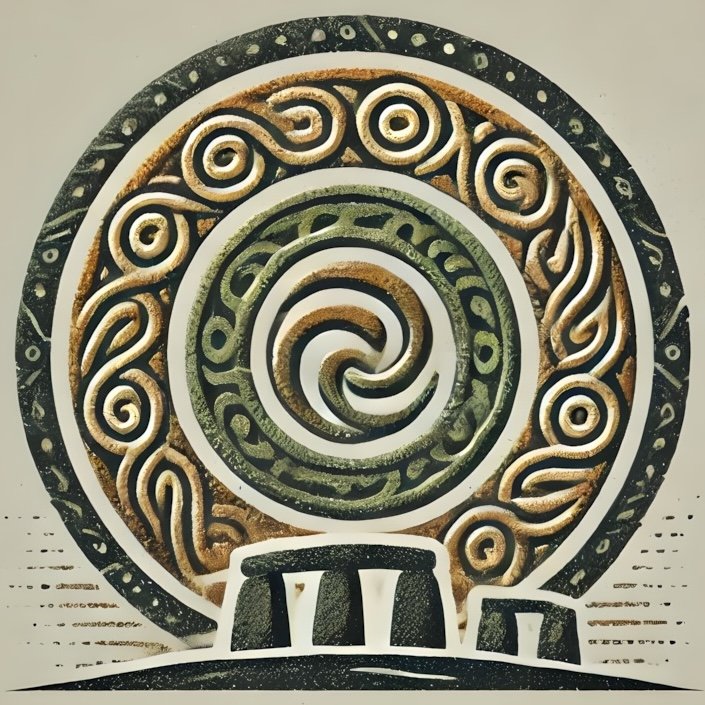
Passage tombs, such as the famed Newgrange in County Meath, are characterized by long, narrow passages leading to a central chamber. These tombs are often aligned with astronomical events, particularly the winter solstice, when sunlight illuminates the inner sanctum. This alignment suggests a sophisticated understanding of celestial cycles and reflects the importance of astronomy in ancient Irish culture. The intricate carvings found on the stones of these tombs, featuring spirals and other geometric patterns, hint at a rich symbolic language that has yet to be fully deciphered.
Court Tombs
Court tombs, typically found in the northern regions of Ireland, feature an open court area leading to a series of burial chambers. These structures often suggest a communal aspect to burial practices, indicating that the deceased were not merely individuals but part of a larger social fabric. The layout of court tombs may have facilitated rituals and gatherings, reinforcing social bonds among the living while honoring their ancestors.
Portal Tombs
Portal tombs, or dolmens, are simpler structures consisting of a large capstone supported by upright stones. Often found in rural landscapes, these tombs may have served as markers of territory or as focal points for communal gatherings. Their accessibility suggests that they played a role in the daily lives of the people, serving as reminders of the past and as places for rituals and remembrance.
Spiritual Beliefs and Funerary Practices
The construction of megalithic tombs was not merely a practical endeavor; it was deeply intertwined with the spiritual beliefs of ancient Irish society. The act of building these monumental structures indicates a complex understanding of life, death, and the afterlife. The presence of burial goods, such as pottery, tools, and personal items, within these tombs suggests that the ancient Irish believed in an existence beyond death, where the deceased would require provisions for their journey in the afterlife.
The elaborate rituals associated with burial practices also reveal much about social hierarchies and community dynamics. The inclusion of high-status individuals in grand tombs, often adorned with intricate carvings, indicates a stratified society where lineage and status played significant roles. The communal aspect of the tombs, particularly in court and passage tombs, suggests that the act of mourning and remembrance was a collective experience, reinforcing social bonds and shared identities.
Connection to Myths and Legends
Megalithic tombs are inextricably linked to the rich tapestry of Irish mythology and folklore. Many of these ancient structures are associated with legendary figures and events, serving as physical manifestations of the stories that shaped the cultural landscape of Ireland. For instance, the passage tomb at Knowth is often linked to the myth of the Tuatha Dé Danann, a supernatural race in Irish mythology, while the tomb at Newgrange is steeped in tales of the goddess Brigid.
These connections between megalithic sites and mythology highlight the importance of place in the ancient Irish worldview. The landscape was not merely a backdrop for human activity; it was imbued with meaning and significance, with each megalithic tomb serving as a marker of cultural memory. The stories associated with these sites helped to reinforce social norms, values, and collective identities, illustrating how the past was woven into the fabric of everyday life.
The Role of Megalithic Tombs in Social Organization
The construction and maintenance of megalithic tombs required considerable resources and labor, suggesting a level of social organization that goes beyond mere survival. The ability to mobilize communities for such monumental projects indicates the presence of leadership structures and a shared vision for the afterlife and ancestral veneration.
The presence of megalithic tombs across the Irish landscape also suggests a network of social connections among different communities. The exchange of ideas, rituals, and even materials likely facilitated cultural cohesion and interaction. The tombs served not only as burial sites but also as focal points for communal gatherings, reinforcing social ties and shared identities among neighboring groups.
The Landscape and Its Influence on Megalithic Tombs
The placement of megalithic tombs within the Irish landscape is another critical aspect of their significance. Many tombs are situated in prominent locations, such as hilltops or near water sources, suggesting a deliberate choice to connect the dead with the living landscape. This connection emphasizes the relationship between people and their environment, highlighting the importance of geography in shaping cultural practices.
The alignment of tombs with natural features, such as mountains or rivers, further illustrates the ancient Irish understanding of the landscape as a living entity. The tombs were not isolated structures; they were part of a larger cosmology that integrated the physical world with spiritual beliefs. This relationship between the landscape and megalithic tombs invites us to consider how ancient societies interacted with their environment, shaping their cultural practices and beliefs.
Archaeological Discoveries and Modern Interpretations
The study of megalithic tombs has evolved significantly over the years, with archaeological discoveries shedding light on the lives of ancient Irish people. Excavations have revealed not only burial practices but also insights into daily life, trade, and social organization. The analysis of artifacts found within these tombs has provided a wealth of information about the material culture of the time, including pottery styles, tools, and decorative items.
Modern interpretations of megalithic tombs continue to evolve, influenced by advancements in technology and shifts in theoretical frameworks. The integration of archaeological data with insights from anthropology, mythology, and landscape studies has enriched our understanding of these ancient structures and their significance within Irish society. As we continue to explore the complexities of megalithic tombs, we uncover new layers of meaning that deepen our appreciation for the rich tapestry of Ireland’s prehistoric past.
In conclusion, megalithic tombs are more than mere burial sites; they are vital keys to understanding the intricate web of beliefs, social structures, and cultural practices that defined ancient Irish society. Through their architectural diversity, spiritual significance, connections to mythology, and relationship with the landscape, these monumental structures offer a profound glimpse into the lives of those who came before us. As we continue to study and interpret these remarkable sites, we honor the legacy of the ancient Irish and the stories embedded within the stones.