Nature and the Landscape in Mythology
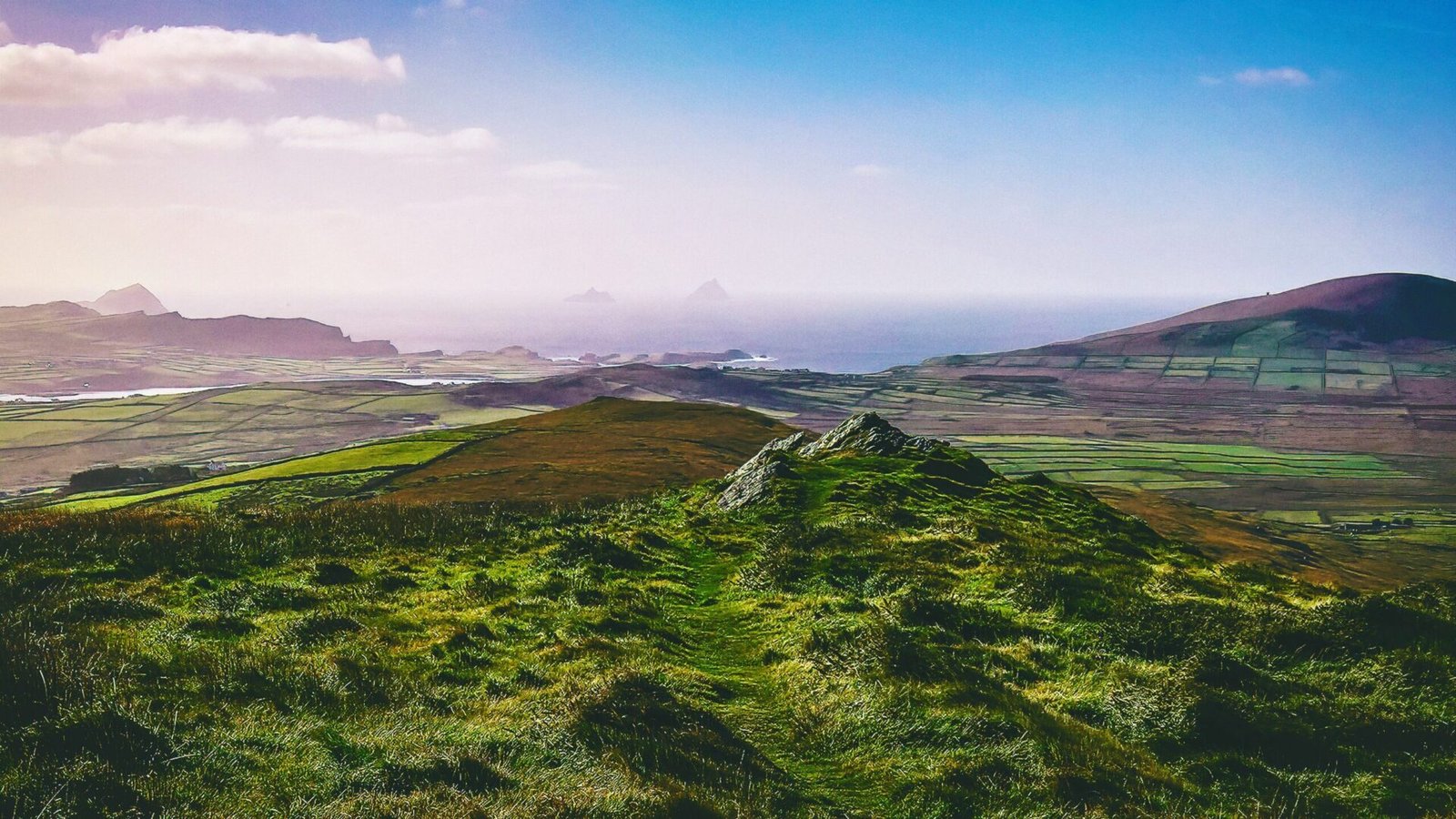
The intertwining of nature and landscape with mythology is a fascinating lens through which we can explore the beliefs and values of ancient cultures, particularly in the context of Irish prehistory. Myths serve as a bridge between the tangible world and the ethereal realms of the divine, often reflecting the natural environment that shaped the lives of the people who created them. In Ireland, where lush green hills meet rugged coastlines and ancient stone structures dot the landscape, the mythology is rich with references to the natural world. This section delves into the key themes of nature and landscape in mythology, exploring how these elements are not merely backdrops but vital characters in the stories that define cultural identity.
The Sacred Landscape
In many mythological traditions, landscapes are imbued with sacred significance, acting as the stage for divine encounters and transformative experiences. In Irish mythology, the landscape is often personified, with mountains, rivers, and trees becoming characters in their own right. The River Boyne, for example, is not just a geographical feature; it is a living entity that carries the stories of the Tuatha Dé Danann, the mythical race of gods and heroes. The river is intimately connected to the cycle of life, death, and rebirth, reflecting the ancient belief in the interconnectedness of all things.
Sacred sites, such as the Hill of Tara and Newgrange, are steeped in mythological significance. Tara, considered the seat of the High Kings of Ireland, is not only a political center but also a spiritual one, where the earth itself is believed to resonate with the voices of ancestors and deities. Newgrange, with its awe-inspiring passage tomb, aligns perfectly with the winter solstice, symbolizing the rebirth of the sun and the cyclical nature of existence. These sites demonstrate how the landscape is woven into the fabric of myth, serving as a reminder of the divine presence within the natural world.
Nature as a Reflection of Human Emotion
Mythology often uses nature as a mirror to reflect human emotions and experiences. The changing seasons, for instance, can symbolize the stages of life, from the blooming of spring to the decay of autumn. In Irish myths, the landscape frequently echoes the inner turmoil of characters, embodying their struggles, joys, and transformations. The story of Deirdre of the Sorrows, a tragic tale of love and loss, is set against the backdrop of the rugged Irish landscape, where the beauty of nature contrasts sharply with the sorrow of the protagonist. The mountains and valleys become witnesses to her fate, amplifying the emotional weight of the narrative.
Similarly, the concept of the Otherworld in Irish mythology is often depicted as a lush, vibrant landscape, contrasting with the harsh realities of the mortal realm. This paradise-like realm is accessible through specific natural features, such as lakes or ancient mounds, emphasizing the belief that nature serves as a gateway to the divine. The lushness of the Otherworld reflects the human desire for peace, fulfillment, and eternal life, illustrating how the natural landscape is intricately linked to the aspirations and fears of humanity.
Animals as Mythological Symbols
Animals play a significant role in mythology, often serving as symbols that embody specific traits or qualities. In Irish mythology, creatures such as the salmon, the stag, and the raven carry deep symbolic meanings, often associated with wisdom, transformation, and the connection between the mortal and spiritual realms. The salmon of knowledge, for instance, is a central figure in several myths, representing the pursuit of wisdom and the idea that knowledge is a transformative force.
The stag, a common motif in Celtic mythology, is often associated with the divine and the wilderness. It symbolizes strength, renewal, and the cyclical nature of life. The appearance of a stag in a myth can signify a turning point or a call to adventure, urging the hero to embark on a journey of self-discovery. These animal symbols not only enrich the narratives but also reinforce the idea that nature is alive with meaning, urging humans to pay attention to the lessons it offers.
The Elements and Their Mythological Significance
The four classical elements—earth, water, air, and fire—are frequently represented in mythology, each carrying its own symbolic weight. In Irish mythology, these elements are often personified or associated with specific deities, highlighting their importance in the natural world and human experience. The earth is often linked to fertility and stability, while water symbolizes emotion and transformation. Air represents intellect and inspiration, and fire embodies passion and destruction.
The interplay of these elements in mythological narratives reflects the complexity of the human experience. For instance, the goddess Brigid, associated with fire and fertility, embodies the duality of creation and destruction. Her presence in the landscape, particularly in the form of sacred wells and springs, emphasizes the interconnectedness of the elements and their influence on life. This elemental framework provides a rich tapestry for understanding how ancient cultures perceived their environment and the forces that shaped their lives.
Mythical Landscapes and Cultural Identity
The landscapes depicted in mythology are not only reflections of the natural world but also serve as repositories of cultural identity. They encapsulate the values, beliefs, and histories of the people who inhabit them. In Ireland, the mythological landscape is a testament to the resilience and adaptability of its inhabitants, who have navigated the challenges of their environment for centuries. The stories that emerge from this landscape are imbued with a sense of place, grounding the myths in the physical world while also elevating them to the realm of the spiritual.
The significance of place names, often derived from mythological tales, further illustrates this connection. Names like “Tara” and “Lough Neagh” carry with them the weight of history and legend, anchoring the myths in the landscape and ensuring that they remain alive in the collective memory of the people. This interplay between myth and geography fosters a deep sense of belonging and identity, reminding us that our stories are inextricably linked to the land we inhabit.
Conclusion
In exploring the themes of nature and landscape in mythology, particularly within the context of Irish prehistory, we uncover a rich tapestry of meaning that resonates with the human experience. The sacredness of the landscape, the emotional reflections of nature, the symbolism of animals, and the elemental forces all contribute to a deeper understanding of how ancient cultures perceived their world. As we delve into these myths, we not only gain insight into the beliefs and values of the past but also discover the enduring connection between humanity and the natural environment that continues to shape our lives today.