Demographic Composition: The First Peoples of Ireland
The rich tapestry of Ireland’s prehistoric past is woven from the threads of its first peoples, whose demographic composition laid the foundation for the island’s cultural and genetic legacy. Understanding the demographic dynamics of these early inhabitants offers a window into their lives, interactions, and the landscapes they shaped. This exploration delves into population estimates, group dynamics, genetic studies, and the broader implications of these findings on our understanding of Irish prehistory.
Population Estimates and Group Dynamics
Estimating the population of prehistoric Ireland is a complex endeavor, fraught with uncertainties. Archaeological evidence, including settlement patterns, burial sites, and artifacts, provides valuable insights, yet the numbers remain largely speculative. Estimates suggest that during the Mesolithic period (approximately 8000-4000 BCE), the population of Ireland may have ranged from a few thousand to around 20,000 individuals. This small, mobile population was primarily composed of hunter-gatherers who roamed the landscape in search of food, utilizing the diverse ecosystems that Ireland offered, from coastal areas rich in marine life to forests teeming with game.
As the Neolithic period (circa 4000-2500 BCE) dawned, the demographic landscape began to shift dramatically. The introduction of agriculture, along with the establishment of permanent settlements, led to a significant increase in population density. By this time, estimates suggest that the population may have risen to between 100,000 and 200,000 individuals. The advent of farming not only altered the way people lived but also influenced social structures and group dynamics. Communities became more sedentary, leading to the development of complex social hierarchies and the emergence of distinct cultural identities.
The dynamics of these early communities were likely characterized by kinship ties and alliances, which played a crucial role in resource sharing and conflict resolution. The construction of megalithic tombs and communal burial sites reflects a growing sense of identity and collective memory among these groups. Such structures served not only as final resting places but also as symbols of social cohesion and cultural continuity.
Genetic Studies and Their Implications
Recent advancements in genetic studies have revolutionized our understanding of the demographic composition of Ireland’s first peoples. Ancient DNA analysis has unveiled a complex narrative of migration and intermingling among different groups over millennia. The genetic legacy of Ireland’s early inhabitants is a mosaic, reflecting waves of migration from various regions.
One of the most significant findings from genetic research is the contribution of Neolithic farmers from the Near East, who arrived in Ireland around 4000 BCE. These farmers brought with them new agricultural practices and technologies, fundamentally altering the landscape and the way of life for the existing Mesolithic hunter-gatherers. Genetic evidence indicates that the descendants of these early farmers contributed significantly to the modern Irish gene pool, blending with the indigenous populations and creating a unique genetic heritage.
Moreover, studies have shown that the genetic makeup of the Irish population has been influenced by subsequent migrations, including those from the British Isles and continental Europe during the Bronze Age and Iron Age. This ongoing process of genetic exchange highlights the fluid nature of identity and belonging in prehistoric Ireland, challenging the notion of static, homogenous populations.
The implications of these genetic studies extend beyond mere ancestry; they offer insights into the social structures and cultural practices of early Irish communities. For instance, the mixing of genetic lineages suggests that intermarriage and alliances between different groups were common, fostering a sense of interconnectedness that transcended tribal boundaries. This genetic fluidity may have facilitated the exchange of ideas, technologies, and cultural practices, enriching the tapestry of Irish prehistory.
Archaeological Evidence and Cultural Practices
The demographic composition of Ireland’s first peoples is also illuminated through archaeological evidence, which reveals the cultural practices that defined their lives. The construction of monumental structures, such as passage tombs and standing stones, signifies the importance of ritual and spirituality in these communities. Sites like Newgrange and Knowth, with their intricate carvings and astronomical alignments, suggest a sophisticated understanding of the cosmos and a deep reverence for the natural world.
These monumental sites served as focal points for communal gatherings, reinforcing social bonds and collective identity. The burial practices observed at these sites indicate a belief in an afterlife and the significance of ancestry, as individuals were often interred with grave goods that reflected their status and role within the community. The elaborate nature of these burials points to a complex social hierarchy, where certain individuals were revered and remembered through generations.
Furthermore, the material culture of Ireland’s first peoples, including pottery, tools, and ornaments, provides a glimpse into their daily lives and artistic expressions. The transition from simple hunter-gatherer tools to more sophisticated agricultural implements signifies not only technological advancement but also a shift in lifestyle and social organization. The emergence of pottery, for example, reflects the need for storage and the preparation of food, highlighting the growing importance of agriculture in shaping everyday life.
Landscape and Environmental Interactions
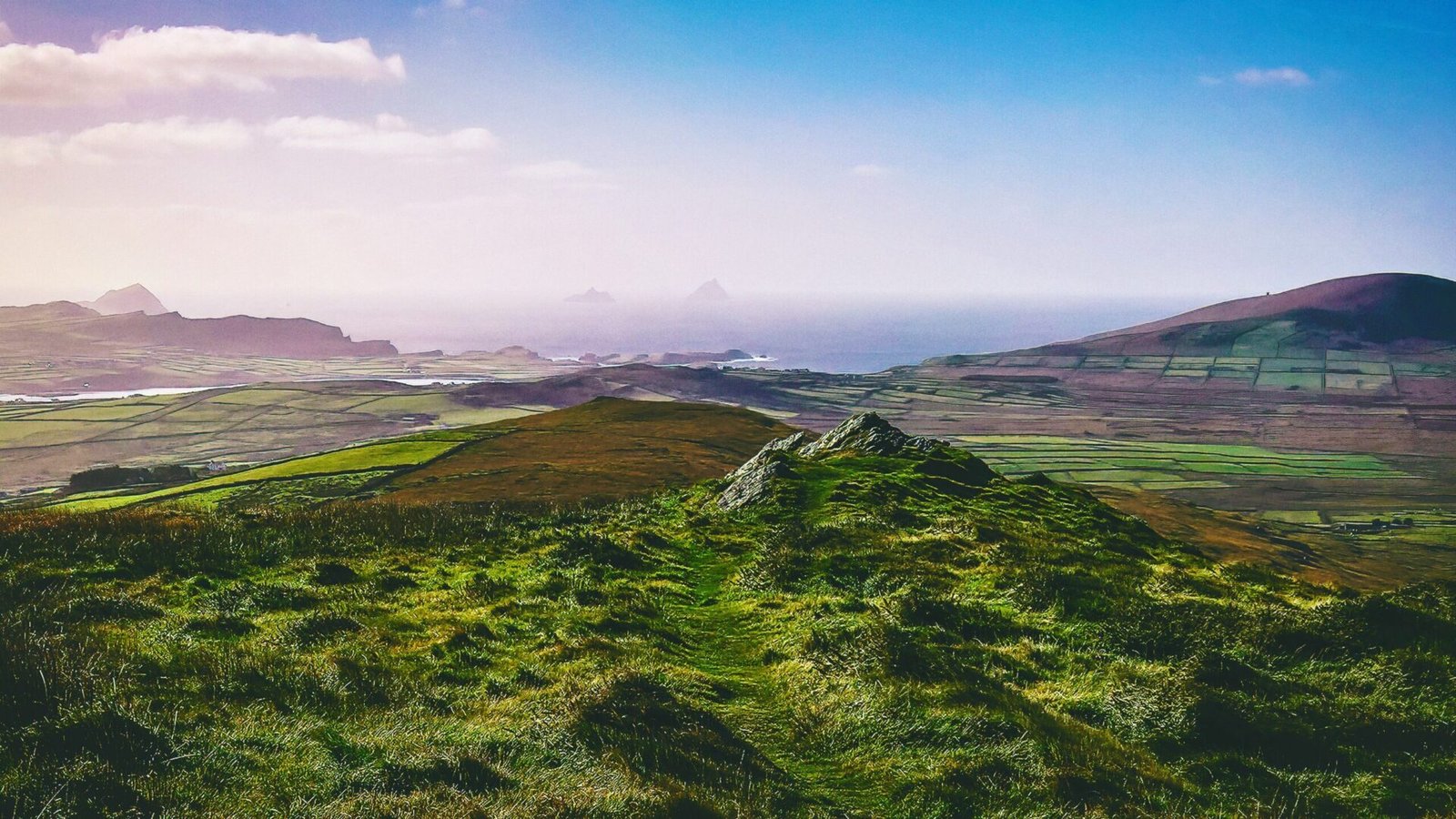
The demographic composition of the first peoples of Ireland cannot be fully understood without considering their interactions with the landscape. The island’s diverse environments—ranging from lush valleys and rugged coastlines to mountainous regions—shaped the ways in which these communities lived, worked, and thrived. The availability of natural resources dictated settlement patterns and influenced social organization.
The Mesolithic hunter-gatherers were adept at navigating and exploiting these varied landscapes, utilizing seasonal migrations to follow food sources. As they transitioned to a more sedentary lifestyle during the Neolithic, the relationship with the land evolved. The introduction of agriculture necessitated a deeper understanding of the environment, leading to practices such as crop rotation and animal husbandry. This shift not only transformed the physical landscape but also fostered a profound connection between the people and the land they inhabited.
Archaeological evidence of land use, including field systems and evidence of early farming techniques, underscores the importance of environmental stewardship among these communities. The way they interacted with their surroundings reflects a deep knowledge of local ecosystems, which was essential for their survival and prosperity.
Mythology and Cultural Identity
The demographic composition of Ireland’s first peoples is intricately linked to the myths and legends that have shaped the island’s cultural identity. The stories of gods, heroes, and ancestral figures found in the rich tapestry of Irish mythology often reflect the values, beliefs, and social structures of these early communities. The interplay between myth and landscape is particularly significant, as many mythological sites correspond to ancient monuments and natural features, reinforcing the connection between people, place, and identity.
The narratives that emerged from these early societies served not only as entertainment but also as a means of preserving history and imparting moral lessons. They provided a framework for understanding the world and one’s place within it, fostering a sense of belonging and continuity that transcended generations. The enduring power of these myths speaks to the resilience of cultural identity, even in the face of changing demographics and external influences.
In essence, the demographic composition of Ireland’s first peoples is a multifaceted narrative that encompasses population dynamics, genetic legacies, archaeological evidence, environmental interactions, and cultural expressions. Each thread contributes to a deeper understanding of the lives and legacies of those who first called Ireland home, illuminating the enduring connections between past and present that continue to shape the island’s identity today.