Cultural Practices in Irish Prehistory: A Window into Rituals, Beliefs, and Artifacts
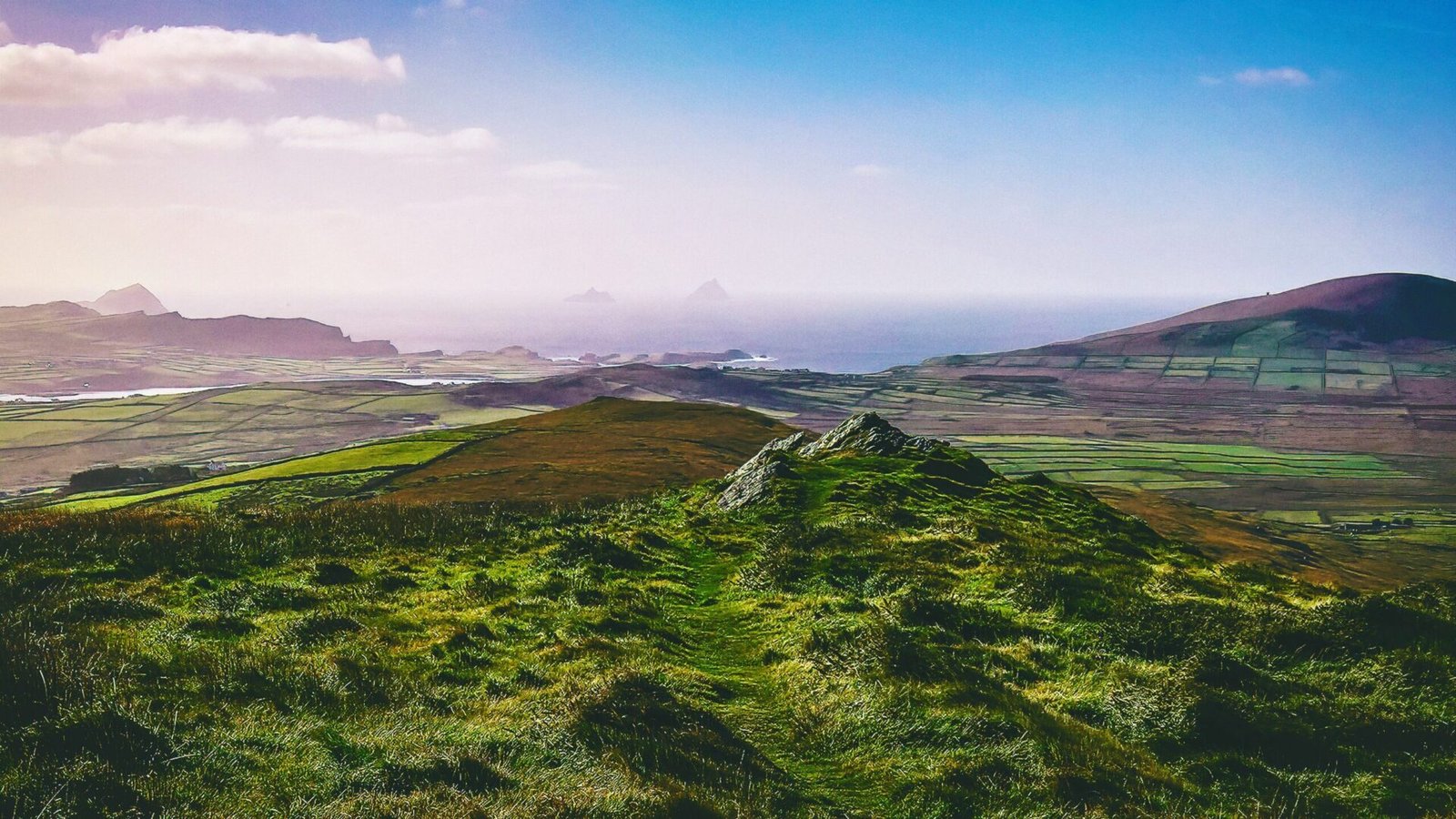
In the verdant landscapes of Ireland, where ancient hills cradle the whispers of the past, the cultural practices of prehistoric societies unfold like the pages of a forgotten tome. These practices, steeped in rituals and beliefs, are not merely remnants of a bygone era; they are the lifeblood of a people whose connection to the land and each other shaped their identity. This exploration of cultural practices during Ireland’s prehistoric period reveals a rich tapestry woven from the threads of spirituality, artistry, and community.
Rituals and Beliefs
At the heart of prehistoric Irish culture lies a complex web of rituals and beliefs that governed daily life and provided a framework for understanding the world. These rituals were often tied to the cycles of nature, reflecting a deep reverence for the land that sustained them. The changing seasons, the fertility of the earth, and the rhythms of life and death were celebrated through various ceremonies, many of which remain shrouded in mystery.
One of the most significant aspects of these rituals was their connection to the spiritual realm. Early Irish societies likely believed in a pantheon of deities, each embodying different aspects of nature and human experience. The worship of these gods and goddesses was expressed through offerings, sacrifices, and communal gatherings, fostering a sense of unity among the people. Sacred sites, such as the Hill of Tara and Newgrange, served as focal points for these rituals, where the alignment of the sun and moon with the landscape created a powerful connection between the celestial and terrestrial realms.
Archaeological evidence suggests that these rituals were not limited to grand ceremonies. Daily practices, such as the lighting of fires and the use of specific herbs, likely played a role in the spiritual lives of individuals and families. The act of cooking, for instance, may have been imbued with ritual significance, transforming mundane tasks into sacred acts that reinforced community bonds and honored the ancestors.
Artifacts and Their Significance
The material culture of prehistoric Ireland offers invaluable insights into the beliefs and practices of its people. Artifacts unearthed from burial sites, settlements, and ritual landscapes reveal a society rich in creativity and symbolism. Among these artifacts, decorated tools and portable art stand out as poignant expressions of identity and spirituality.
Decorated Tools
The tools of prehistoric Ireland were not merely functional; they were often adorned with intricate designs that conveyed meaning beyond their utilitarian purpose. Stone axes, for example, were sometimes engraved with spirals and geometric patterns, suggesting that they held symbolic significance. These decorations may have represented clan identity, social status, or spiritual beliefs, serving as a visual language that communicated the values and aspirations of the community.
The craftsmanship involved in creating these decorated tools speaks to the skills and artistry of prehistoric artisans. The act of embellishing a tool could have been a ritualistic practice in itself, transforming an everyday object into a vessel of cultural expression. This interplay between functionality and artistry highlights the importance of aesthetics in prehistoric life, where beauty and utility were intertwined.
Portable Art
In addition to decorated tools, portable art forms, such as carved stones and figurines, provide a glimpse into the spiritual and social dimensions of prehistoric Irish culture. These small-scale artworks, often depicting human figures, animals, or abstract designs, were likely used in rituals or as personal talismans. Their portability suggests that they held individual significance, allowing people to carry their beliefs and identities with them as they traversed the landscape.
One of the most famous examples of portable art is the “Gowrie Stone,” a carved stone discovered in County Meath. This stone features intricate designs that may represent a blend of mythological and natural themes, hinting at the interconnectedness of the spiritual and physical worlds. Such artifacts challenge us to consider the stories they might tell—stories of ancestors, deities, and the landscapes that shaped their lives.
Community and Social Structure
Cultural practices in prehistoric Ireland were deeply intertwined with the social structure of the time. The organization of communities, often centered around kinship and clan affiliations, influenced how rituals were performed and how artifacts were created and used. Social hierarchies likely existed, with leaders or shamans playing pivotal roles in guiding communal practices and maintaining the spiritual well-being of the group.
Communal gatherings for rituals fostered a sense of belonging and identity among members of the society. These gatherings were not only opportunities for spiritual expression but also for the reinforcement of social bonds. The sharing of stories, songs, and food during these events created a collective memory that transcended individual experiences, linking generations together in a shared narrative.
The landscape itself played a crucial role in shaping community practices. Sacred sites, such as burial mounds and stone circles, served as focal points for social and spiritual activities. The act of gathering at these sites reinforced a sense of place and identity, connecting people to their ancestors and the myths that permeated their existence. The alignment of these sites with celestial events further emphasized the importance of the cosmos in their cultural practices, suggesting a worldview that saw humanity as part of a larger, interconnected universe.
The Role of Mythology
Mythology served as a vital component of cultural practices in prehistoric Ireland, providing a narrative framework through which people understood their world. Myths often explained natural phenomena, human behavior, and the origins of the land itself. They were passed down through generations, evolving over time while retaining core themes that resonated with the community.
The stories of gods, heroes, and mythical creatures were not merely fanciful tales; they were deeply embedded in the cultural consciousness of the people. These narratives informed rituals, influenced artistic expression, and shaped social norms. The act of storytelling itself can be seen as a ritual, a communal practice that reinforced shared values and beliefs.
The landscape of Ireland, with its hills, rivers, and ancient structures, is often imbued with mythological significance. Many geographical features are associated with specific stories or deities, creating a landscape rich in meaning. This connection between myth and place underscores the importance of the environment in shaping cultural practices, as the land became a living canvas upon which the stories of the people were etched.
Conclusion
The cultural practices of prehistoric Ireland reveal a society deeply connected to its landscape, its beliefs, and its community. Through rituals, artifacts, and mythology, these early people forged a rich tapestry of identity that continues to resonate in the modern Irish experience. As we explore these practices, we uncover not just the remnants of a distant past but the enduring spirit of a culture that has shaped its landscape and its people for millennia.