Societal Structure: Social Organization in Irish Prehistory
In the rich tapestry of Irish prehistory, social organization stands as a critical thread woven through the fabric of daily life, myth, and the landscape itself. The intricate relationships among individuals, families, and communities were not only vital for survival but also shaped the cultural narratives that have echoed through the ages. This exploration of social organization delves into kinship and family structures, the roles within the community, and the broader implications of these relationships on the myths and landscapes of ancient Ireland.
Kinship and Family Structures
At the heart of Irish prehistoric society was the concept of kinship, a complex web of relationships that defined social identities and responsibilities. Kinship systems in early Ireland were likely matrilineal or patrilineal, depending on the region and period, with familial ties influencing everything from inheritance to social standing. Extended families, or clans, played a crucial role in community cohesion, providing support and resources in times of need. These familial networks were not merely biological but also encompassed social bonds formed through marriage and alliances.
The importance of kinship is reflected in the myths and legends of ancient Ireland, where family ties often dictate the fate of heroes and gods alike. For instance, the tales of the Tuatha Dé Danann, the mythological race of deities, highlight the significance of lineage and ancestry. The relationships among these divine beings mirror the social structures of their human counterparts, emphasizing the interconnectedness of family and identity.
Family structures also extended beyond immediate kin. The practice of fostering children—sending them to live with other families—was common in ancient Ireland. This not only strengthened alliances between different clans but also facilitated the exchange of knowledge and skills. The fostering system illustrates a broader understanding of family, one that transcended biological connections and fostered a sense of communal responsibility.
Roles Within the Community
Within the fabric of prehistoric Irish society, individuals occupied various roles that were essential for the survival and prosperity of the community. These roles can be broadly categorized into hunters, gatherers, artisans, and leaders, each contributing to the social and economic structure of their environment.
Hunters and Gatherers
The early inhabitants of Ireland were primarily hunter-gatherers, relying on the rich natural resources of the landscape. Hunting was not just a means of sustenance; it was a communal activity that fostered cooperation and reinforced social bonds. Men typically took on the role of hunters, pursuing game such as deer, wild boar, and smaller animals. However, the contributions of women in gathering plant-based foods, nuts, and berries were equally vital. This division of labor highlights a complementary relationship between genders, where both roles were essential for the community’s survival.
The myths surrounding hunting often reflect the spiritual significance of the act. Deities associated with animals, such as the goddess Ériu, were revered, and hunting rituals were likely performed to ensure success. These practices not only reinforced the importance of hunting within the community but also connected the people to the landscape, imbuing it with sacred significance.
Artisans and Craftsmanship
As societies evolved, so too did the roles within them. The emergence of agriculture and settled communities led to the rise of artisans—craftspeople who specialized in creating tools, pottery, and textiles. These artisans played a crucial role in the economy, as their goods facilitated trade and exchange among communities. The craftsmanship of early Irish societies is evident in the intricate designs found on stone tools, pottery, and metalwork, showcasing not only functional skill but also artistic expression.
Artisans often held a respected position within the community, as their work contributed to both daily life and ritual practices. The creation of ceremonial objects, such as the famous gold lunulae or the intricately carved stone crosses, exemplifies how craftsmanship was intertwined with cultural identity. The skills of these artisans were often passed down through generations, reinforcing the importance of lineage and tradition in the social organization of prehistoric Ireland.
Leaders and Decision-Makers
Leadership in prehistoric Irish societies was often informal, emerging from respect and consensus rather than formal authority. Elders or wise individuals within the community likely took on roles as decision-makers, guiding the group in matters of resource allocation, conflict resolution, and ritual practices. These leaders were often chosen based on their experience, wisdom, and ability to navigate the complexities of social relationships.
The role of leaders is also reflected in the myths and legends of ancient Ireland. Figures such as Cú Chulainn and Fionn mac Cumhail embody the qualities of bravery, wisdom, and strength that were highly valued in leaders. Their stories serve not only as entertainment but also as moral lessons, reinforcing the ideals that governed social behavior and community cohesion.
The Interplay of Myth and Landscape
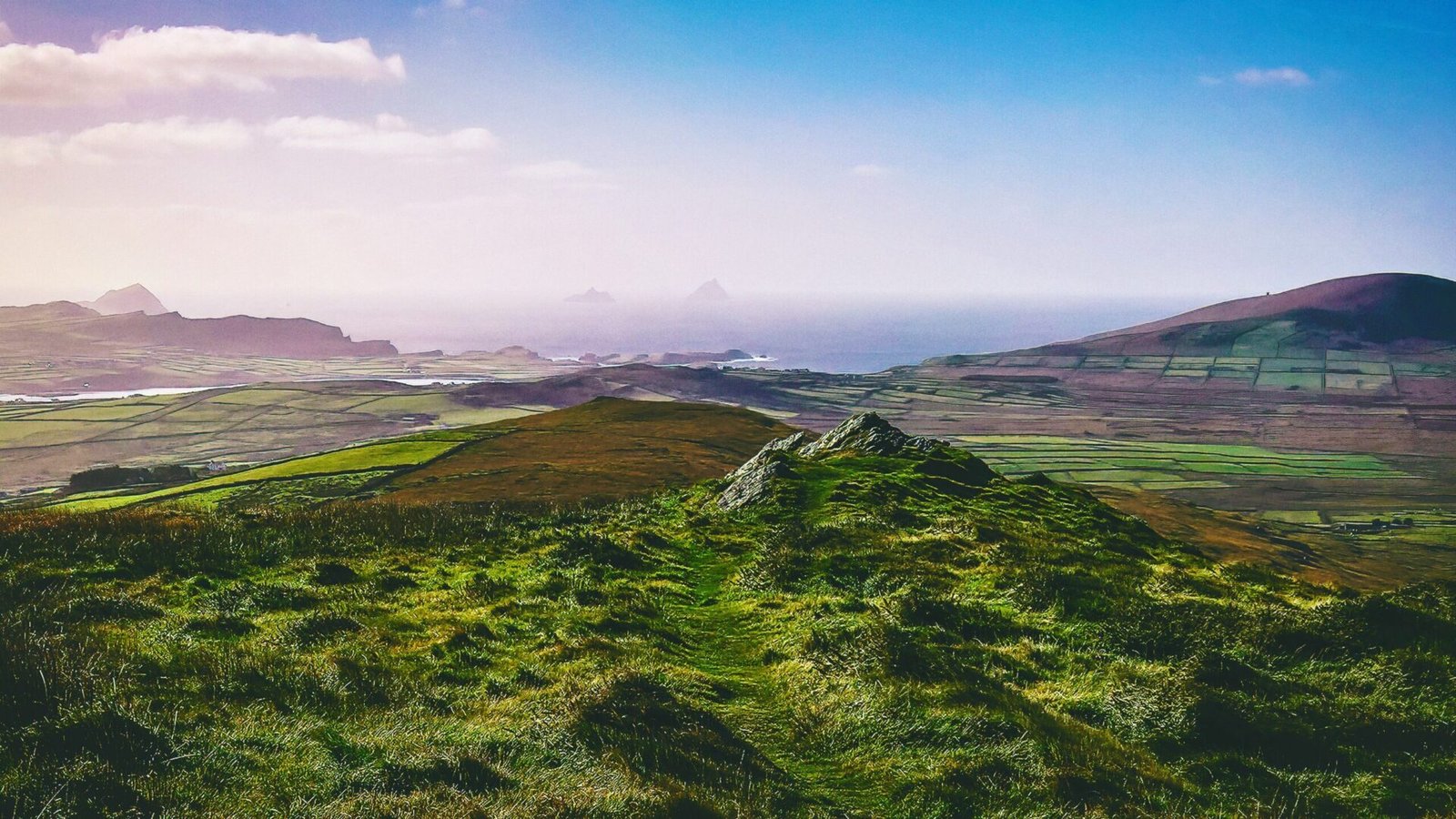
The social organization of prehistoric Ireland was deeply intertwined with the landscape, which served as both a physical and symbolic backdrop for human activity. Sacred sites, such as burial mounds and standing stones, were often associated with specific myths and legends, creating a sense of place that resonated with the community’s identity. These sites were not merely markers of territory; they were imbued with cultural significance, serving as focal points for rituals and gatherings.
The landscape itself influenced social organization, as different regions offered varying resources and challenges. Coastal communities relied on fishing and trade, while those in fertile river valleys focused on agriculture. The adaptation to these diverse environments shaped not only the economic activities of the people but also their social structures and relationships.
Rituals and Celebrations
Rituals and celebrations played a vital role in reinforcing social bonds and cultural identity. Festivals marking the changing seasons, such as Samhain and Bealtaine, provided opportunities for communities to come together, celebrate their shared heritage, and honor their ancestors. These gatherings often included feasting, storytelling, and the performance of rituals that connected the people to their myths and the landscape.
The communal aspect of these celebrations underscores the importance of social organization in fostering a sense of belonging. The shared experience of ritual not only reinforced kinship ties but also created a collective identity that transcended individual families. In this way, social organization in prehistoric Ireland was not merely a structure of roles and relationships; it was a living, breathing entity that shaped the very essence of the community.
In conclusion, the social organization of prehistoric Ireland was a multifaceted system that encompassed kinship, roles within the community, and the interplay of myth and landscape. Understanding these dynamics offers a deeper insight into the lives of the ancient Irish, revealing how their relationships and cultural practices continue to resonate in the myths and landscapes of modern Ireland.