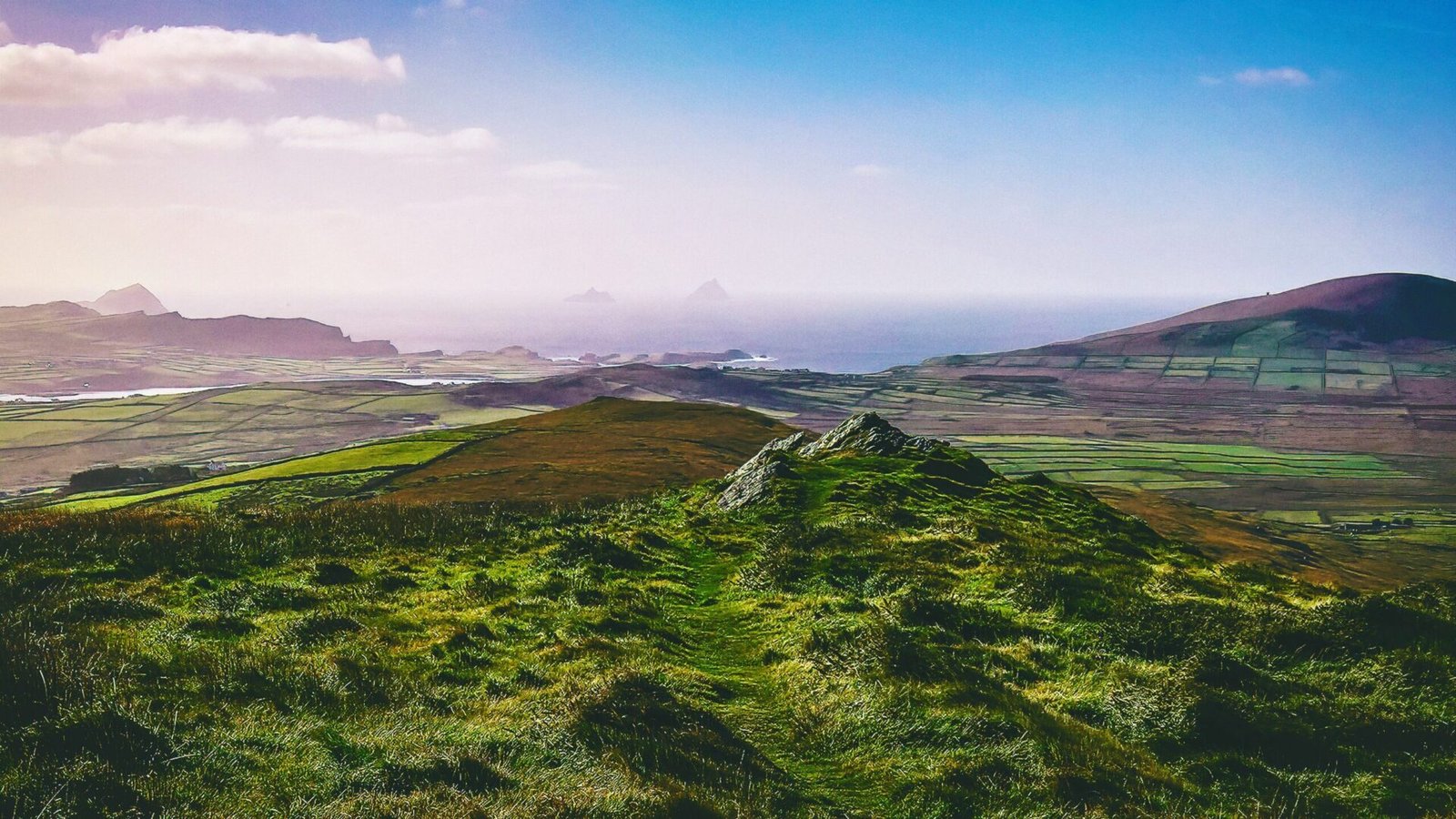
In the lush, rolling hills of Ireland, where the green landscape seems to whisper tales of ancient times, sacred mounds stand as silent sentinels of history. These earthen structures, often intricately designed and strategically placed, are more than mere remnants of the past; they are profound symbols of the relationship between the people, their beliefs, and the land they inhabited. As we delve into the significance of these sacred mounds within the context of Irish prehistory, we uncover layers of meaning that intertwine mythology, spirituality, and the physical landscape.
The Cultural Significance of Sacred Mounds
Sacred mounds, or “tumuli,” served various purposes in ancient Irish society. They were not only burial sites but also places of ritual, community gathering, and connection to the divine. The act of constructing these mounds was a monumental expression of cultural identity, reflecting the values and beliefs of the people who built them. The choice of location often held spiritual significance, with many mounds situated near rivers, hills, or other natural landmarks that were believed to be imbued with sacred qualities.
Burial Practices and Ancestor Worship
One of the primary functions of sacred mounds was as burial sites. The dead were interred within these structures, often accompanied by grave goods that reflected their status and beliefs. This practice underscores the importance of ancestor worship in ancient Irish culture. The mounds became a tangible connection to the past, allowing the living to honor their ancestors and seek their guidance. The reverence for the dead is evident in the elaborate construction of these mounds, which often involved considerable labor and resources, indicating a deep-seated belief in the afterlife and the power of the ancestors.
Ritual and Ceremony
Beyond serving as burial sites, sacred mounds were integral to various rituals and ceremonies. These gatherings often coincided with seasonal changes, agricultural cycles, or significant events in the community. The mounds acted as focal points for these activities, symbolizing the connection between the earthly realm and the divine. Rituals performed at these sites were believed to ensure fertility, prosperity, and protection for the community. The act of gathering at these sacred spaces fostered a sense of unity and shared identity among the people, reinforcing social bonds and cultural continuity.
Mythology and Sacred Mounds
The landscape of Ireland is steeped in mythology, and sacred mounds often feature prominently in these ancient tales. They are frequently associated with deities, legendary heroes, and significant events, serving as markers of the spiritual geography of the land. The intertwining of myth and landscape is a hallmark of Irish culture, where stories of gods and heroes are inextricably linked to specific locations.
The Mounds as Mythological Landscapes
Many sacred mounds are associated with specific myths and legends, creating a rich tapestry of narrative that enhances their significance. For instance, the Hill of Tara, one of the most famous sacred sites in Ireland, is steeped in tales of kings and the Tuatha Dé Danann, the mythical race of gods. The mound is not merely a physical structure; it represents the heart of Ireland’s ancient political and spiritual life. The stories told about these mounds serve to reinforce their importance, transforming them into living symbols of cultural heritage.
The Role of the Sacred in Myth
The myths surrounding sacred mounds often explore themes of creation, transformation, and the interplay between the mortal and divine realms. They serve as allegories for the human experience, illustrating the struggles and triumphs of life. The sacred mounds, therefore, become more than just physical structures; they embody the spiritual essence of the land and its people. They are places where the past and present converge, allowing individuals to connect with their heritage and the larger cosmos.
The Sacred Mounds and the Landscape
The physical placement of sacred mounds within the landscape is a crucial aspect of their significance. These structures were often built in prominent locations, such as hilltops or near water sources, which not only made them visible but also symbolically linked them to the natural world. The relationship between the mounds and their surroundings reflects a deep understanding of the landscape and its spiritual dimensions.
Alignments and Astronomical Significance
Many sacred mounds exhibit alignments with celestial events, such as solstices and equinoxes. This astronomical significance suggests that the builders possessed advanced knowledge of the movements of the sun and moon, integrating this understanding into their spiritual practices. The alignment of mounds with celestial bodies underscores the belief that the cosmos played a vital role in the lives of the people, further enhancing the sacred nature of these structures.
The Landscape as a Living Entity
In ancient Irish culture, the landscape was viewed as a living entity, imbued with spiritual significance. Sacred mounds were often seen as the embodiment of this belief, serving as points of connection between the earth, the sky, and the divine. The act of constructing these mounds was an expression of reverence for the land, acknowledging its role in sustaining life and fostering spiritual growth. The mounds, therefore, are not isolated structures but integral components of a larger, interconnected landscape that reflects the beliefs and values of the people.
Preservation and Legacy of Sacred Mounds
Today, the sacred mounds of Ireland stand as a testament to the rich cultural heritage of the island. However, they face numerous threats from modern development, agricultural practices, and climate change. The preservation of these sites is crucial not only for historical understanding but also for maintaining the cultural identity of contemporary Irish society.
Modern Interpretations and Relevance
As we explore the significance of sacred mounds, it is essential to recognize their relevance in contemporary society. They serve as reminders of the deep connections between people, their history, and the landscape. Modern interpretations of these sites often emphasize the importance of sustainability, community, and spiritual connection to the earth. By fostering a greater understanding of the sacred mounds, we can cultivate a sense of stewardship for the land and its heritage.
Engaging with the Past
The sacred mounds invite us to engage with the past in meaningful ways. They encourage us to reflect on our own beliefs, values, and connections to the landscape. As we walk among these ancient structures, we are reminded of the stories they hold and the people who once gathered around them. In this way, the sacred mounds continue to inspire and inform our understanding of the world, bridging the gap between ancient and modern, myth and reality.
In the heart of Ireland’s landscape, the sacred mounds stand as enduring symbols of a rich cultural legacy, inviting us to explore the intricate relationships between history, mythology, and the natural world. Through their preservation and appreciation, we honor the past while nurturing a deeper connection to the land we inhabit today.