Connection to Irish Mythology
Irish mythology is a rich tapestry woven with stories, symbols, and landscapes that resonate deeply with the history and culture of Ireland. As we delve into the connections between Irish prehistory and its myths, we uncover layers of meaning that reveal how ancient peoples understood their world. This exploration invites us to consider the tools they used, the shelters they built, and the landscapes they inhabited, all of which are imbued with mythological significance.
Links Between Tools and Mythological Figures
In the context of Irish mythology, tools are not merely functional objects; they are imbued with symbolic meaning that connects them to the divine and the heroic. The legendary figures of Irish lore often wield specific tools that reflect their character and powers. For instance, the spear of Lugh, the god of skill and craftsmanship, symbolizes not only martial prowess but also the importance of craftsmanship in Irish society. Lugh’s spear, known for its deadly precision, embodies the idea that tools are extensions of the self, allowing individuals to manifest their inherent abilities.
Similarly, the sword of Nuada, the king of the Tuatha Dé Danann, serves as a powerful emblem of sovereignty and rightful kingship. Nuada’s sword, known as the “Sword of Light,” is said to have the power to ensure victory in battle, reinforcing the notion that tools can be sacred objects that carry the weight of destiny. These mythological connections highlight how tools were not just practical implements but also conduits of deeper cultural values and beliefs.
Moreover, the act of crafting tools can be seen as a form of creation, paralleling the mythological narratives of creation found in Irish lore. Just as the gods shaped the world and its inhabitants, so too did humans shape their environment through the creation of tools. This interplay between the divine and the mundane underscores the belief that human craftsmanship is a reflection of divine inspiration.
Symbolic Meanings of Shelters in Myths
Shelters, too, hold significant symbolic meaning within Irish mythology. The structures that ancient peoples built—be they simple dwellings, elaborate stone forts, or sacred sites—are often infused with mythological narratives that reflect the relationship between humanity and the divine. For instance, the concept of the “otherworld” in Irish mythology is intimately connected to specific landscapes and shelters. The sídhe, or fairy mounds, are seen as gateways to the otherworld, places where the veil between the mortal realm and the realm of the gods is thin.
These mounds, often associated with burial sites, serve as reminders of the cyclical nature of life and death. In myths, heroes often journey to the otherworld, seeking wisdom or redemption. The act of entering a sídhe can be interpreted as a metaphor for transformation, where the physical shelter becomes a portal to spiritual growth and understanding. This connection between physical spaces and mythological narratives illustrates how the landscape itself is a living entity, steeped in stories that shape cultural identity.
The symbolism of shelters extends beyond the physical realm into the realm of community and belonging. In tales of the Fianna, the legendary band of warriors led by Fionn mac Cumhaill, the concept of the communal shelter is paramount. The fireside gatherings of the Fianna serve as a backdrop for storytelling, camaraderie, and the transmission of cultural knowledge. These shelters become sacred spaces where the past is honored, and the future is envisioned, reinforcing the idea that community and myth are inextricably linked.
The Landscape as a Canvas for Myth
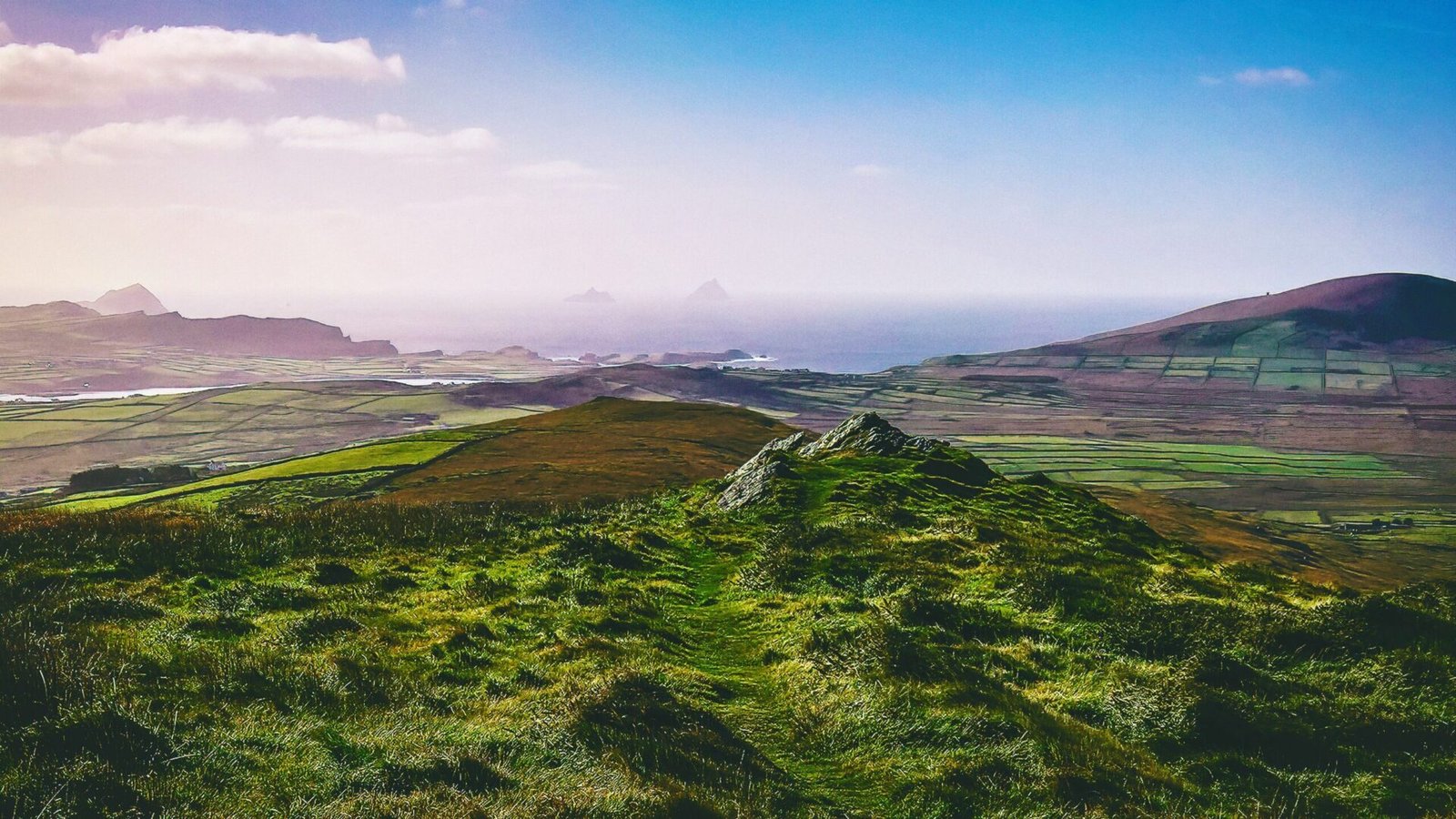
The Irish landscape itself is a vital participant in the mythological narrative. Mountains, rivers, and stones are not merely geographical features; they are imbued with stories and personalities that reflect the beliefs and values of the people. For example, the River Boyne is associated with the goddess Brigid, a figure of fertility, healing, and poetry. The river’s flowing waters are seen as a source of life and inspiration, embodying the nurturing aspects of the goddess.
Mountains like Slieve League and Croagh Patrick are steeped in mythological significance, often linked to tales of gods and heroes. Croagh Patrick, known as the “Reek,” is famously associated with St. Patrick, but its roots trace back to earlier pagan traditions. The mountain is said to be a site of pilgrimage, where the landscape itself becomes a participant in the spiritual journey of the individual. This interplay between the landscape and myth reflects a deep-seated belief that the physical world is alive with stories waiting to be uncovered.
Mythological Animals and Their Symbolism
Animals in Irish mythology are often depicted as powerful symbols, embodying traits that resonate with human experiences. The deer, for instance, is frequently associated with the Otherworld, representing grace, beauty, and the fleeting nature of life. In stories, encounters with otherworldly deer often signify a journey into the mystical, where the boundaries between reality and myth blur. The transformation of characters into animals also serves as a narrative device, illustrating themes of metamorphosis and the interconnectedness of all living beings.
The salmon, particularly the Salmon of Knowledge, is another potent symbol in Irish myth. This fish is said to possess all the knowledge of the world, and those who consume it gain profound wisdom. The journey to catch the salmon reflects the quest for knowledge and enlightenment, underscoring the belief that wisdom is a treasure worth pursuing. This connection between animals and myth reveals how ancient peoples viewed the natural world as a source of inspiration and guidance.
The Role of Myth in Cultural Identity
Ultimately, the connections between Irish prehistory and mythology serve as a foundation for cultural identity. Myths are not static tales; they evolve and adapt, reflecting the changing values and beliefs of the people. As communities faced challenges, their myths provided a framework for understanding their place in the world. The stories of heroes, gods, and mythical creatures offered solace and inspiration, reinforcing the idea that individuals are part of a larger narrative that transcends time.
In contemporary Ireland, these ancient myths continue to resonate, influencing literature, art, and cultural practices. Festivals celebrating mythological figures and events serve as a reminder of the enduring power of these stories to shape identity and foster a sense of belonging. The landscapes that inspired these myths remain sacred spaces, inviting exploration and reflection.
As we navigate the intricate connections between tools, shelters, landscapes, and mythological figures, we uncover a profound understanding of how ancient peoples engaged with their world. The myths of Ireland are not just stories of the past; they are living narratives that continue to shape the cultural landscape, reminding us of the enduring power of myth to connect us to our history, our environment, and each other.