Cultural Legacy: Connection to Irish Mythology
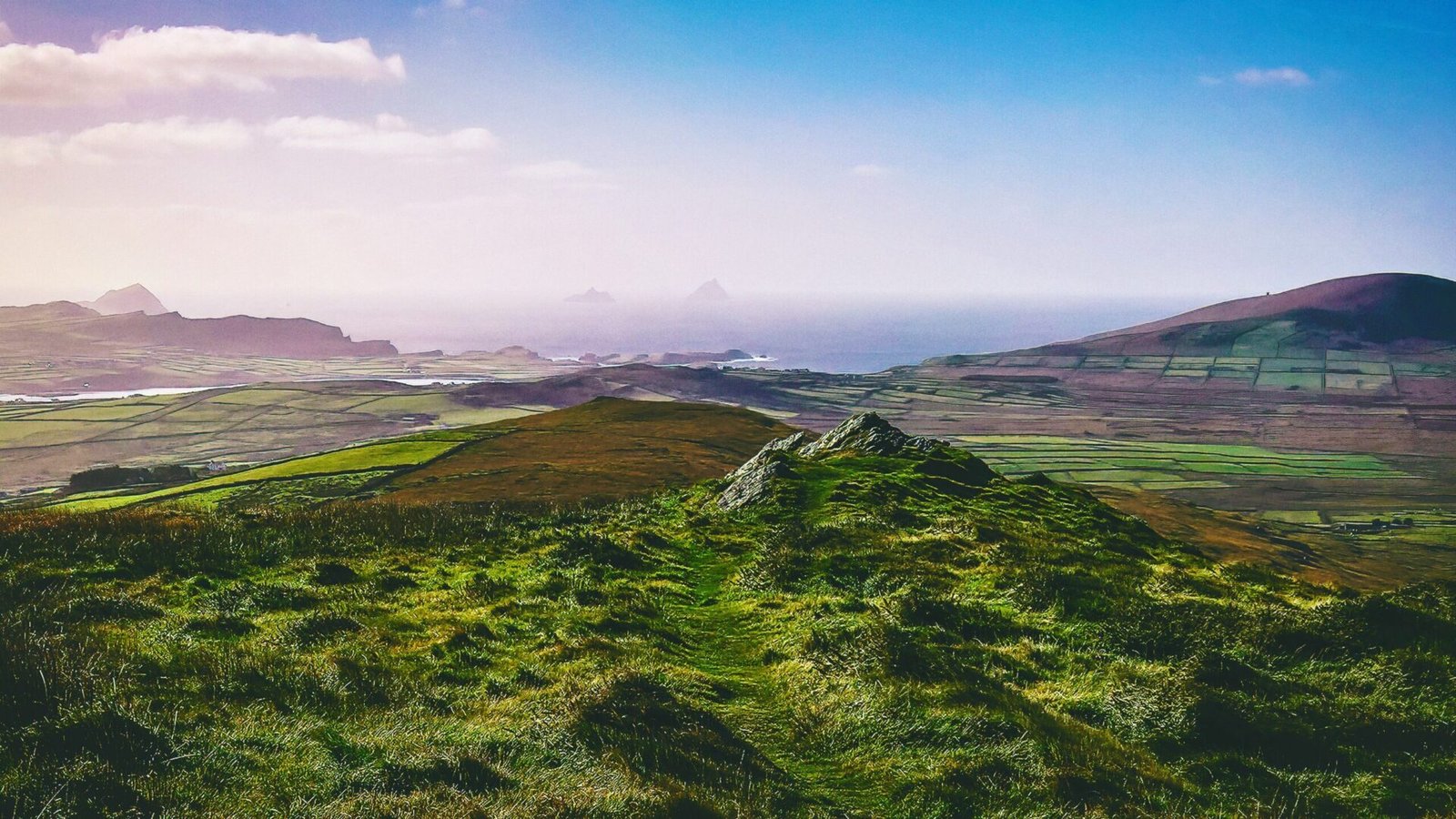
In the verdant landscapes of Ireland, where the rolling hills meet the rugged coastline, lies a tapestry woven from threads of history, myth, and cultural legacy. This connection to the past is not merely a relic of ancient times; it is a living narrative that continues to shape the identity of the Irish people. The interplay between prehistory and mythology reveals a profound relationship, one that speaks to the continuity and transformation of traditions that have endured through millennia.
Influence of Mesolithic Peoples on Later Irish Cultures
To understand the cultural legacy of Ireland, we must first journey back to the Mesolithic period, roughly 8000 to 4000 BCE. During this time, small groups of hunter-gatherers roamed the lush landscapes, leaving behind a rich archaeological record that hints at their way of life. These early inhabitants were not merely surviving; they were laying the groundwork for future societies. Their connection to the land, evident in their use of natural resources for sustenance and shelter, established a profound relationship that would resonate through generations.
The Mesolithic peoples practiced a form of animism, believing that spirits inhabited natural elements. This worldview laid the foundation for later mythological narratives, where the land itself became a character in the stories of gods and heroes. The reverence for nature observed in Mesolithic culture can be seen echoed in the tales of the Tuatha Dé Danann, the mythological race of deities who were said to have shaped the Irish landscape. The hills, rivers, and stones of Ireland are not just physical entities; they are imbued with stories and significance that connect the past to the present.
Continuity and Transformation of Traditions
As Ireland transitioned from the Mesolithic to the Neolithic period, significant changes occurred. The introduction of agriculture marked a pivotal shift in lifestyle, leading to the establishment of permanent settlements. This transformation did not erase the cultural legacy of the Mesolithic peoples; rather, it built upon it. The continuity of certain practices, such as burial rites and the veneration of sacred sites, reflects a deep-rooted connection to the past.
The construction of megalithic tombs, such as Newgrange and Knowth, exemplifies this continuity. These structures, aligned with celestial events, suggest a sophisticated understanding of astronomy and a desire to connect with the cosmos. The rituals performed at these sites likely drew on earlier animistic beliefs, blending the reverence for nature with new agricultural practices. This synthesis of old and new is a hallmark of Irish cultural evolution, where traditions are not discarded but rather transformed, creating a rich tapestry of beliefs and practices.
The Role of Mythology in Cultural Identity
Irish mythology serves as a vital conduit for understanding the cultural legacy of the island. The myths and legends that have been passed down through generations are not merely stories; they are reflections of the values, beliefs, and experiences of the Irish people. The tales of Cú Chulainn, the hero of the Ulster Cycle, and the adventures of the legendary Fionn mac Cumhaill are steeped in themes of bravery, loyalty, and the struggle against adversity. These narratives resonate deeply with the Irish psyche, fostering a sense of identity and belonging.
Moreover, mythology has the power to encapsulate the complexities of human experience. The stories of the Otherworld, where the boundaries between life and death blur, speak to the universal themes of mortality and the quest for meaning. The concept of the “thin places,” where the veil between the physical and spiritual realms is believed to be particularly fragile, reflects the Irish understanding of existence as a continuum rather than a series of discrete events. This perspective is rooted in the ancient beliefs of the Mesolithic peoples and has evolved, yet remains a cornerstone of Irish cultural identity.
Sacred Landscapes and Their Mythological Significance
The Irish landscape itself is a canvas upon which myths are painted. From the majestic peaks of the Mourne Mountains to the mystical waters of Lough Neagh, each geographical feature is imbued with stories that connect the land to its inhabitants. The mountains, rivers, and stones are not just backdrops; they are integral to the narratives that define Irish culture.
Take, for example, the Hill of Tara, a site of immense historical and mythological significance. Once the seat of the High Kings of Ireland, Tara is steeped in legends of sovereignty and divine right. The stories surrounding this sacred site illustrate the intertwining of politics and mythology, where the legitimacy of rulers was often linked to their connection to the divine. The rituals performed at Tara, echoing the practices of earlier cultures, demonstrate how the landscape served as a stage for the enactment of cultural values and beliefs.
The concept of the “sacred landscape” is not unique to Ireland; however, the depth of its integration into Irish mythology is profound. Each hill, stone circle, and ancient fort carries with it a narrative that enriches the cultural legacy of the island. The act of storytelling itself becomes a means of preserving history, as the oral tradition ensures that the voices of the past continue to resonate in the present.
The Interplay of Language and Myth
Language, too, plays a crucial role in the preservation of cultural legacy. The Irish language, with its lyrical quality and rich vocabulary, is steeped in the mythology of the land. Many place names and terms are derived from ancient stories, linking the physical landscape to the narratives that have shaped Irish identity. The very words used to describe the land carry echoes of the past, reminding us that language is a living artifact of cultural heritage.
The revival of the Irish language in contemporary society is a testament to the enduring power of cultural legacy. As people seek to reconnect with their roots, the language serves as a bridge to the past, allowing for a deeper understanding of the myths and traditions that have shaped the Irish experience. This resurgence is not merely about preserving a language; it is about reclaiming a cultural identity that has been forged through centuries of continuity and transformation.
Conclusion
The cultural legacy of Ireland is a dynamic interplay of history, mythology, and landscape. From the Mesolithic peoples who first inhabited the land to the vibrant narratives that continue to be woven into the fabric of Irish identity, this legacy is a testament to the resilience and adaptability of the human spirit. The stories, traditions, and beliefs that have emerged from this rich tapestry are not static; they evolve, reflecting the ongoing dialogue between the past and the present. In this way, the connection to Irish mythology is not just a glimpse into history; it is a living, breathing testament to the enduring power of cultural legacy.