Tales of the Tuatha Dé Danann
Introduction to the Tuatha Dé Danann
The Tuatha Dé Danann, often translated as “the People of the Goddess Danu,” are a central figure in Irish mythology, embodying the rich tapestry of pre-Christian belief systems that have shaped Ireland’s cultural landscape. These supernatural beings, said to have descended from the heavens, are not merely characters in ancient tales; they represent the very essence of Ireland’s connection to its past, its land, and its people. Their stories are woven into the fabric of the Irish landscape, echoing through the hills, rivers, and ancient sites that dot the country.
The Origins of the Tuatha Dé Danann
According to the Lebor Gabála Érenn (The Book of Invasions), a pseudo-historical text that chronicles the mythical history of Ireland, the Tuatha Dé Danann arrived in Ireland from the mythical land of Tír na nÓg, a realm of eternal youth and beauty. They are said to have come in a cloud of mist, bringing with them an array of skills and knowledge that would forever alter the Irish landscape. The Tuatha Dé Danann are often depicted as skilled artisans, warriors, and magicians, possessing profound wisdom and an intimate connection to the natural world.
The goddess Danu, their namesake, is often regarded as a mother figure and a source of fertility, embodying the earth’s nurturing qualities. The reverence for Danu and her descendants highlights the ancient Irish belief in the sacredness of nature and the interconnectedness of all living things.
The Four Great Treasures
One of the most fascinating aspects of the Tuatha Dé Danann is their possession of the Four Great Treasures, each symbolizing different aspects of power and knowledge. These treasures are:
The Sword of Light: This sword belonged to the warrior Lugh and was said to be unbeatable in battle. It symbolizes the power of justice and the importance of rightful leadership.
The Spear of Lugh: Also belonging to Lugh, this spear was said to never miss its target. It represents the might and valor of the Tuatha Dé Danann in warfare.
The Cauldron of Plenty: This cauldron, owned by the goddess Danu, was said to provide endless nourishment. It symbolizes abundance and the sustenance of life, reflecting the deep connection between the Tuatha Dé Danann and the fertility of the land.
The Stone of Destiny: This stone, known as Lia Fáil, was believed to roar when the rightful king of Ireland stood upon it. It symbolizes sovereignty and the legitimacy of rule, emphasizing the importance of rightful governance in ancient Irish society.
These treasures not only serve as powerful artifacts within the myths but also act as metaphors for the values and ideals that were cherished by the ancient Irish.
Key Figures of the Tuatha Dé Danann
The tales of the Tuatha Dé Danann are rich with memorable characters, each contributing to the overarching narrative of their existence.
Lugh Lámhfada
Lugh, often referred to as Lugh of the Long Arm, is a central figure in many myths. He is celebrated for his multifaceted talents, excelling as a warrior, craftsman, and king. Lugh’s story is one of triumph and tragedy, as he leads the Tuatha Dé Danann to victory against the Fomorians, a race of monstrous beings that threatened their existence. His character embodies the ideal of the hero, showcasing bravery, intelligence, and a deep sense of duty to his people.
Dagda
The Dagda, often called the “Good God,” is another prominent figure among the Tuatha Dé Danann. He is depicted as a large, jovial figure with a magical club that could kill and revive at will. The Dagda is associated with fertility, agriculture, and the cycle of life and death, making him a vital deity in the pantheon. His stories often highlight the importance of balance and harmony, reflecting the ancient Irish understanding of the interconnectedness of all things.
Brigid
Brigid, the goddess of fertility, healing, and poetry, is perhaps one of the most beloved figures in Irish mythology. She is often associated with the coming of spring and the renewal of life. Brigid’s tales emphasize the importance of creativity and the nurturing aspects of life, making her a symbol of inspiration and hope. Her legacy continues to resonate in modern Ireland, where she is celebrated in various forms, including the Christian saint of the same name.
The Battles of the Tuatha Dé Danann
The epic battles fought by the Tuatha Dé Danann are central to their mythology and serve as allegories for the struggles between good and evil, light and darkness. The most notable of these is the Second Battle of Mag Tuired, where the Tuatha Dé Danann confront the Fomorians. This battle is not merely a physical confrontation but a clash of ideologies, representing the struggle for dominance over the land and its resources.
The defeat of the Fomorians symbolizes the triumph of order over chaos, a theme that resonates deeply within the Irish psyche. The aftermath of the battle leads to the establishment of the Tuatha Dé Danann as the ruling class of Ireland, yet their reign is marked by a deep respect for the land and its people, showcasing their role as guardians rather than conquerors.
The Legacy of the Tuatha Dé Danann
The stories of the Tuatha Dé Danann have left an indelible mark on Irish culture, influencing literature, art, and folklore for centuries. Their myths serve as a bridge connecting the ancient past with contemporary Ireland, reminding us of the importance of storytelling in preserving cultural identity.
The Tuatha Dé Danann are often viewed as symbols of resilience and adaptability, embodying the spirit of a people who have weathered the storms of history. Their tales remind us of the power of myth to shape our understanding of the world and our place within it, offering insights into the values and beliefs that have guided generations.
Connection to the Landscape
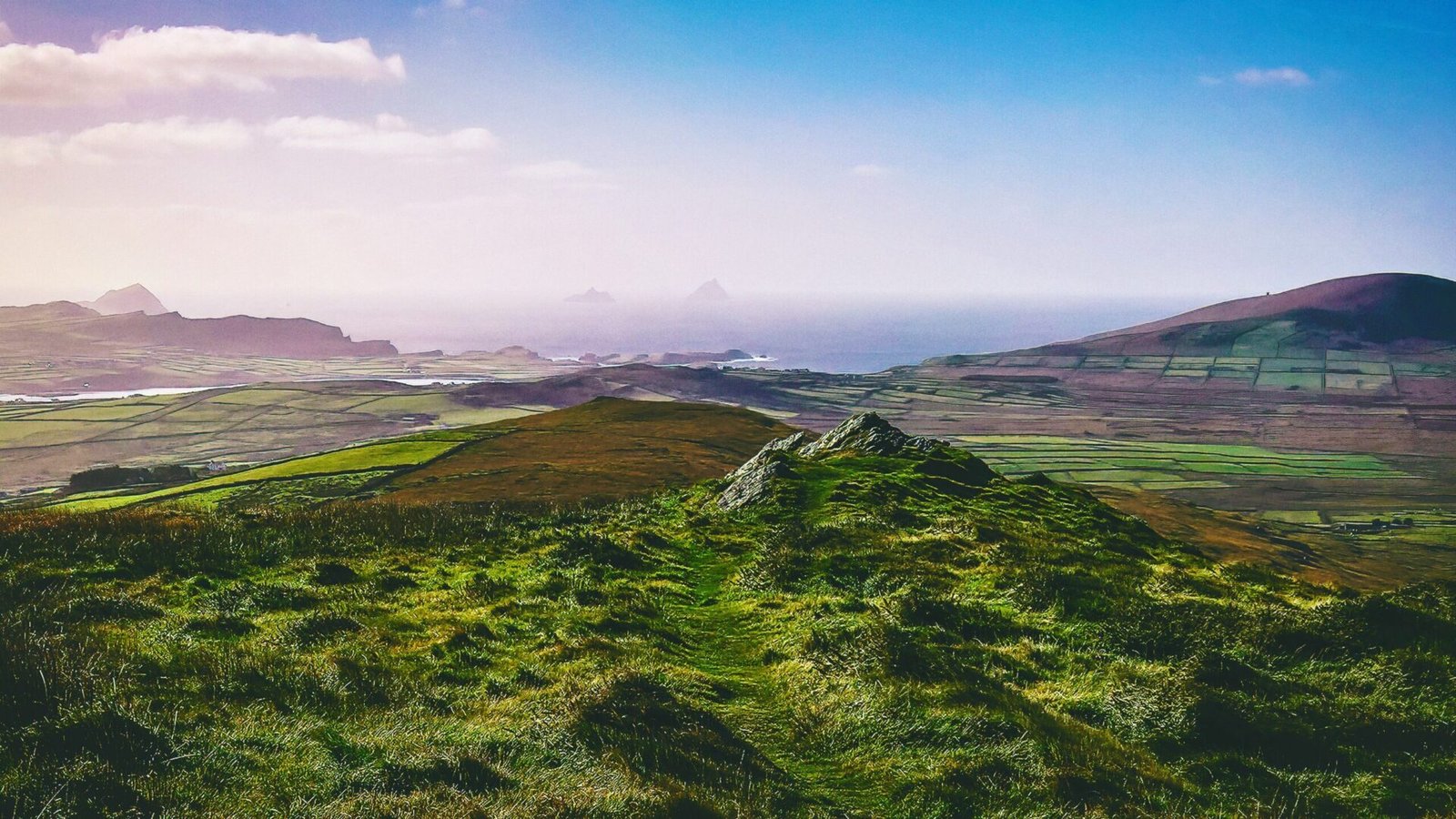
The Tuatha Dé Danann are intrinsically linked to the Irish landscape, with many sites across the country believed to be associated with their legends. From the ancient burial mounds of Newgrange to the mystical hills of Tara, these locations serve as physical manifestations of the myths, inviting exploration and contemplation.
Each site carries its own story, enriching the landscape with layers of meaning that resonate with both locals and visitors alike. The connection between the Tuatha Dé Danann and the land underscores the ancient belief that the earth is alive with history, and that every stone, stream, and hill holds a story waiting to be told.
As we delve into the tales of the Tuatha Dé Danann, we uncover not only the myths themselves but also the profound relationship between these ancient beings and the land they inhabited. Their stories continue to inspire and captivate, reminding us of the enduring power of myth and the deep roots of Irish culture.