Landscape and Climate: The Environmental Context of Irish Prehistory
The interplay between landscape and climate has been a defining factor in the development of human societies throughout history. In the context of Ireland, particularly during the Mesolithic period (approximately 8000 to 4000 BCE), this relationship becomes even more pronounced. The ancient Irish landscape was not merely a backdrop for human activity; it was a dynamic entity that shaped the lives, cultures, and myths of its inhabitants. This section explores the intricate tapestry of Ireland’s landscape during the Mesolithic, the climatic shifts that influenced settlement patterns, and the broader implications for understanding the connection between environment and mythology in Irish prehistory.
Description of Ireland’s Landscape during the Mesolithic
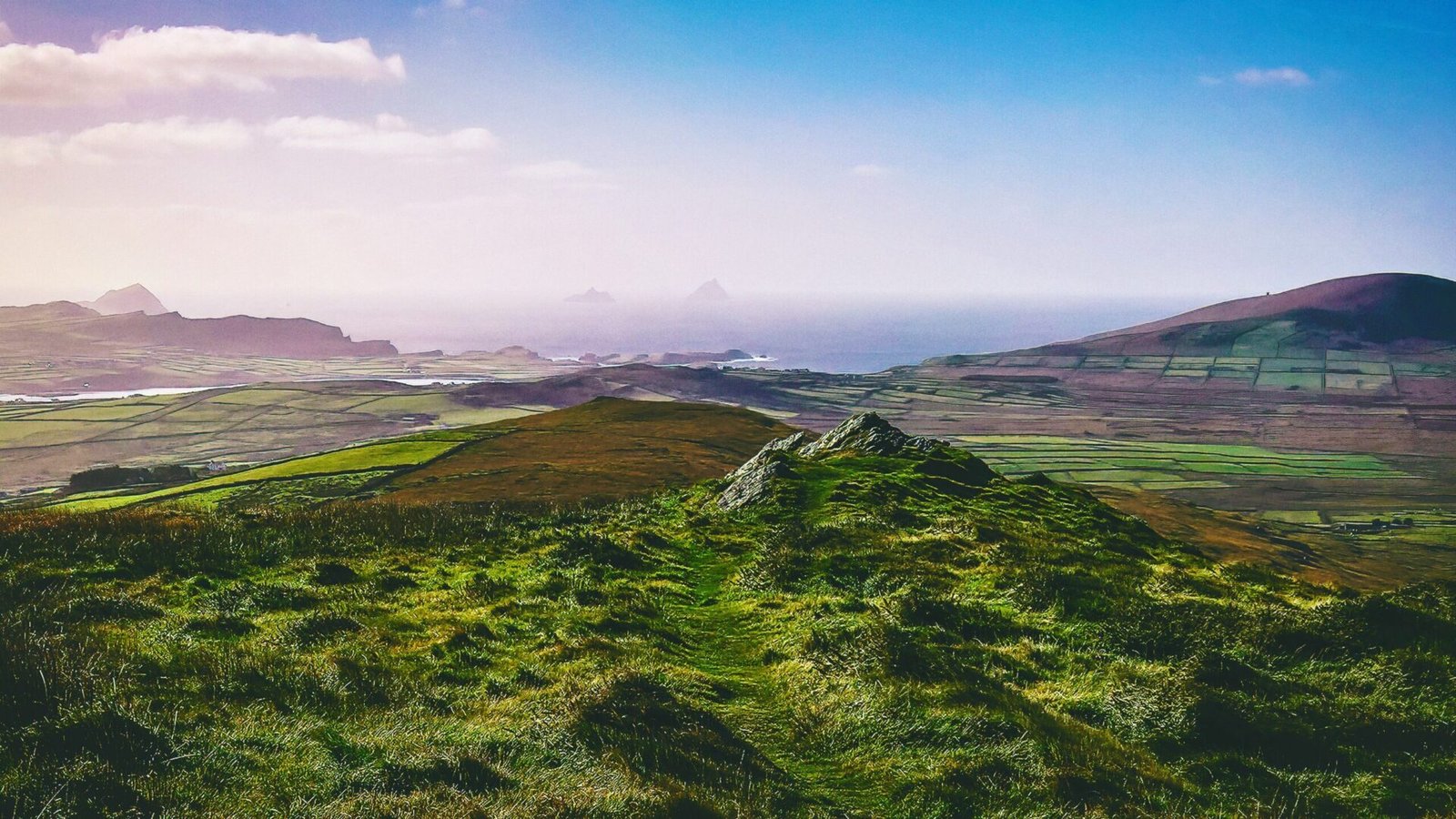
During the Mesolithic, Ireland was a land of rich diversity, characterized by a variety of ecosystems that supported a wide range of flora and fauna. The landscape was predominantly shaped by the last Ice Age, which had receded only a few thousand years earlier, leaving behind a mosaic of environments. The melting glaciers created a patchwork of lakes, rivers, and wetlands, while the rising sea levels transformed the coastal areas. This period saw the emergence of dense woodlands, primarily composed of oak, birch, and hazel, which provided both resources and shelter for the early inhabitants.
The Mesolithic people were primarily hunter-gatherers, and their survival was intricately linked to the seasonal rhythms of the landscape. They roamed the forests, rivers, and coasts, foraging for nuts, berries, and edible plants, while also hunting deer, wild boar, and smaller game. The abundance of natural resources allowed for a semi-nomadic lifestyle, with groups moving in accordance with the availability of food and seasonal changes. The landscape was not only a source of sustenance but also a canvas upon which the early Irish began to inscribe their cultural identities.
Climate Changes and Their Impact on Settlement Patterns
The Mesolithic period in Ireland was marked by significant climatic changes that had profound effects on the landscape and, consequently, on human settlement patterns. As the climate warmed following the last Ice Age, the landscape transformed dramatically. The initial post-glacial period was characterized by a cooler, wetter climate, which gradually evolved into a warmer and more temperate environment. This shift facilitated the growth of lush forests and diverse ecosystems, creating an ideal habitat for both flora and fauna.
However, these climatic transitions were not uniform. The early Mesolithic experienced fluctuations in temperature and precipitation, which influenced the availability of resources. For instance, during periods of cooler temperatures, certain areas may have become less hospitable, prompting groups to migrate to more favorable regions. Conversely, warmer periods allowed for greater population density in resource-rich areas, leading to more permanent settlements.
Archaeological evidence suggests that Mesolithic communities began to establish more stable bases near rivers and lakes, where fish and other aquatic resources were abundant. Sites such as Mount Sandel in County Londonderry and Lough Boora in County Offaly reveal a pattern of habitation that aligns with the availability of water and fertile land. These settlements were often strategically located to exploit the diverse resources offered by the surrounding landscape, reflecting a deep understanding of the environment.
The Role of Waterways in Mesolithic Life
Waterways were central to the Mesolithic way of life in Ireland. Rivers and lakes not only provided essential resources for sustenance but also served as vital transportation routes. The interconnectedness of these waterways facilitated trade and communication between different groups, fostering a sense of community and shared cultural practices. The presence of fish, shellfish, and other aquatic life contributed to a diet rich in protein, while the surrounding wetlands offered a bounty of edible plants.
The strategic use of waterways also had implications for social organization. As communities congregated around these resource-rich areas, social structures began to evolve. The need for cooperation in fishing, gathering, and hunting likely led to the development of social bonds and shared cultural practices, which would later manifest in the myths and stories that permeated Irish culture. The rivers and lakes became not just physical features of the landscape but also symbolic elements in the narratives that shaped the identity of the people.
The Influence of Landscape on Mythology
The relationship between landscape and mythology in Ireland is profound and complex. The Mesolithic people, deeply attuned to their environment, likely imbued natural features with spiritual significance. Mountains, rivers, and forests were not merely physical entities; they were living parts of a mythological framework that informed the beliefs and practices of the early Irish.
For instance, many Irish myths feature rivers as sacred entities, often personified as goddesses or spirits. This connection between landscape and spirituality can be traced back to the Mesolithic period when the natural world was perceived as a source of both sustenance and divine influence. The reverence for water, in particular, is evident in the numerous sacred wells and rivers that dot the Irish landscape, many of which are still venerated today.
The stories of the Tuatha Dé Danann, the mythical race of deities in Irish mythology, often reflect the characteristics of the landscape. The hills and mountains associated with these figures are not arbitrary; they are deeply rooted in the experiences and observations of the Mesolithic people. The myths served as a way to explain the world around them, providing a narrative framework that connected the physical landscape with the spiritual realm.
The Impact of Later Climatic Changes
As the Mesolithic period transitioned into the Neolithic (around 4000 BCE), Ireland experienced further climatic changes that would continue to shape human activity and settlement patterns. The warming climate led to the expansion of agriculture, fundamentally altering the relationship between people and the landscape. Forests were cleared for farming, and the once-nomadic hunter-gatherers began to establish more permanent settlements.
These changes had significant implications for the cultural landscape of Ireland. The introduction of agriculture brought about new social structures, technologies, and ways of life, which would eventually give rise to the rich tapestry of Irish history and mythology. The myths that emerged during this period would reflect the evolving relationship between humans and their environment, echoing the ancient connections forged during the Mesolithic.
In conclusion, the landscape and climate of Ireland during the Mesolithic period were not merely backdrops to human activity; they were active participants in shaping the lives, cultures, and myths of the early Irish. The dynamic interplay between environment and human experience laid the groundwork for the rich tapestry of Irish prehistory, revealing a complex relationship that continues to resonate in the mythology and cultural identity of Ireland today.