Definition and Time Frame of the Mesolithic Hunter-Gatherer Era
The Mesolithic period, often referred to as the Middle Stone Age, represents a fascinating chapter in human history, particularly in the context of Ireland’s prehistory. This era, which bridges the gap between the Paleolithic and Neolithic periods, is characterized by the transition from a nomadic lifestyle of hunter-gatherers to more settled agricultural practices. To understand the Mesolithic era, we must first define its parameters and then explore the time frame that encapsulates this transformative period.
Defining the Mesolithic Era
The term “Mesolithic” is derived from the Greek words “meso,” meaning middle, and “lithos,” meaning stone. Thus, it literally translates to the “Middle Stone Age.” This period is marked by the development of microliths—small, flint tools that were often used as components in composite tools like arrows and harpoons. These innovations indicate a significant advancement in tool-making techniques, reflecting the adaptability and ingenuity of Mesolithic peoples.
In Ireland, the Mesolithic era is defined not only by the tools that were used but also by the lifestyle of its people. Hunter-gatherers roamed the landscape, exploiting a variety of resources, from fish in the rivers and seas to game in the forests. Their existence was deeply intertwined with the natural world, and the landscapes they inhabited played a crucial role in shaping their culture, belief systems, and social structures.
Time Frame of the Mesolithic Era
The Mesolithic period in Ireland is generally considered to span from around 8000 BCE to approximately 4000 BCE. This time frame, however, is not universally agreed upon and can vary depending on regional archaeological findings and interpretations. The beginning of the Mesolithic is often marked by the end of the last Ice Age, which led to significant environmental changes. As the glaciers receded, new ecosystems emerged, providing a wealth of resources for human populations.
Early Mesolithic (8000 BCE – 6000 BCE)
The early Mesolithic period is characterized by the establishment of small, mobile groups of hunter-gatherers. These communities were adept at exploiting the rich flora and fauna that emerged in post-glacial Ireland. Evidence from archaeological sites, such as Mount Sandel in County Londonderry, reveals that these early inhabitants relied heavily on fishing and foraging, utilizing the abundant resources of rivers, lakes, and coastal areas.
During this time, the landscape of Ireland was undergoing significant changes. As forests began to grow and the climate warmed, the environment became increasingly hospitable to diverse species of plants and animals. The presence of large mammals, such as deer, provided essential food sources, while the proliferation of berries and nuts offered supplementary nutrition. This ecological richness allowed hunter-gatherer groups to thrive, leading to a population increase and the establishment of more complex social structures.
Middle Mesolithic (6000 BCE – 5000 BCE)
As we move into the middle Mesolithic, the evidence suggests that communities became more specialized in their subsistence strategies. The development of microlith technology allowed for more efficient hunting and gathering practices. These small, sharp tools were often hafted onto wooden shafts, creating effective weapons for hunting and fishing. The emergence of these tools indicates a shift towards a more sophisticated understanding of the environment and resource management.
During this period, we also see the beginnings of social stratification. While the hunter-gatherer lifestyle is often perceived as egalitarian, archaeological findings suggest that certain individuals or groups may have held more power or access to resources than others. This shift could be attributed to various factors, such as access to prime hunting grounds or the ability to forge alliances with neighboring groups.
Late Mesolithic (5000 BCE – 4000 BCE)
The late Mesolithic period marks a time of significant change as the first signs of sedentism begin to emerge. While many groups continued their nomadic lifestyles, some communities started to establish seasonal camps, particularly in resource-rich areas. This transition laid the groundwork for the eventual shift to agriculture in the Neolithic period.
The late Mesolithic is also notable for the development of more complex social networks. As communities began to interact more frequently, trade and exchange of goods became more common. This interconnectedness is reflected in the variety of artifacts found at archaeological sites, which often include materials sourced from distant regions.
The Relationship Between Landscape and Mesolithic Life
One cannot discuss the Mesolithic era without considering the profound relationship between its people and the landscape they inhabited. The natural environment was not merely a backdrop for survival; it was a dynamic entity that shaped the cultural and spiritual lives of hunter-gatherers.
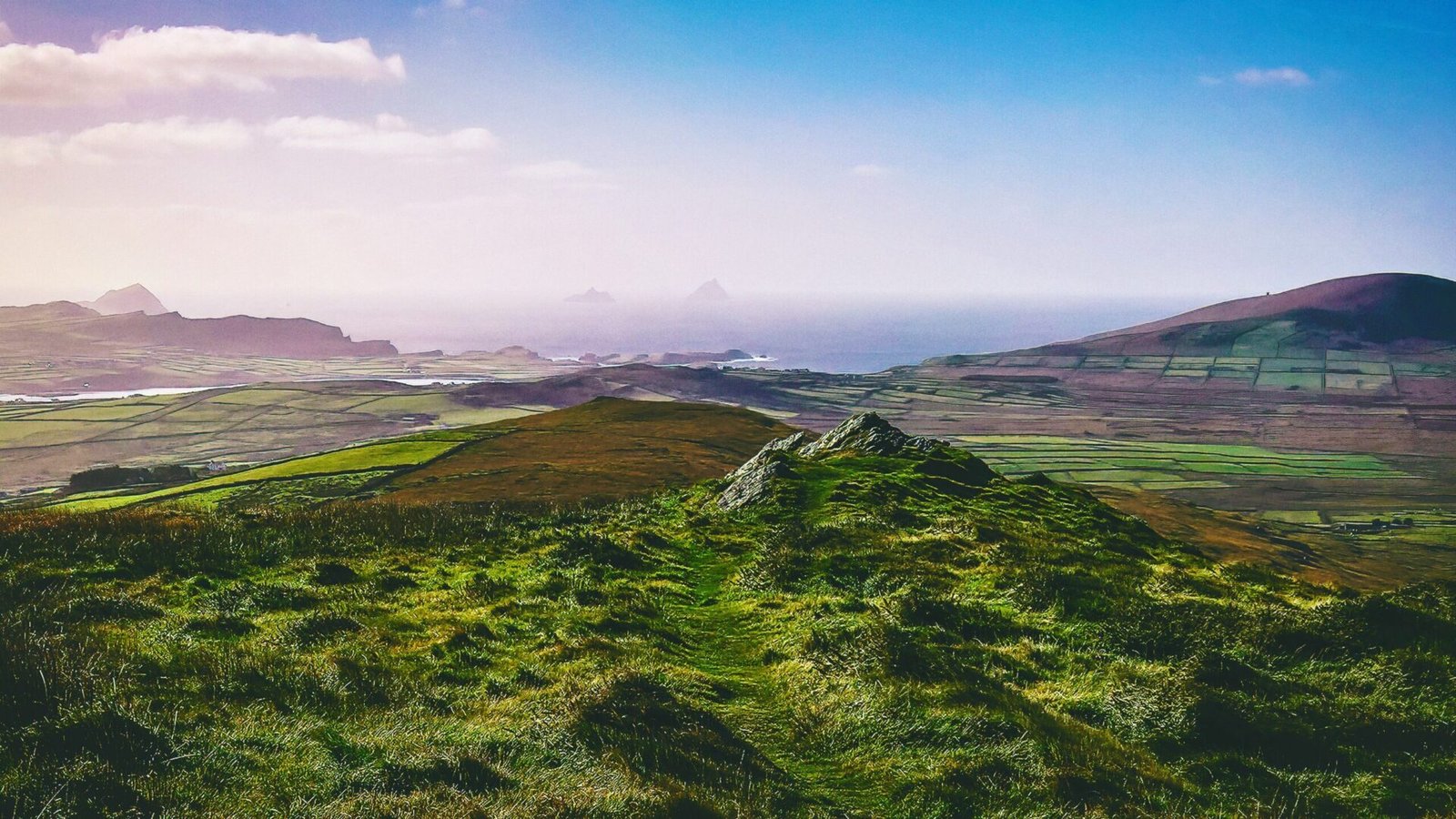
In Ireland, the diverse landscapes—from rugged coastlines to lush forests—provided a rich tapestry of resources. Rivers teemed with fish, while woodlands offered shelter and sustenance. The seasonal rhythms of the landscape dictated the movements of these communities, who adapted their hunting and gathering practices to align with the availability of resources.
Moreover, the landscape was imbued with meaning. Many Mesolithic peoples likely had a deep spiritual connection to the land, as evidenced by the placement of burial sites and the creation of ritual spaces. These connections would later influence the myths and legends that emerged in Irish culture, intertwining the natural world with the narratives of gods, spirits, and ancestors.
The Transition to the Neolithic
As the Mesolithic era drew to a close around 4000 BCE, the seeds of change were already being sown. The arrival of new agricultural practices marked a significant turning point in human history. While the hunter-gatherer lifestyle had served communities well for millennia, the allure of farming and the promise of a more stable food supply began to reshape societal structures.
The transition from the Mesolithic to the Neolithic was not abrupt; rather, it was a gradual process influenced by environmental changes, population pressures, and cultural exchanges. As communities began to settle and cultivate the land, the landscape itself transformed, paving the way for the development of permanent structures and the rise of complex societies.
In conclusion, the Mesolithic hunter-gatherer era in Ireland is a rich and complex period that laid the foundation for future cultural developments. Through an exploration of its definition and time frame, we gain insight into the lives of those who inhabited the land long before the advent of agriculture. Their relationship with the landscape, their innovative tools, and their evolving social structures all contribute to our understanding of this pivotal moment in human history.