Social Structure in Irish Prehistory: A Pillar Page
Introduction to Social Structure
The social structure of prehistoric Ireland is a fascinating tapestry woven from the threads of community dynamics, roles, and relationships that defined the lives of its inhabitants. Understanding this structure provides insight into how early Irish societies functioned, adapted, and thrived in a landscape rich with both natural resources and mythological significance. This exploration of social structure is not merely an academic exercise; it reveals how the people of ancient Ireland understood their world, their place within it, and the narratives that shaped their lives.
Group Dynamics and Community Organization
At the heart of prehistoric Irish society lay a complex web of group dynamics that dictated interpersonal relationships and community organization. These dynamics were influenced by various factors, including geography, resources, and kinship ties. Communities often formed around clans or extended families, which provided a sense of belonging and identity. The kinship system was vital, as it dictated alliances, inheritance, and social responsibilities.
Communities were typically organized in a hierarchical manner, although the exact structure could vary. At the top were chieftains or leaders, often selected based on lineage, bravery, or wisdom. These individuals were responsible for making decisions, leading in times of conflict, and mediating disputes. Below them were the common members of the community, who contributed to the group’s survival through labor, trade, and social cohesion.
The importance of communal activities cannot be overstated. Rituals, festivals, and communal feasting were essential for reinforcing social bonds and maintaining group identity. These gatherings allowed for the sharing of resources, storytelling, and the passing down of cultural traditions. They also served as opportunities for negotiation and alliance-building, which were crucial for survival in a landscape that could be both bountiful and harsh.
Roles of Men and Women in Subsistence
The division of labor in prehistoric Irish societies was often marked by gender, with distinct roles for men and women that were shaped by the demands of subsistence living. Men typically engaged in hunting, fishing, and herding, while women were primarily responsible for gathering, farming, and domestic tasks. This division was not rigid; rather, it reflected a complementary relationship that was vital for the community’s survival.
Men would venture into the wilds, armed with tools made from flint and bone, to hunt deer, boar, and other game. Their skills in tracking and understanding animal behavior were crucial for successful hunts. Fishing was another male-dominated activity, with rivers and coastal areas providing rich sources of food. The ability to harness these resources was a mark of strength and skill, and successful hunts would often be celebrated within the community.
Women, on the other hand, played a pivotal role in the agricultural aspects of subsistence. They were the primary gatherers of wild fruits, nuts, and herbs, and their knowledge of the landscape was essential for identifying edible plants and medicinal herbs. As agriculture began to take root in the Neolithic period, women became crucial in the cultivation of crops such as barley and wheat. Their contributions to food production were vital, ensuring that communities could sustain themselves through seasonal changes.
The roles of men and women were also intertwined in the domestic sphere. While women managed the household, caring for children and maintaining the home, men often participated in communal activities that supported family units. This interdependence fostered a sense of unity and cooperation, essential for the survival of early communities.
Kinship and Social Networks
Kinship was the cornerstone of social organization in prehistoric Ireland. Relationships were not merely biological; they encompassed a broader network of alliances and obligations. The extended family system allowed for the pooling of resources, labor, and knowledge, creating a support network that was vital in times of hardship.
Marriage practices were often strategic, serving to strengthen ties between clans and secure alliances. These unions were not solely based on romantic love but were often arranged to enhance social standing, secure resources, or forge political alliances. The children born from these unions were seen as vital links in the chain of kinship, carrying forward the lineage and ensuring the continuation of family ties.
Social networks extended beyond immediate kin, often involving relationships with neighboring clans. These connections facilitated trade, resource sharing, and mutual defense against external threats. The importance of these networks is reflected in the archaeological record, which shows evidence of trade routes and exchanges between different communities. Such interactions were crucial for cultural exchange, allowing for the dissemination of ideas, technologies, and practices across regions.
Spiritual Beliefs and Social Structure
In prehistoric Ireland, spirituality was deeply intertwined with social structure. The belief systems of early Irish societies were often animistic, viewing the landscape as imbued with spirits and deities. This connection to the land influenced social organization, as certain sites were deemed sacred and served as focal points for communal gatherings and rituals.
The roles of shamans or spiritual leaders were significant within these communities. Often revered for their knowledge of the spiritual realm, these individuals acted as mediators between the people and the divine. They were responsible for conducting rituals, offering sacrifices, and interpreting omens, thus reinforcing the social hierarchy. Their authority was derived not only from their spiritual insight but also from their ability to navigate the complexities of social relationships.
Rituals and ceremonies played a crucial role in reinforcing social cohesion. Seasonal festivals marked important agricultural cycles and were opportunities for communal celebration. These events allowed individuals to reaffirm their identities and roles within the community, fostering a sense of belonging and continuity.
The Impact of Landscape on Social Structure
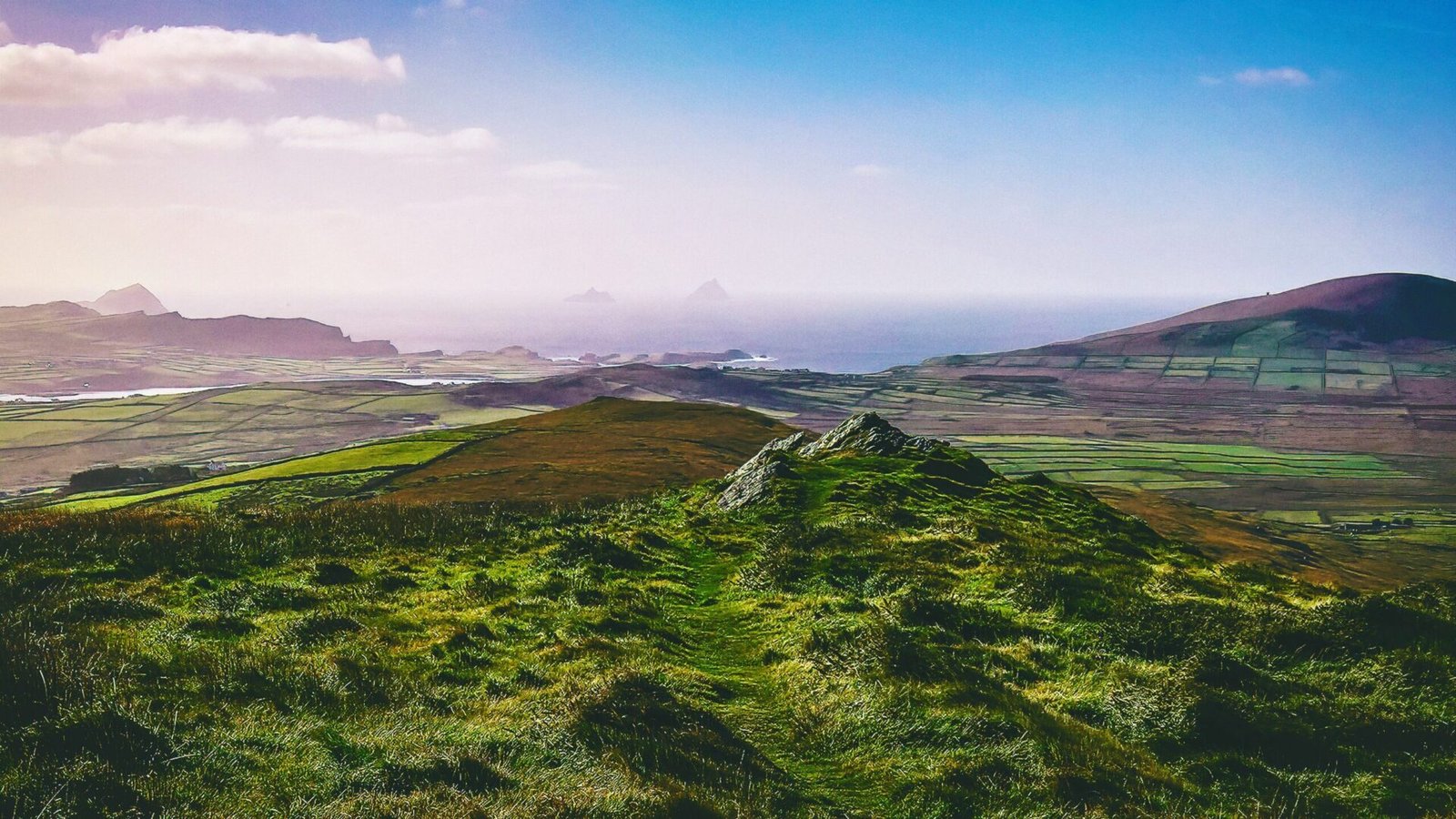
The physical landscape of Ireland significantly influenced social structures and community organization. The availability of resources, such as fertile land, rivers, and forests, shaped settlement patterns and subsistence strategies. Communities often settled near water sources, which were essential for agriculture, fishing, and transportation. The landscape also provided natural boundaries that defined territorial claims and influenced social interactions.
Moreover, the presence of megalithic structures, such as passage tombs and stone circles, indicates that certain geographic locations held spiritual significance. These sites were often focal points for communal gatherings and rituals, reinforcing the connection between the people and their environment. The landscape was not merely a backdrop for human activity; it was an active participant in shaping social relations and cultural practices.
The interplay between social structure and landscape is evident in the archaeological record. Settlements were often strategically located to maximize access to resources while minimizing exposure to potential threats. This strategic placement reflects a deep understanding of the environment and its rhythms, showcasing the adaptability of prehistoric communities.
Conclusion
The social structure of prehistoric Ireland was a dynamic and multifaceted system, shaped by group dynamics, gender roles, kinship ties, spiritual beliefs, and the surrounding landscape. By examining these elements, we gain a deeper understanding of how early Irish societies functioned and thrived in a world rich with both challenges and opportunities. The interplay of these factors created a vibrant tapestry of life that continues to resonate through the myths and landscapes of Ireland today.