Mobility and Settlement Patterns
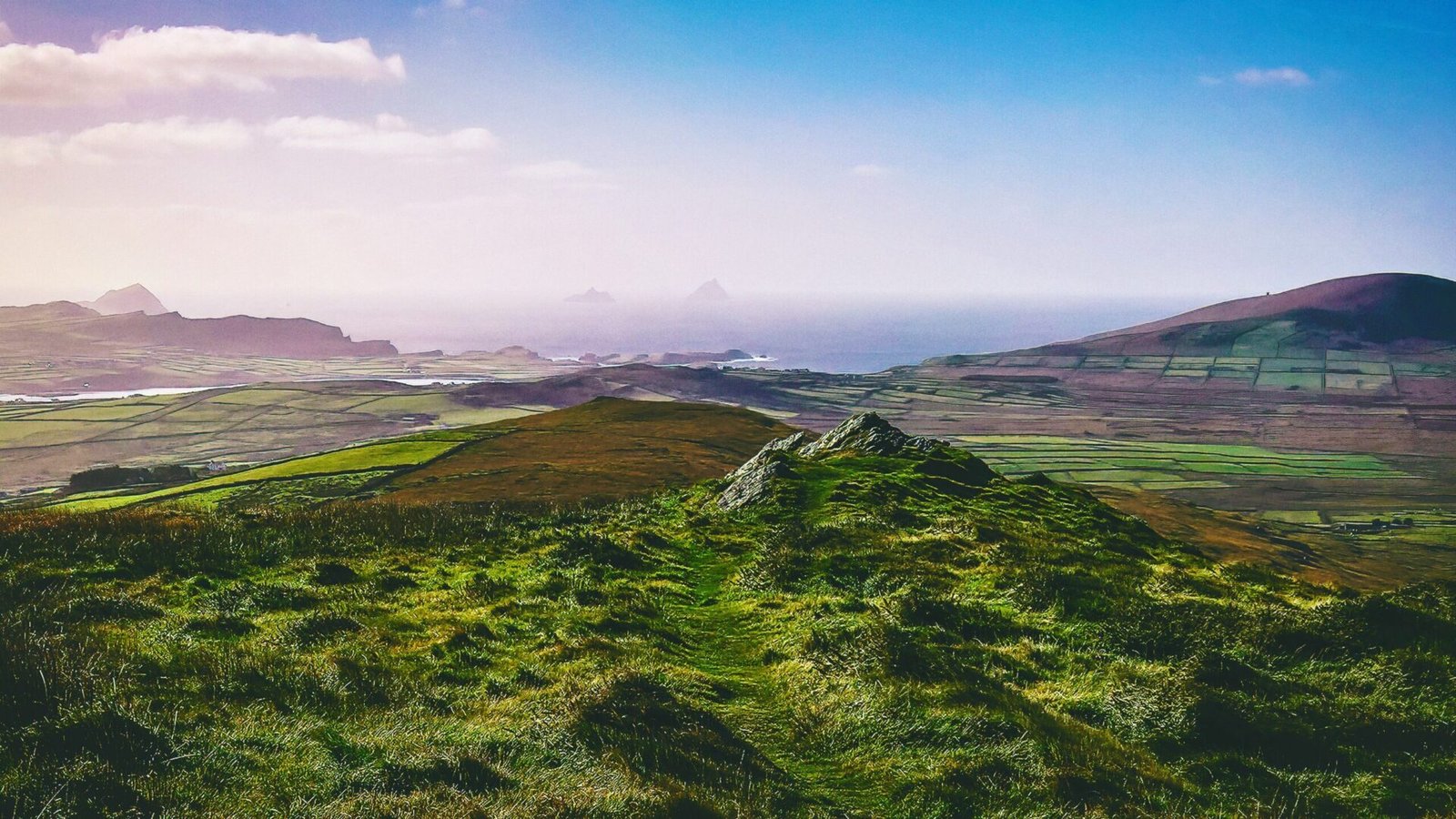
In the rich tapestry of Irish prehistory, the interplay between mobility and settlement patterns reveals much about the lives of early inhabitants. The landscape of Ireland, with its rolling hills, rugged coastlines, and fertile valleys, shaped the ways in which communities interacted with their environment. This section explores the dynamics of seasonal migrations, evidence of temporary campsites, and the broader implications of mobility on social structures, resource management, and cultural practices.
Seasonal Migrations
The concept of seasonal migrations is integral to understanding the lifestyle of prehistoric communities in Ireland. These migrations were not random but were often dictated by the rhythms of nature, including the availability of resources such as food and shelter. Early Irish peoples practiced a form of subsistence that relied heavily on the cycles of the seasons. During the warmer months, groups would move to areas rich in resources, such as riverbanks or coastal regions, where they could hunt, fish, and gather. As winter approached, they would retreat to more sheltered locations, often returning to established sites that provided protection and access to stored food supplies.
The evidence of these seasonal migrations can be traced through archaeological findings, such as the remains of hearths, tools, and food remnants found in various locations. For instance, the discovery of fish bones and shell middens along the coast indicates that communities engaged in fishing during certain times of the year. Similarly, the presence of animal bones and tools in inland sites suggests that hunting and gathering were prevalent in different seasons. These patterns of movement not only highlight the adaptability of early Irish peoples but also underscore their deep connection to the landscape.
Evidence of Temporary Campsites
One of the most fascinating aspects of mobility in prehistoric Ireland is the evidence of temporary campsites. These sites, often characterized by their ephemeral nature, provide crucial insights into the daily lives and practices of early communities. Archaeological excavations have uncovered numerous campsites across Ireland, revealing a wealth of information about the activities that took place there.
Temporary campsites were typically established in areas that offered abundant resources. For example, sites near rivers or lakes would have been ideal for fishing and gathering waterfowl, while those located near forests would provide access to game and wild plants. The remains of these campsites often include fire pits, stone tools, and remnants of food, which together paint a vivid picture of the community’s activities.
One notable example is the discovery of a series of campsites in the Boyne Valley, where evidence suggests that groups returned to the same locations year after year. The presence of specific tools and the remains of particular food sources indicate that these sites were not only functional but also held cultural significance. The act of returning to these campsites may have fostered social bonds and facilitated the sharing of knowledge and resources among different groups.
Social Structures and Mobility
The patterns of mobility and settlement in prehistoric Ireland were closely tied to social structures. As groups moved through the landscape, they interacted with one another, sharing resources and cultural practices. This interaction likely led to the formation of social networks that transcended individual communities. The mobility of these groups allowed for the exchange of goods, ideas, and technologies, contributing to the development of a shared cultural identity.
Archaeological evidence suggests that certain sites served as gathering places for multiple groups, especially during seasonal migrations. These communal gatherings would have been essential for social cohesion, allowing different groups to come together, exchange stories, and reinforce social ties. The importance of these gatherings is echoed in later Irish mythology, where communal feasting and storytelling play central roles in the cultural narrative.
Moreover, the mobility of early Irish peoples may have influenced their social hierarchies. As groups moved through the landscape, leaders likely emerged based on their knowledge of the terrain and resource availability. This dynamic could have led to the establishment of roles within communities, where certain individuals were responsible for guiding groups to optimal hunting grounds or ensuring the safety of the community during migrations.
Resource Management and Environmental Adaptation
The relationship between mobility and resource management is another critical aspect of prehistoric life in Ireland. Early inhabitants were keen observers of their environment, adapting their movements in response to changing ecological conditions. This adaptability is evident in the way they managed resources, ensuring sustainability over time.
For instance, the practice of rotating campsites allowed communities to avoid depleting local resources. By moving to different areas, they could allow previously used sites to regenerate, ensuring a continuous supply of food and materials. This sustainable approach to resource management is indicative of a deep understanding of the landscape and its cycles.
Additionally, the seasonal migrations of prehistoric communities were often aligned with the natural rhythms of wildlife. For example, the migration patterns of certain animal species would dictate when and where groups would hunt. This intricate knowledge of animal behavior not only ensured food security but also fostered a spiritual connection to the land, as reflected in later mythological narratives that celebrate the harmony between humans and nature.
Cultural Practices and Mobility
The mobility of prehistoric communities in Ireland also influenced their cultural practices. The movement across diverse landscapes exposed groups to various environments, leading to the adoption and adaptation of different cultural elements. This cultural exchange is evident in the artifacts found at various archaeological sites, which often display a blend of styles and techniques.
Moreover, the stories and myths that emerged from these experiences became integral to the cultural identity of the communities. The landscapes themselves were imbued with meaning, as places of significance were often tied to the narratives of gods, heroes, and ancestral figures. The act of migration and the return to familiar sites likely reinforced these cultural connections, as individuals recounted stories of their journeys and the lessons learned along the way.
In conclusion, the exploration of mobility and settlement patterns in prehistoric Ireland reveals a complex interplay between the environment, social structures, resource management, and cultural practices. The seasonal migrations and temporary campsites highlight the adaptability and resilience of early communities, while also providing a glimpse into the rich cultural landscape that would later influence Irish mythology. Through their movements across the land, these early inhabitants forged a deep connection to their environment, shaping the narrative of a people whose stories continue to resonate through time.