Influence of Mythology on Modern Understanding of Prehistory
Introduction: The Interwoven Tapestry of Myth and History
Mythology serves as a bridge between the past and present, weaving narratives that shape our understanding of human existence. In the context of Irish prehistory, the interplay between myth and archaeological evidence offers a rich tapestry that informs our comprehension of ancient societies. The stories of gods, heroes, and mythical creatures are not mere flights of fancy; they are reflections of the cultural, social, and environmental realities of the time. This exploration delves into how mythology influences our understanding of prehistory, particularly in the Irish landscape, where the echoes of ancient tales resonate through the hills and valleys.
The Role of Mythology in Shaping Historical Narratives
Mythology has long been a tool for societies to articulate their origins, values, and beliefs. In Ireland, the mythological cycles—such as the Mythological Cycle, the Ulster Cycle, and the Fenian Cycle—provide insights into the worldview of ancient peoples. These narratives often encapsulate historical events, social structures, and environmental conditions, albeit through a fantastical lens.
For instance, the stories of the Tuatha Dé Danann, the mythical race of gods and goddesses, reflect a society grappling with concepts of power, land, and identity. As archaeologists uncover burial mounds, stone circles, and ancient settlements, they often find parallels between these sites and the locations described in myth. The Hill of Tara, a significant site in Irish mythology, is believed to be the seat of kings and a place of assembly. Archaeological findings, including ceremonial artifacts and evidence of ancient gatherings, lend credence to the idea that such locations held profound importance in both myth and reality.
Myths as Cultural Memory
Myths serve as repositories of cultural memory, preserving the collective experiences and values of a society. In Ireland, oral traditions played a crucial role in transmitting knowledge across generations. The stories of Cú Chulainn, the warrior hero, and Deirdre of the Sorrows not only entertain but also convey moral lessons and societal norms. These narratives often reflect the challenges faced by ancient communities, such as warfare, kinship, and the relationship with the natural world.
The landscape of Ireland is dotted with sites that are intimately connected to these myths. The Giant’s Causeway, with its hexagonal columns, has been the subject of various legends, including that of the giant Finn McCool. Such stories not only enrich the cultural fabric of the region but also influence modern interpretations of the past. The blending of myth and geography creates a sense of place that is deeply rooted in the collective consciousness of the Irish people.
Archaeology Meets Mythology
As archaeological methods advance, the relationship between mythology and prehistory becomes increasingly complex. Archaeologists often encounter artifacts and structures that resonate with mythological narratives, leading to intriguing interpretations. For example, the discovery of ancient burial sites with grave goods suggests beliefs in an afterlife, a theme prevalent in many Irish myths. The practice of placing offerings in graves parallels the customs depicted in myth, where the dead are honored and remembered.
Moreover, the alignment of certain megalithic structures with celestial events, such as solstices and equinoxes, mirrors the astronomical knowledge embedded in mythological tales. The passage tombs of Newgrange, for instance, are aligned with the rising sun on the winter solstice, a phenomenon that resonates with the themes of rebirth and renewal found in Irish mythology. This intersection of archaeology and mythology not only enhances our understanding of prehistoric practices but also highlights the sophistication of ancient societies in their observation of the natural world.
The Influence of Colonial Narratives
The interpretation of Irish mythology has also been shaped by colonial narratives that sought to diminish the significance of indigenous beliefs. During British rule, Irish mythology was often dismissed as superstition, leading to a disconnect between the past and present. This colonial lens influenced how historians and archaeologists approached the study of prehistory, often sidelining the rich tapestry of mythological narratives in favor of a more Eurocentric perspective.
However, contemporary scholarship is increasingly recognizing the value of mythology in understanding prehistory. By embracing these narratives, researchers can reconstruct a more nuanced picture of ancient Irish societies. The reclamation of myth as a legitimate source of historical knowledge challenges colonial interpretations and fosters a deeper appreciation for the cultural heritage of Ireland.
Mythology and Landscape: A Symbiotic Relationship
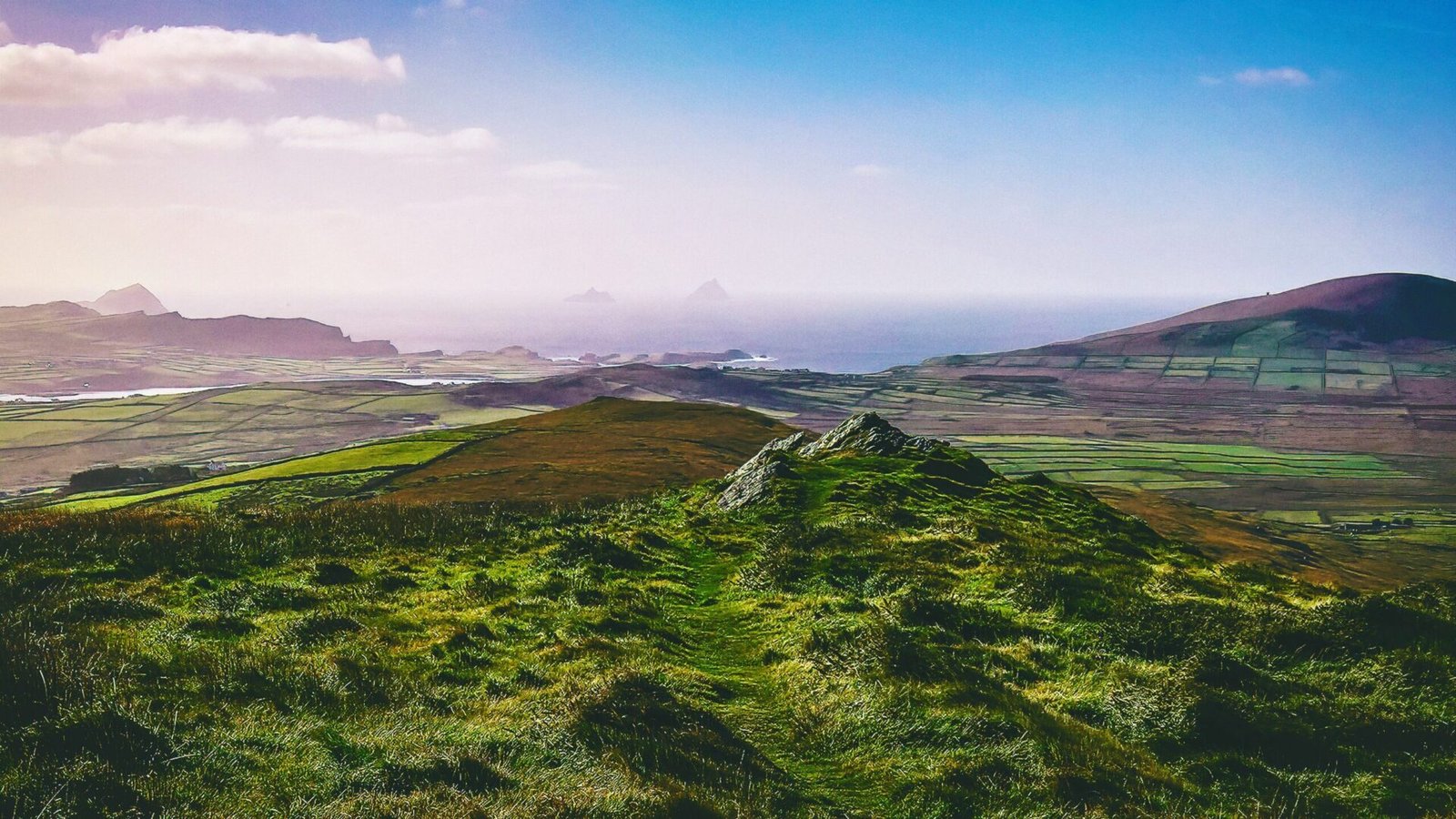
The Irish landscape is imbued with mythological significance, as many natural features are linked to stories and characters from ancient tales. Mountains, rivers, and stone formations often bear names that evoke the legends of old, creating a sense of continuity between the past and the present. This symbiotic relationship between mythology and landscape shapes how communities interact with their environment.
For instance, the River Boyne, associated with the goddess Brigid, is not just a geographical feature but a living entity within the mythological framework. The river’s flow and the changing seasons are reflected in the stories that surround it, illustrating the deep connection between the people and their land. Modern interpretations of these landscapes often draw upon mythological narratives, enriching the cultural significance of the sites and fostering a sense of identity among contemporary Irish communities.
The Evolution of Myth in Modern Contexts
As society evolves, so too does the interpretation of mythology. In contemporary Ireland, there is a resurgence of interest in ancient myths, often reimagined through literature, art, and popular culture. This revival not only honors the past but also provides a lens through which to explore modern issues, such as identity, belonging, and environmental stewardship.
The reinterpretation of myths allows for a dialogue between ancient wisdom and contemporary challenges. For instance, themes of ecological balance and respect for nature, prevalent in many Irish myths, resonate strongly in today’s discussions about sustainability and conservation. By re-engaging with these narratives, modern society can draw lessons from the past while addressing the pressing issues of the present.
Conclusion: A Living Legacy
The influence of mythology on our understanding of prehistory is profound and multifaceted. In the context of Irish prehistory, myths serve as a lens through which we can explore the lives, beliefs, and landscapes of ancient peoples. As we continue to unearth the layers of history, the stories of gods, heroes, and the natural world remind us that the past is not a distant memory but a living legacy that shapes our present and future. The interplay between myth and archaeology enriches our understanding of human experience, inviting us to reflect on the enduring power of storytelling in shaping our collective identity.