Fortifications and Hill Forts in Irish Prehistory
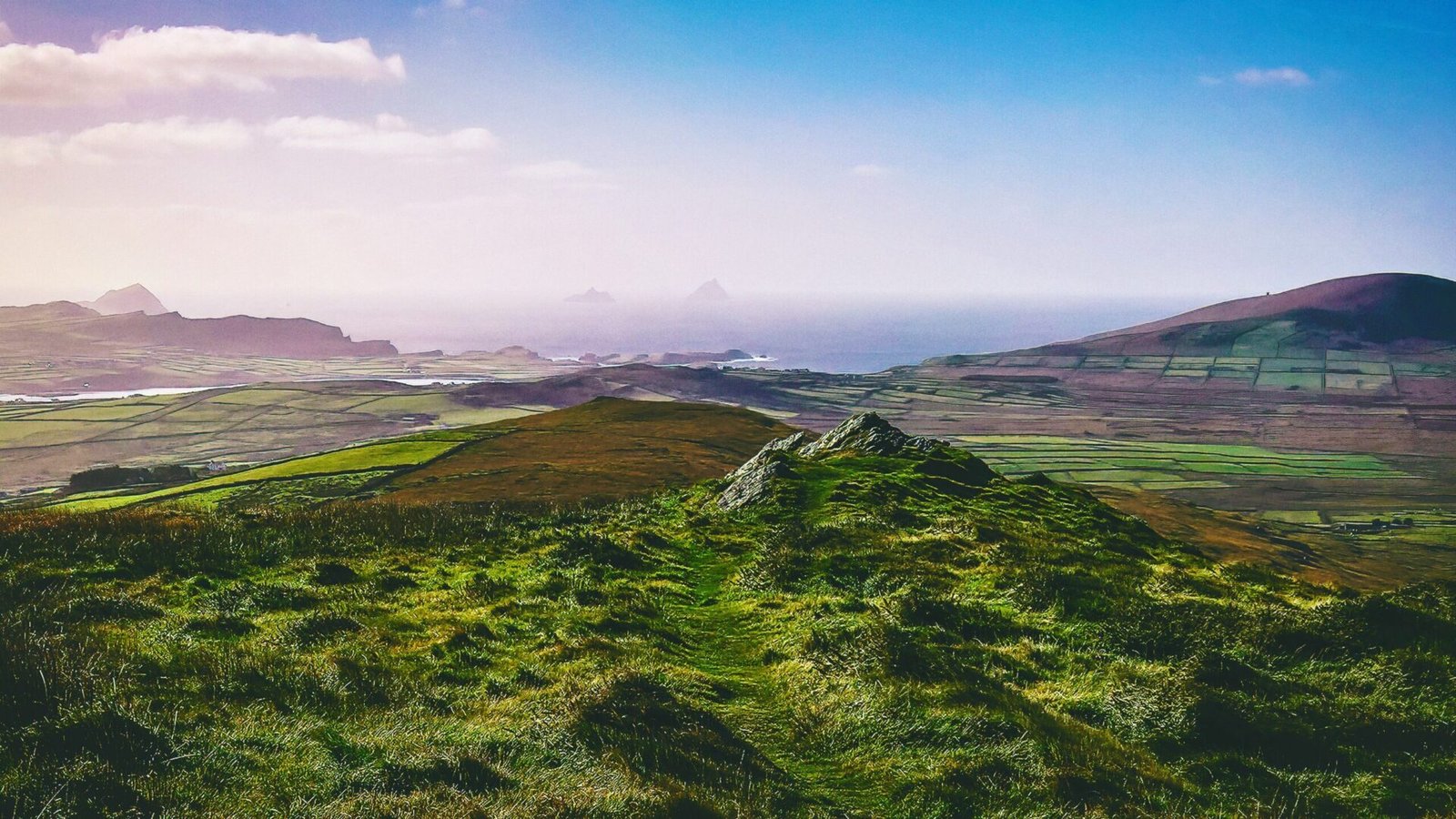
In the verdant tapestry of Ireland’s landscape, the remnants of ancient fortifications and hill forts stand as silent sentinels, whispering tales of a bygone era. These structures, often perched atop hills and commanding sweeping views of the surrounding countryside, are not merely relics of military strategy but are deeply entwined with the myths and cultural narratives of Ireland. To understand these fortifications is to delve into the heart of Irish prehistory, where the lines between myth and reality blur, and the landscape itself becomes a storyteller.
The Role of Hill Forts in Prehistoric Ireland
Hill forts in Ireland, primarily dating from the Bronze Age through to the Iron Age, served multiple purposes. While their most apparent function was defensive, providing refuge and protection against invaders, they were also centers of trade, governance, and social gathering. These structures were often strategically located to oversee important routes and resources, underscoring their role in the control and management of the surrounding territory.
The construction of hill forts was a monumental task, requiring significant labor and resources. Typically, they consisted of earthen banks, ditches, and wooden palisades, though some evolved into more complex structures with stone walls. The effort involved in their construction speaks to the societal organization and the importance of these sites in prehistoric communities.
Mythological Significance
In Irish mythology, hill forts are frequently depicted as the abodes of gods, heroes, and legendary figures. They are often associated with the Tuatha Dé Danann, a mythical race said to have inhabited Ireland before the arrival of the Celts. These sites are woven into the fabric of stories that speak of battles, supernatural events, and the interplay between the mortal and the divine.
One of the most famous hill forts, Emain Macha (Navan Fort), is linked to the Ulster Cycle of Irish mythology. It is said to be the capital of the Ulaid and the seat of the legendary King Conchobar mac Nessa. The tales of Cú Chulainn, the hero of the Ulster Cycle, are deeply connected to this site, illustrating how these fortifications were not just physical structures but also pivotal elements in the mythological landscape.
Archaeological Insights
Archaeological excavations of hill forts have provided invaluable insights into the lives of their inhabitants. Artifacts such as pottery, tools, and jewelry reveal a society that was both sophisticated and interconnected with other cultures across Europe. The discovery of imported goods suggests that these sites were part of extensive trade networks, challenging the notion of prehistoric Ireland as isolated and insular.
Moreover, the study of hill forts has shed light on the social hierarchy and organization of prehistoric communities. The presence of high-status items and evidence of feasting and ceremonial activities indicate that these sites were not only defensive strongholds but also centers of power and influence.
The Landscape as a Living Entity
In Irish prehistory, the landscape was more than a backdrop; it was a living entity imbued with spiritual significance. Hill forts, often situated in places of natural beauty and strategic importance, were seen as liminal spaces where the human and the supernatural worlds intersected. The choice of location for these fortifications was likely influenced by both practical considerations and spiritual beliefs, reflecting a worldview in which the land itself was a participant in human affairs.
This connection between the landscape and the spiritual realm is evident in the alignment of some hill forts with celestial events. For instance, certain sites are oriented to capture the rising or setting sun during solstices and equinoxes, suggesting a sophisticated understanding of astronomy and its integration into the cultural and religious practices of the time.
The Evolution of Fortifications
As Ireland transitioned from the Bronze Age to the Iron Age, the nature of fortifications evolved. The introduction of iron tools and weapons brought about changes in construction techniques and military strategies. Hill forts became more complex, with multiple lines of defense and more substantial fortifications. This evolution reflects broader changes in society, including increased competition for resources and the emergence of more centralized forms of governance.
The decline of hill forts in the later Iron Age coincided with the rise of new forms of settlement and social organization. However, their legacy endured, influencing the development of later medieval castles and fortifications. The enduring presence of these ancient structures in the landscape serves as a testament to their significance in Ireland’s historical and cultural narrative.
The Interplay of Myth and History
The study of fortifications and hill forts in Irish prehistory is a journey into the interplay of myth and history. These sites are not merely archaeological artifacts; they are touchstones of cultural memory, places where the past and present converge. The myths associated with these fortifications provide a lens through which to view the values, beliefs, and aspirations of the societies that built them.
In contemporary Ireland, hill forts continue to captivate the imagination, drawing visitors and scholars alike to explore their mysteries. They are a reminder of a time when the landscape was alive with stories, and the boundaries between the natural and the supernatural were fluid and permeable.
As we walk among these ancient ruins, we are invited to listen to the echoes of the past and to consider the ways in which the myths and landscapes of Ireland continue to shape its identity. In doing so, we honor the legacy of those who came before us, whose lives and stories are etched into the very fabric of the land.