Transition from Prehistoric to Historic Periods: An Irish Perspective
The transition from prehistoric to historic periods marks a pivotal moment in the tapestry of human civilization, where the veil of mystery begins to lift, revealing the chronicles of our ancestors through written records. In Ireland, this transition is not merely a shift in time but a profound transformation in cultural, social, and technological paradigms. This chapter delves into the historical context of this transition, exploring its implications on Irish prehistory, its connection to myths, and the indelible imprint it left on the landscape.
The Dawn of History: From Oral Traditions to Written Records
In prehistoric Ireland, knowledge and traditions were passed down through generations via oral storytelling. These narratives, rich with myth and legend, were the lifeblood of communities, preserving their history, beliefs, and values. The arrival of written records marked the dawn of the historic period, providing a more permanent and tangible means of documentation. The introduction of Ogham script, the earliest form of writing in Ireland, around the 4th century AD, signified a monumental shift. Carved into standing stones, these inscriptions primarily recorded names and genealogies, offering a glimpse into the social structures and familial ties of the time.
The advent of Christianity in the 5th century further accelerated the transition. Monasteries became centers of learning and literacy, where monks meticulously transcribed religious texts, annals, and sagas. This era saw the creation of illuminated manuscripts, such as the Book of Kells, which not only preserved religious doctrine but also captured elements of pre-Christian mythology and folklore, intertwining the old with the new.
Cultural and Technological Transformations
The transition from prehistoric to historic periods in Ireland was characterized by significant cultural and technological advancements. The Bronze Age, preceding the historic era, had already introduced metalworking, which revolutionized tool and weapon production. However, the Iron Age brought about further innovations, with the introduction of iron tools and weapons, enhancing agricultural efficiency and warfare capabilities.
Socially, the transition saw the emergence of more complex societal structures. The establishment of kingdoms and the rise of chieftains and kings reflected a shift from tribal communities to more hierarchical systems. This period also witnessed the construction of impressive architectural feats, such as ringforts and crannogs, which served as fortified dwellings and centers of power.
Myths and Legends: Bridging the Prehistoric and Historic
Irish mythology, with its pantheon of gods, heroes, and supernatural beings, serves as a bridge between the prehistoric and historic periods. These myths, rooted in oral tradition, were eventually transcribed by Christian monks, preserving them for posterity. The tales of the Tuatha Dé Danann, the legendary inhabitants of Ireland, and the epic exploits of Cú Chulainn and Fionn mac Cumhaill, are imbued with historical elements, reflecting the values, beliefs, and societal norms of the times.
The integration of myth into historical records highlights the fluidity between fact and fiction in early Irish history. These narratives not only provided entertainment but also served as moral and educational tools, reinforcing cultural identity and continuity amidst the changing tides of history.
The Landscape as a Historical Canvas
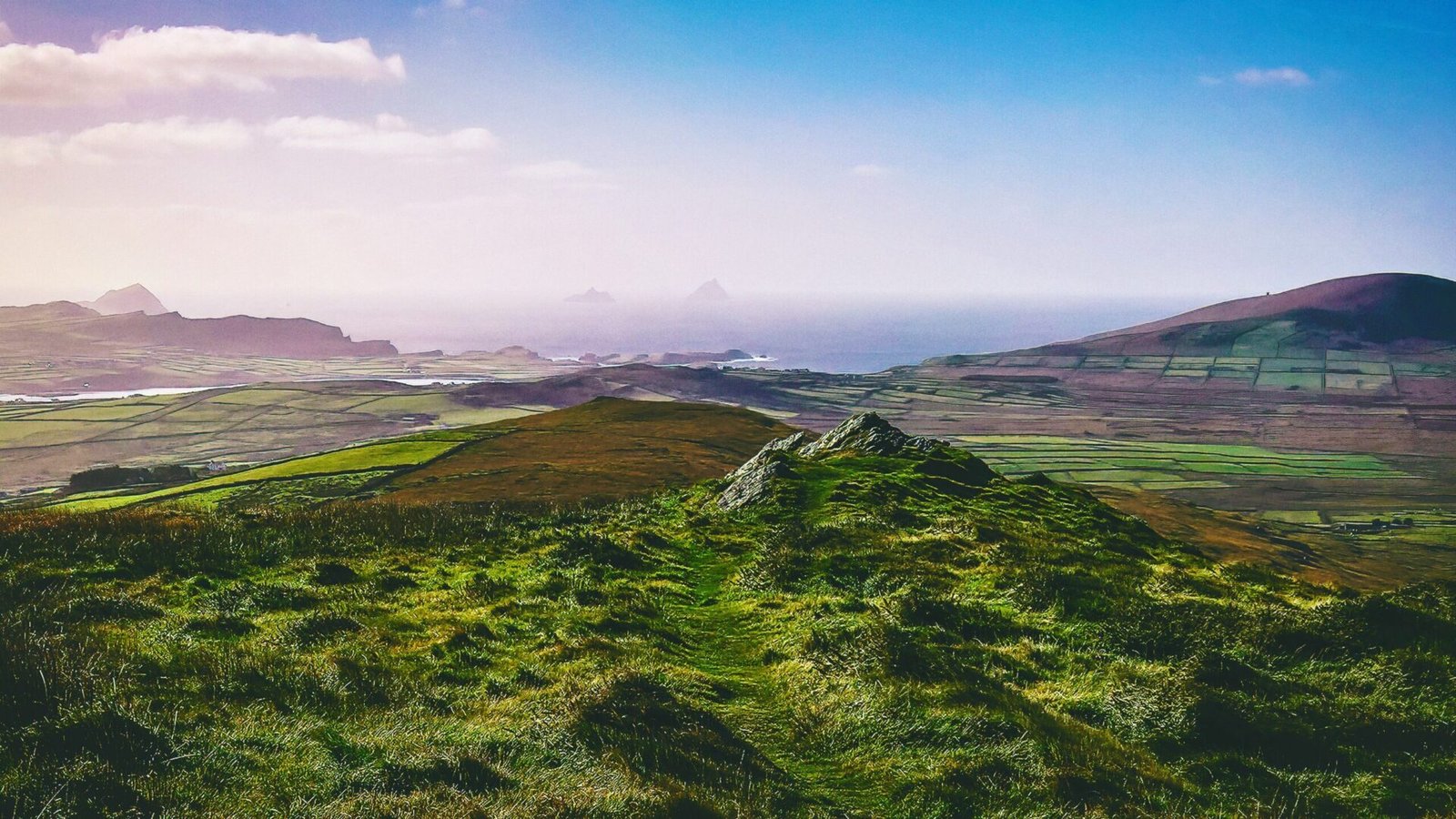
The Irish landscape is a living testament to the transition from prehistoric to historic periods. Megalithic tombs, stone circles, and ancient forts dot the countryside, silent witnesses to the passage of time. These monuments, steeped in myth and legend, offer insights into the spiritual and ceremonial practices of prehistoric communities.
As Ireland transitioned into the historic period, the landscape continued to evolve. The construction of monasteries, round towers, and high crosses during the early Christian era left a lasting imprint, symbolizing the fusion of old and new beliefs. These structures not only served religious purposes but also acted as beacons of learning and culture, attracting scholars and pilgrims from across Europe.
The Role of Archaeology in Unraveling the Past
Archaeology plays a crucial role in understanding the transition from prehistoric to historic periods in Ireland. Excavations and studies of ancient sites provide invaluable information about the daily lives, customs, and interactions of early Irish communities. Artifacts such as pottery, tools, and jewelry offer tangible connections to the past, while the study of burial practices and settlement patterns sheds light on societal structures and cultural evolution.
Recent advancements in technology, such as radiocarbon dating and DNA analysis, have further enhanced our understanding of this transition. These tools allow archaeologists to construct more accurate timelines and trace the movements and interactions of ancient populations, painting a more comprehensive picture of Ireland’s journey from prehistory to history.
Interconnections with Broader European Contexts
The transition from prehistoric to historic periods in Ireland did not occur in isolation. It was part of a broader European context, influenced by interactions with neighboring cultures and societies. Trade, migration, and conquest facilitated the exchange of ideas, technologies, and cultural practices, contributing to the dynamic evolution of Irish society.
The arrival of the Celts, for instance, brought new artistic styles, religious beliefs, and social structures, which were assimilated into the existing cultural fabric. Similarly, the spread of Christianity, driven by missionaries from Britain and continental Europe, introduced new religious and philosophical paradigms, reshaping Irish identity and history.
Conclusion
The transition from prehistoric to historic periods in Ireland is a multifaceted and dynamic process, marked by profound cultural, social, and technological transformations. It is a story of continuity and change, where ancient traditions and beliefs were preserved, adapted, and integrated into new historical contexts. Through the lens of myths, the landscape, and archaeological discoveries, we gain a deeper understanding of this pivotal era, illuminating the rich and complex tapestry of Ireland’s past.