
Exchange of Artistic Styles and Metalworking Techniques
In the rich tapestry of Irish prehistory, the exchange of artistic styles and metalworking techniques represents a fascinating intersection of culture, innovation, and identity. This exchange not only shaped the aesthetic landscape of ancient Ireland but also forged connections with neighboring cultures, influencing the development of art and craftsmanship across the region. As we delve into this intricate web of cultural exchange, we will explore the various artistic styles that emerged, the evolution of metalworking techniques, and the profound impact of these exchanges on the landscape of Irish mythology and identity.
The Artistic Landscape of Prehistoric Ireland
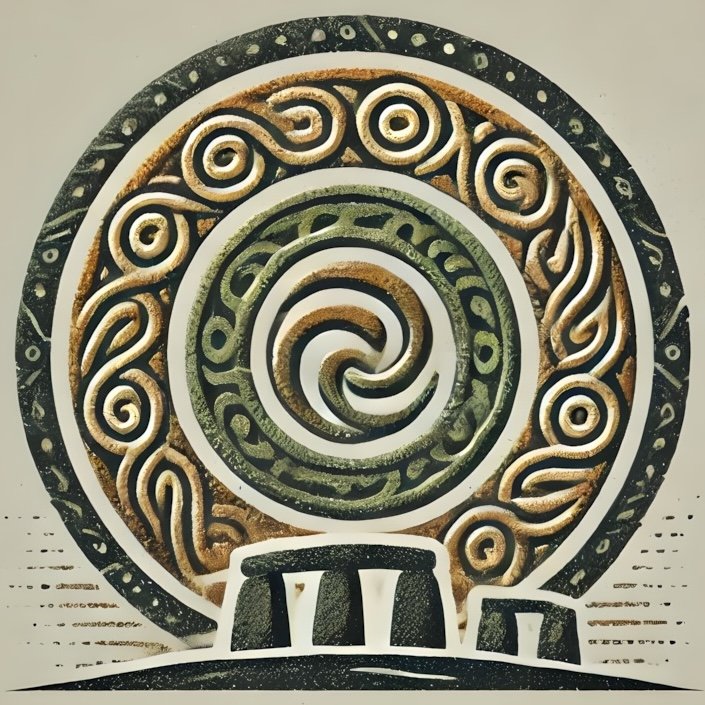
Art in prehistoric Ireland was not merely decorative; it served as a vital expression of identity, spirituality, and community. The earliest forms of artistic expression can be traced back to the Neolithic period, where megalithic structures adorned with intricate carvings emerged. These carvings, often depicting spirals, zigzags, and anthropomorphic figures, are emblematic of a society deeply connected to its environment and the cosmos.
As we move into the Bronze Age, the artistic styles began to evolve, influenced by external interactions and the introduction of new materials. The arrival of metalworking techniques from continental Europe heralded a new era in Irish artistry. The introduction of bronze not only revolutionized tools and weapons but also provided a new medium for artistic expression. Metalworkers began to craft intricate ornaments, weapons, and ceremonial objects that showcased both functionality and beauty.
The artistic styles of this period were characterized by a blend of indigenous motifs and foreign influences. The intricate designs found on bronze objects, such as the famous Tara Brooch and the Ardagh Chalice, reflect a synthesis of local traditions and continental styles. This cross-pollination of artistic ideas is a testament to the dynamic nature of cultural exchange in prehistoric Ireland.
The Influence of Continental Techniques
The exchange of metalworking techniques was pivotal in shaping the artistic landscape of Ireland. As trade routes expanded, artisans were exposed to new methods and materials that transformed their craft. The advent of bronze metallurgy, for instance, was a game-changer. The ability to cast and shape metal allowed for greater complexity in design and functionality.
One of the most significant influences came from the Beaker culture, which spread across Europe around 2500 BCE. This culture brought with it advanced metalworking techniques, including the use of tin to create bronze. The Beaker people also introduced new forms of pottery and burial practices, which had a lasting impact on Irish society. The distinctive Beaker pottery, with its characteristic bell shape and intricate decorations, can be found in burial sites across Ireland, indicating a cultural exchange that transcended geographical boundaries.
As metalworking techniques advanced, so too did the complexity of artistic expression. The introduction of lost-wax casting allowed artisans to create detailed and intricate designs that were previously unattainable. This technique enabled the production of finely crafted jewelry, weapons, and ceremonial objects, which not only served practical purposes but also conveyed social status and identity.
Symbolism and Mythology in Artistic Expression
The artistic expressions of prehistoric Ireland were deeply intertwined with the cultural and spiritual beliefs of the time. Symbols and motifs found in metalwork and stone carvings often held significant meaning, reflecting the society’s relationship with the natural world, the divine, and the afterlife.
For instance, the spiral motif, prevalent in Neolithic art, is believed to symbolize the cycle of life, death, and rebirth. This motif resonates with the mythological narratives that permeate Irish folklore, where the landscape itself is imbued with stories of gods, heroes, and the supernatural. The intertwining of art and mythology creates a rich narrative that connects the physical landscape with the spiritual realm, reinforcing the cultural identity of the people.
The exchange of artistic styles also facilitated the incorporation of foreign mythological elements into Irish storytelling. As artisans and storytellers interacted with neighboring cultures, they absorbed and adapted mythological themes, creating a syncretic tradition that enriched the Irish mythological canon. The tales of the Tuatha Dé Danann, for example, reflect a blend of indigenous beliefs and influences from other Celtic cultures, showcasing the dynamic nature of cultural exchange.
The Role of Trade and Mobility
Trade played a crucial role in facilitating the exchange of artistic styles and metalworking techniques. The movement of goods, ideas, and people across regions fostered a vibrant cultural dialogue. Ireland’s strategic location made it a hub for trade, connecting it with Britain, continental Europe, and beyond.
The discovery of gold and copper deposits in Ireland further stimulated trade and craftsmanship. Artisans began to experiment with these materials, leading to the creation of exquisite gold jewelry and ceremonial objects. The intricate designs of these artifacts, often adorned with filigree and granulation, reflect a high level of technical skill and artistic innovation.
Moreover, the mobility of artisans and craftsmen contributed to the dissemination of techniques and styles. As skilled metalworkers traveled for trade or to seek new opportunities, they brought with them their knowledge and expertise. This exchange of skills not only enriched local craftsmanship but also fostered a sense of community among artisans, transcending regional boundaries.
The Legacy of Artistic Exchange
The legacy of artistic exchange and metalworking techniques in prehistoric Ireland is evident in the enduring cultural identity that continues to resonate today. The intricate designs and motifs that emerged from this period laid the foundation for subsequent artistic movements, influencing Celtic art and later medieval craftsmanship.
As we explore the landscapes of Ireland, we encounter remnants of this rich artistic heritage—stone carvings, metalwork, and megalithic structures that tell the stories of a people deeply connected to their land and traditions. The echoes of cultural exchange reverberate through time, reminding us of the interconnectedness of human experience and the enduring power of art as a medium of expression and identity.
In the context of Irish prehistory, the exchange of artistic styles and metalworking techniques serves as a testament to the dynamic nature of culture, where innovation and tradition coexist, shaping the narrative of a people whose stories are etched into the very fabric of their landscape. Through the lens of art and craftsmanship, we gain insight into the complexities of cultural exchange, revealing a vibrant tapestry of creativity, spirituality, and identity that continues to inspire and captivate.