Impact on Local Traditions and Practices
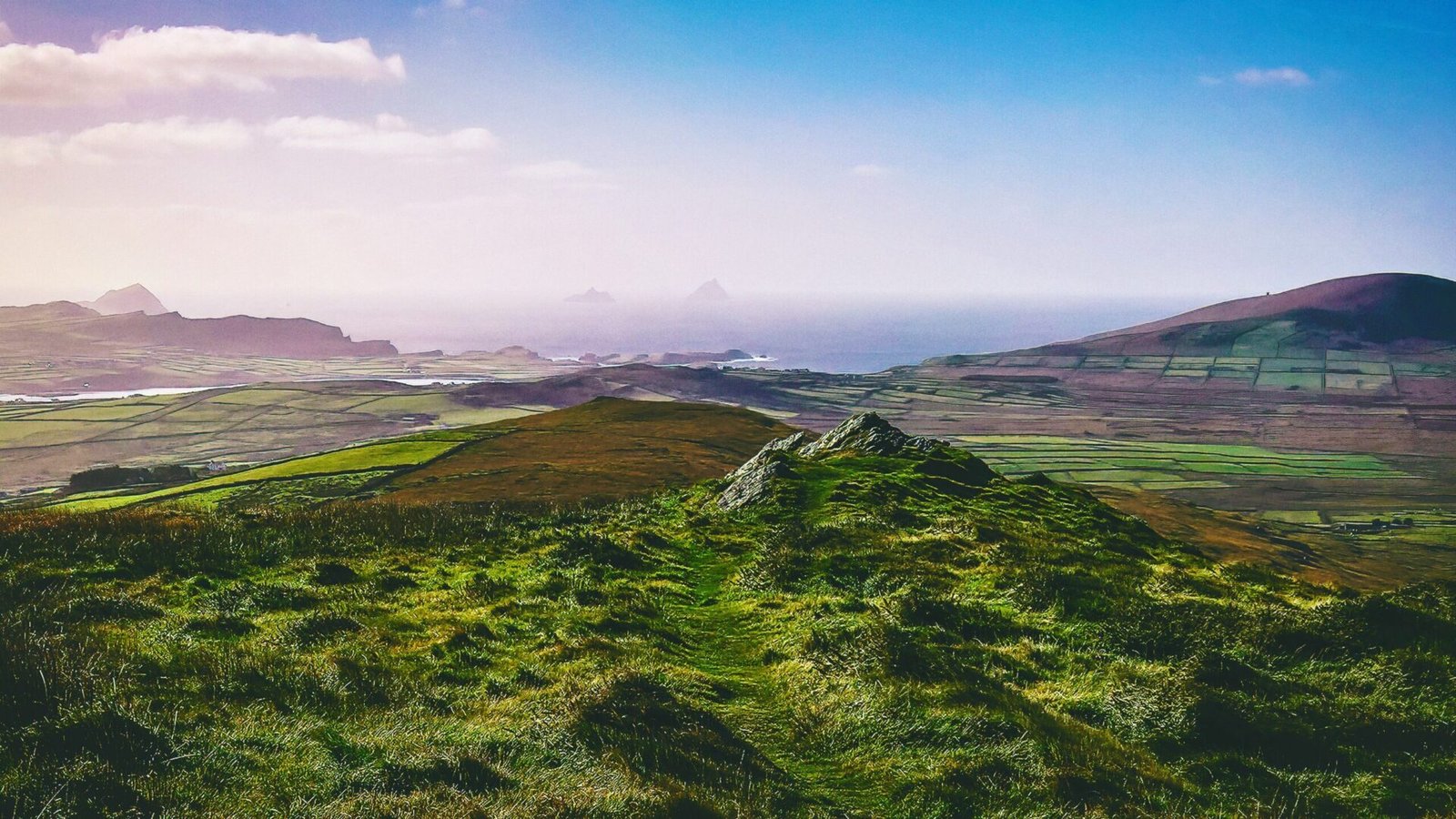
In the verdant landscapes of Ireland, where rolling hills meet the misty horizon, the echoes of ancient traditions and practices resonate through time. The interplay between cultural exchange and transformation has left an indelible mark on the local customs, shaping the very fabric of Irish prehistory. As we delve into this intricate tapestry, we uncover how external influences and internal evolutions have sculpted the traditions and practices that define the Irish identity.
The Arrival of New Cultures
The story of Ireland’s cultural evolution is one of both continuity and change. The arrival of new cultures, whether through migration, trade, or conquest, introduced fresh ideas and practices that intermingled with indigenous traditions. The Celts, for instance, brought with them a rich tapestry of myths, art, and social structures that profoundly influenced the existing Neolithic and Bronze Age societies. This cultural infusion is evident in the archaeological record, where artifacts such as La Tène-style metalwork and ogham inscriptions reveal a synthesis of old and new.
The Celts’ arrival also heralded the introduction of new religious practices and deities, which were often woven into the existing spiritual framework. The integration of Celtic gods with local deities is a testament to the adaptability and resilience of Irish spirituality. This blending of beliefs is reflected in the myths and legends that have survived through oral tradition, where figures like the Dagda and Brigid coexist with older, enigmatic entities.
The Role of Trade and Exchange
Trade routes crisscrossed the ancient world, serving as conduits for the exchange of goods, ideas, and cultural practices. Ireland, though geographically isolated, was not immune to these influences. The exchange of goods such as metals, textiles, and pottery facilitated not only economic prosperity but also cultural interaction. The presence of exotic materials like Mediterranean wine amphorae in Irish archaeological sites suggests a vibrant network of trade that extended far beyond the island’s shores.
This exchange was not merely transactional; it was transformative. The introduction of new technologies and materials spurred innovation and adaptation within local communities. For instance, the adoption of ironworking techniques revolutionized tool and weapon production, leading to shifts in societal structures and practices. These technological advancements were often accompanied by the assimilation of foreign artistic styles, which were reinterpreted through an Irish lens, resulting in unique expressions of identity.
The Influence of Myth and Storytelling
Myth and storytelling are the lifeblood of cultural identity, serving as vessels for the transmission of values, beliefs, and historical memory. In Ireland, the oral tradition has played a pivotal role in preserving the narratives of the past. The myths and legends of Ireland are not static relics; they are dynamic entities that have evolved over time, absorbing and reflecting the cultural changes that have occurred.
The impact of external influences on Irish mythology is evident in the syncretism of stories and characters. The tales of the Tuatha Dé Danann, for example, reveal traces of both indigenous and imported elements, illustrating the fluidity of mythological narratives. These stories, passed down through generations, have been instrumental in shaping the collective consciousness of the Irish people, providing a sense of continuity amidst change.
The Landscape as a Cultural Canvas
The Irish landscape is more than a backdrop; it is an active participant in the cultural narrative. The physical environment has profoundly influenced local traditions and practices, serving as a source of inspiration and a repository of memory. Sacred sites such as Newgrange, Tara, and the Hill of Uisneach are imbued with mythological significance, acting as focal points for ritual and storytelling.
The landscape itself has been shaped by human activity, with ancient monuments and earthworks bearing witness to the interplay between people and place. These sites are not merely historical artifacts; they are living symbols of cultural identity, continually reinterpreted by successive generations. The relationship between the Irish people and their landscape is one of mutual influence, where the land informs cultural practices, and in turn, those practices leave their mark on the land.
The Resilience of Local Traditions
Despite the waves of cultural exchange and transformation, local traditions in Ireland have demonstrated remarkable resilience. This resilience is rooted in the adaptability of cultural practices, which have evolved to incorporate new elements while retaining their core essence. The celebration of festivals such as Samhain and Imbolc, for example, reflects a continuity of ritual practice that has persisted through centuries of change.
The resilience of local traditions is also evident in the preservation of the Irish language, which has survived despite historical pressures. The language serves as a repository of cultural knowledge, encapsulating the nuances of Irish identity and worldview. Efforts to revive and promote the Irish language in contemporary times underscore the enduring significance of cultural heritage in shaping national identity.
The Interplay of Continuity and Change
The impact of cultural exchange and transformation on local traditions and practices in Ireland is a testament to the dynamic nature of culture itself. It is a story of continuity and change, where the past informs the present, and the present reinterprets the past. The interplay between these forces has created a rich and diverse cultural landscape, where ancient traditions coexist with modern innovations.
As we explore the impact of cultural exchange on Irish prehistory, we are reminded of the complexity and richness of human experience. The traditions and practices that have emerged from this interplay are not merely remnants of the past; they are living expressions of identity, continually evolving and adapting to the world around them. In understanding this dynamic process, we gain insight into the enduring power of culture to shape and define who we are.