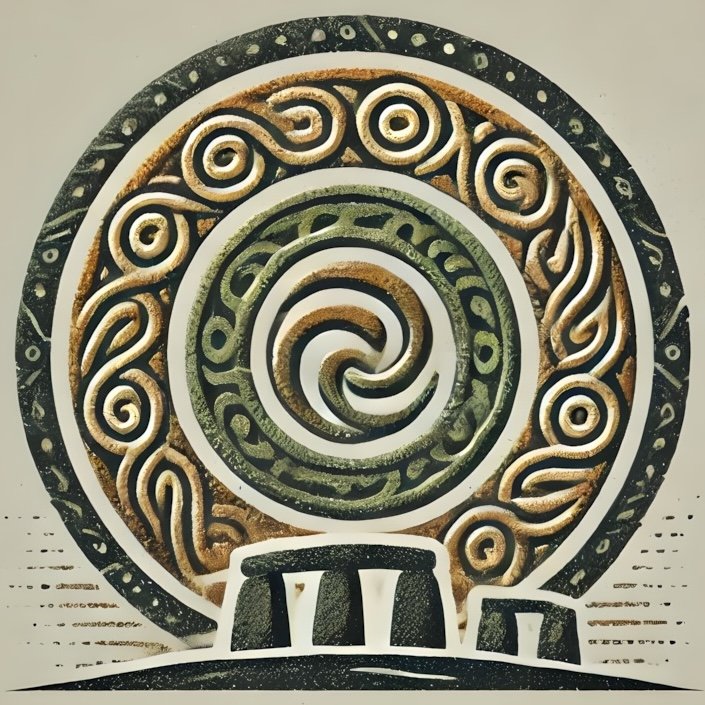

Impact of Trade on Cultural Practices and Technologies
Introduction
Trade has always been a powerful catalyst for cultural exchange, influencing societies in profound ways. In the context of Irish prehistory, the movement of goods and people across the seas and land routes not only shaped economic practices but also transformed cultural identities, social structures, and technological advancements. This exploration delves into the multifaceted impact of trade on cultural practices and technologies, particularly focusing on how these exchanges informed the myths and landscapes of ancient Ireland.
The Dynamics of Trade in Prehistoric Ireland
In prehistoric Ireland, trade networks were established long before the advent of written history. Archaeological findings suggest that the Irish engaged in trade with neighboring regions, including Britain, continental Europe, and even as far as the Mediterranean. These exchanges involved not only the barter of goods such as metals, textiles, and foodstuffs but also the sharing of ideas, beliefs, and technologies.
Goods and Materials
The materials traded had a significant impact on cultural practices. For instance, the introduction of bronze metallurgy through trade with the continent marked a transformative period in Irish society. The arrival of bronze tools and weapons revolutionized agriculture and warfare, leading to changes in social hierarchies and community organization. As communities gained access to superior materials, the production of intricate jewelry and ceremonial objects flourished, reflecting a sophisticated understanding of artistry and craftsmanship.
The Role of Sea Routes
The maritime trade routes surrounding Ireland played a crucial role in cultural exchange. The sea was not merely a barrier but a conduit for interaction. The Irish Sea and the Atlantic Ocean facilitated the movement of goods and people, allowing for the blending of cultural practices. For example, the influence of Viking traders in the 8th and 9th centuries introduced new artistic motifs and craftsmanship techniques, evident in the intricate designs of metalwork and stone carving that emerged during this period.
Cultural Practices Shaped by Trade
Trade did not merely alter the material culture of Ireland; it also influenced social customs, religious practices, and mythological narratives. The interaction with foreign cultures led to the adoption and adaptation of various practices, resulting in a rich tapestry of cultural identity.
Religious Syncretism
The introduction of new religious ideas through trade routes contributed to the syncretism of beliefs in ancient Ireland. As traders from different cultures interacted with the Irish, they brought with them their deities, rituals, and cosmologies. This blending of beliefs is particularly evident in the archaeological record, where artifacts such as amulets and altars reflect a fusion of indigenous and foreign religious practices. The mythological landscape of Ireland, populated by figures like the Tuatha Dé Danann, was likely influenced by these interactions, incorporating elements from other cultures’ mythologies.
Storytelling and Oral Traditions
The movement of peoples also facilitated the exchange of stories and oral traditions. As traders and travelers shared their experiences, they brought with them tales that would intertwine with Irish folklore. The narratives of heroes, gods, and mythical creatures were enriched by the diverse influences of trade, leading to a more complex understanding of identity and belonging. The interplay of these stories with the Irish landscape—mountains, rivers, and ancient sites—created a cultural geography that resonated deeply with the people, shaping their worldview and sense of place.
Technological Advancements Through Trade
The impact of trade on technology in prehistoric Ireland cannot be overstated. As communities engaged with external cultures, they adopted new technologies that transformed their way of life.
Metallurgy and Craftsmanship
The arrival of metalworking techniques through trade significantly advanced Irish craftsmanship. The transition from stone tools to bronze and later iron tools allowed for more efficient farming, hunting, and crafting. The knowledge of alloying and smelting, acquired through contact with other cultures, led to the production of superior weapons and tools. This technological leap not only improved daily life but also had implications for social organization, as those who controlled metal resources often held power within their communities.
Agricultural Innovations
Trade also introduced new agricultural practices and crops to Ireland. The exchange of seeds, farming techniques, and livestock breeds from different regions allowed for diversification in agriculture. This not only enhanced food security but also contributed to population growth and the establishment of more complex societal structures. The cultivation of new crops and the introduction of advanced farming tools reflected a dynamic adaptation to the landscape, further intertwining the relationship between people and their environment.
The Influence of Trade on Artistic Expression
Artistic expression in prehistoric Ireland was profoundly influenced by trade. The exchange of goods brought new materials and techniques that enriched the artistic landscape.
Decorative Arts
The influx of exotic materials such as glass, amber, and precious metals spurred innovation in decorative arts. The intricate designs found in jewelry, pottery, and textiles demonstrate a blending of styles and techniques, influenced by trade partners. The motifs and symbols that emerged during this time often carried deeper meanings, reflecting the interconnectedness of culture, identity, and belief systems.
Architectural Developments
Trade also influenced architectural practices in prehistoric Ireland. The construction of monumental structures, such as passage tombs and stone circles, was likely informed by interactions with other cultures. The sharing of building techniques and styles led to the development of unique architectural forms that resonated with the Irish landscape. These structures not only served practical purposes but also held significant cultural and religious importance, marking the landscape with a sense of identity and continuity.
Conclusion
The impact of trade on cultural practices and technologies in prehistoric Ireland is a testament to the dynamic interplay between economy and culture. As communities engaged in trade, they not only exchanged goods but also ideas, beliefs, and innovations that shaped their identities and landscapes. The rich tapestry of Irish mythology, the evolution of technological practices, and the flourishing of artistic expression all bear the marks of this intricate web of cultural exchange. The legacy of these interactions continues to resonate, reminding us of the profound ways in which trade has shaped human history and cultural development.