Druids and Mythology: The Mystical Fabric of Irish Prehistory
The enigmatic figure of the druid occupies a central place in the mythology and cultural memory of ancient Ireland. These priestly figures are woven into the tapestry of Celtic society, embodying wisdom, mysticism, and a profound connection to the natural world. In the context of Irish prehistory, druids served as intermediaries between the human and the divine, their influence stretching across the landscape and into the realms of gods and heroes. This exploration delves into the key Irish mythology associated with druids, focusing on legendary figures such as Amergin and Mog Ruith, and the captivating stories and legends that illustrate their role in the mythic past.
Mythological Druids: Figures of Power and Mystery
Amergin: The Poet of the Milesians
Amergin, a quintessential druid figure, stands as a symbol of the poetic and mystical prowess attributed to these ancient seers. He is best known from the mythological cycle surrounding the arrival of the Milesians, a people said to be the ancestors of the Irish. Amergin, as the chief druid of the Milesians, played a pivotal role in their conquest of Ireland, a land then inhabited by the Tuatha Dé Danann, a supernatural race of gods and heroes.
The legend recounts how Amergin, upon arriving on the shores of Ireland, recited an incantation known as “The Song of Amergin.” This powerful invocation is said to have calmed the tumultuous seas and secured the Milesians’ safe landing. The poem is a profound assertion of unity with the natural world, as Amergin declares his identity with the elements and the landscape, embodying the druidic connection to the earth and its mysteries. Through Amergin, the druid emerges not only as a priest and magician but also as a poet whose words shape reality itself.
Mog Ruith: The Blind Sorcerer
Another intriguing druidic figure is Mog Ruith, whose legends are steeped in magic and mystery. Unlike the more benevolent Amergin, Mog Ruith is often depicted as a fearsome and powerful sorcerer. His name, meaning “slave of the wheel,” alludes to his association with a mystical flying wheel or chariot, a motif that underscores his connection to otherworldly forces.
Mog Ruith’s legends are varied and sometimes contradictory, reflecting the complex nature of druidic mythology. In some tales, he is a blind druid who regains his sight through magical means, while in others, he is a formidable figure capable of shape-shifting and summoning storms. His daughter, Tlachtga, is also a significant figure, associated with the Hill of Ward in County Meath, an ancient ceremonial site. Together, their stories highlight the druid’s role as a master of transformative and elemental magic, bridging the human and divine realms.
Stories and Legends: Druids and the Divine
The Lia Fáil: The Stone of Destiny
One of the most enduring symbols of druidic power in Irish mythology is the Lia Fáil, or Stone of Destiny. This sacred stone, associated with the inauguration of Irish kings, is said to have been brought to Ireland by the Tuatha Dé Danann. According to legend, the stone would roar with approval when the rightful king stood upon it, a testament to the druids’ role in legitimizing and sanctifying rulership.
The Lia Fáil is closely linked to the druids’ ability to communicate with the divine and their guardianship of sacred knowledge. It embodies the idea that the land itself is imbued with spiritual significance, a concept that resonates throughout Irish mythology. The stone’s presence at the Hill of Tara, the traditional seat of the High Kings of Ireland, further underscores its importance in the mythic landscape, where druids acted as custodians of both temporal and spiritual authority.
The Battle of Moytura: Druids in Warfare
The mythological battles of Moytura, fought between the Tuatha Dé Danann and the Fomorians, illustrate the druids’ integral role in warfare and strategy. In these epic conflicts, druids served not only as advisors but also as active participants, wielding their magical abilities to influence the outcome of battles.
One notable tale involves the druid Cathbad, who used his powers to protect the Tuatha Dé Danann by creating a magical fog that concealed their movements. This strategic use of magic highlights the druid’s dual role as both a spiritual leader and a tactical genius. The battles of Moytura, rich in symbolism and drama, reflect the druids’ place in the mythological narrative as shapers of destiny and defenders of their people.
Druids and the Landscape: Sacred Spaces and Rituals
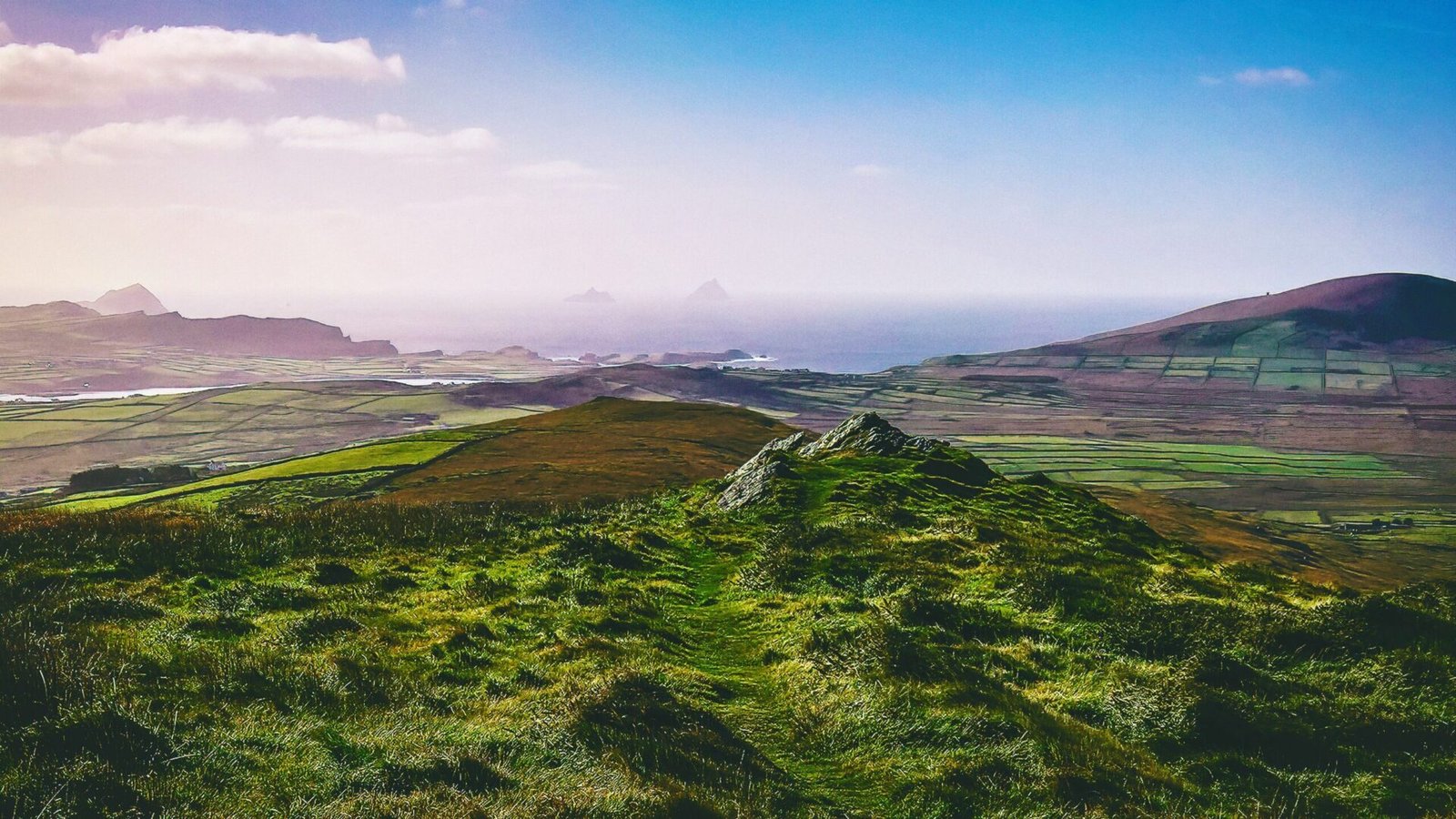
The landscape of Ireland, with its rolling hills, ancient forests, and mysterious stone circles, is inextricably linked to the mythology of the druids. These natural features were not only the backdrop for legendary events but also the stage for druidic rituals and ceremonies.
Sacred groves, known as nemetons, were central to druidic practice. These forest sanctuaries served as places of worship and meditation, where druids could commune with the spirits of nature. The reverence for trees, particularly the oak, is a recurring theme in Celtic mythology, symbolizing strength, wisdom, and endurance. The druid’s deep connection to the natural world is reflected in their role as custodians of these sacred spaces, where the boundaries between the earthly and the divine were most permeable.
Stone circles and standing stones, scattered across the Irish landscape, also bear witness to the druids’ influence. These enigmatic structures, often aligned with celestial events, suggest a sophisticated understanding of astronomy and its significance in ritual practice. The alignment of these stones with the solstices and equinoxes underscores the druids’ role as timekeepers and their attunement to the cycles of nature.
Conclusion: The Enduring Legacy of the Druids
The myths and legends of the druids offer a window into a world where magic and reality intertwine, and where the landscape itself is alive with meaning. Through figures like Amergin and Mog Ruith, and stories of sacred stones and epic battles, the druid emerges as a multifaceted figure—poet, sorcerer, advisor, and guardian of the natural world. Their legacy continues to captivate the imagination, a testament to the enduring power of Irish mythology and its profound connection to the land. As we explore these ancient stories, we are reminded of the timeless allure of the druids and their place in the rich tapestry of Ireland’s mythic past.