The Significance of Natural Features: Rivers, Mountains, and Stones
Introduction to the Natural Landscape
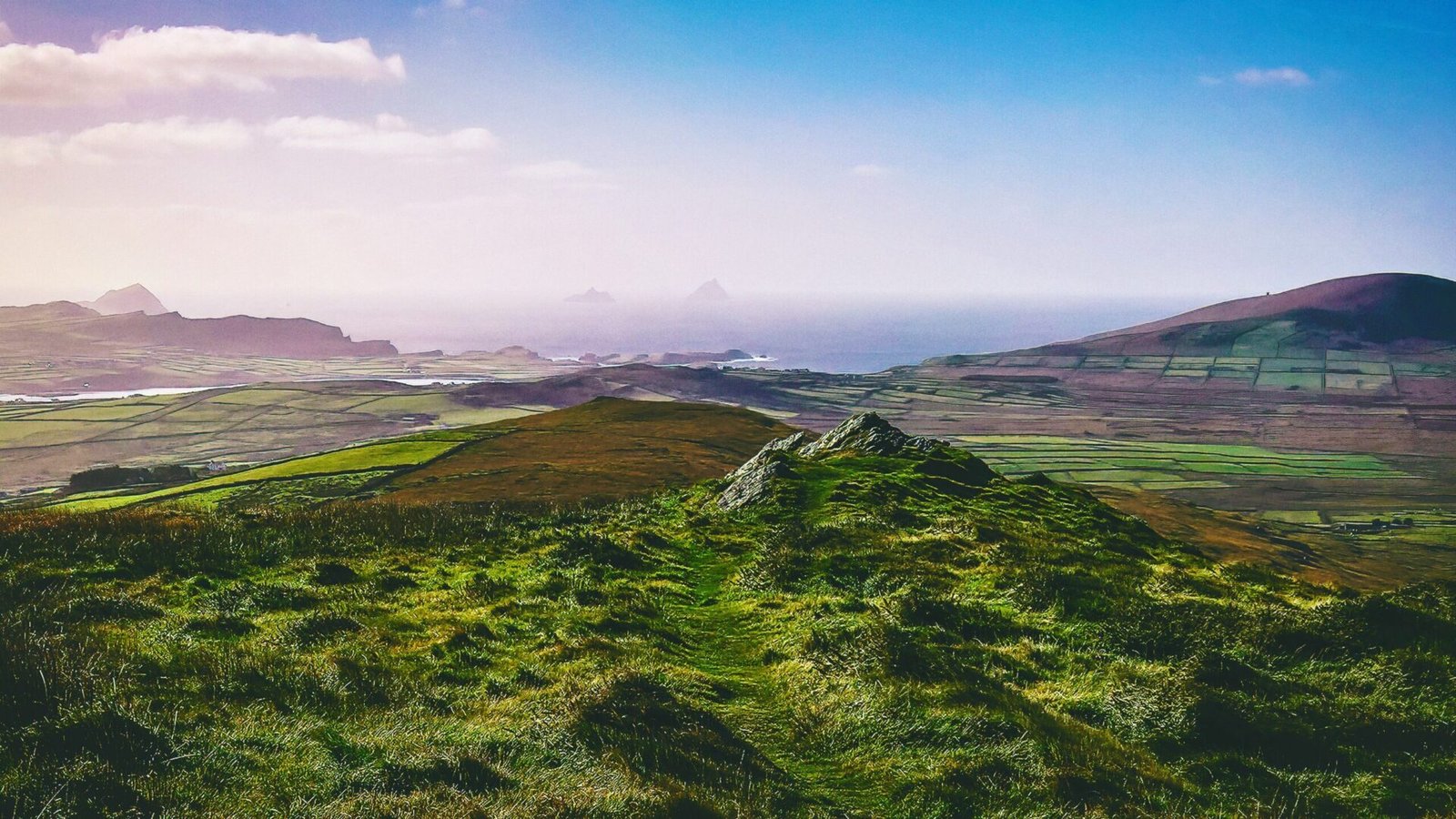
In the verdant tapestry of Irish prehistory, the landscape is not merely a backdrop but a dynamic participant in the unfolding of cultural and spiritual life. The ancient Druids, as custodians of wisdom and intermediaries between the human and the divine, held a profound reverence for the natural world. Rivers, mountains, and stones were not just geographical features; they were imbued with spiritual significance, serving as conduits for myth and mystery. This chapter delves into the symbiotic relationship between the Druids and the landscape, exploring how these natural features were woven into the fabric of Irish mythology and belief.
Rivers: Lifeblood of the Land
Rivers in Ireland have long been seen as the arteries of the land, pulsing with life and energy. To the Druids, rivers were sacred, often personified as deities or spirits. The River Boyne, for instance, was more than a body of water; it was Boann, a goddess of fertility and inspiration. Her mythological narrative speaks of creation and transformation, themes central to Druidic thought. Rivers were believed to possess healing properties, their waters used in rituals of purification and renewal. They also served as boundaries, both physical and metaphysical, demarcating territories and realms of influence.
The Shannon, Ireland’s longest river, was revered as a source of wisdom and knowledge. According to legend, the goddess Sinann sought the well of wisdom guarded by the salmon of knowledge. Her quest led to the river’s creation, symbolizing the flow of insight and inspiration. For the Druids, the waters of the Shannon were a reminder of the interconnectedness of all things, a theme echoed in the fluidity of water itself.
Mountains: Pillars of the Earth
Mountains, with their imposing presence, have always captivated the human imagination. In the Druidic tradition, they were seen as sacred spaces, places where the earth meets the sky. The ancient Irish believed that mountains were the abodes of gods and spirits, their peaks touching the divine. Croagh Patrick, known as the Reek, is one such mountain steeped in myth. It was here that the god Lugh was said to have held court, and later, St. Patrick would fast for forty days, blending pagan and Christian traditions.
The Mourne Mountains, with their rugged beauty, were also significant in Druidic lore. They were considered the home of the Tuatha Dé Danann, a race of supernatural beings who played a central role in Irish mythology. The mountains were seen as places of power, where the veil between worlds was thin, making them ideal sites for rituals and ceremonies. The Druids viewed these towering formations as symbols of stability and endurance, reflecting the eternal nature of the cosmos.
Stones: Guardians of Memory
Stones, whether standing solitary or arranged in circles, were revered by the Druids as repositories of memory and markers of sacred space. The megalithic structures scattered across Ireland, such as Newgrange and the stone circles of Carrowmore, are testament to the ancient peoples’ veneration of stone. These monuments were not merely architectural feats but were imbued with symbolic meaning, aligning with celestial events and serving as portals to the otherworld.
The Lia Fáil, or Stone of Destiny, is perhaps the most famous of these stones. Located on the Hill of Tara, it was believed to roar when the rightful king of Ireland stood upon it. This stone was a symbol of sovereignty and the divine right to rule, a tangible connection between the earthly and the spiritual realms. For the Druids, stones were not lifeless objects but living entities, holding the stories and wisdom of generations past.
The Interplay of Myths and Landscape
The myths surrounding these natural features are not isolated tales but are intricately linked to the landscape itself. The stories of rivers, mountains, and stones are woven into the geography of Ireland, creating a tapestry of myth and reality. The Druids, as keepers of these stories, understood that the landscape was a living entity, its features imbued with the spirits of gods and ancestors.
The interplay between myths and landscape is evident in the story of the Cailleach, the ancient hag goddess associated with winter and the land. She is said to have shaped the hills and valleys with her staff, her presence a reminder of the cyclical nature of life and the enduring power of the earth. The Druids saw in these myths a reflection of their own beliefs, a testament to the sacredness of the natural world.
The Legacy of the Druids
The legacy of the Druids and their relationship with the landscape continues to resonate in modern Ireland. The reverence for natural features, the respect for the earth, and the recognition of the interconnectedness of all things are values that persist in contemporary Irish culture. The myths and stories that have been passed down through generations serve as a reminder of the enduring bond between people and the land.
In exploring the significance of rivers, mountains, and stones, we glimpse the world through the eyes of the Druids, a world where the landscape is alive with meaning and possibility. These natural features are not mere relics of the past but are integral to understanding the rich tapestry of Irish prehistory and its connection to myth and the landscape. The Druids, with their profound wisdom and reverence for the natural world, offer us a timeless perspective on the sacredness of the earth and our place within it.