Origins and Composition of the Fianna
The Fianna, a legendary band of warriors in ancient Irish folklore, occupy a unique and compelling space in the tapestry of Irish prehistory. Rooted in a rich tradition of myth and legend, the Fianna are more than just a collection of warriors; they are emblematic of a time when the lines between myth and reality were beautifully blurred, and stories served as both entertainment and moral compass. To understand the Fianna is to delve into the heart of Irish cultural identity, exploring themes of heroism, loyalty, and the ever-present connection between the people and their landscape.
Historical Context of the Fianna
The Fianna are often depicted in the Fenian Cycle, a collection of poems and tales from early Irish literature. These stories, passed down through generations, offer a glimpse into the societal structures and values of ancient Ireland. While the historical accuracy of these tales is debated, they are believed to reflect the warrior bands that existed in Ireland during the early medieval period. These bands, or “fian,” were composed of young, landless men who lived by hunting and raiding, often serving as a semi-independent military force for the ruling kings.
The Fianna were particularly associated with the third-century High King, Cormac mac Airt, a figure who straddles the line between history and myth. Under his reign, the Fianna are said to have flourished, serving both as protectors and as a mobile force that could be called upon in times of war. This dual role highlights the complex social structure of ancient Ireland, where allegiances were fluid, and power was often decentralized.
Key Figures and Leaders
Among the many figures associated with the Fianna, none is more prominent than Fionn mac Cumhaill, the legendary leader whose exploits form the backbone of the Fenian Cycle. Fionn, whose name means “fair” or “bright,” is not just a warrior but a figure of wisdom and prophecy. His origin story is as captivating as the adventures that follow, with tales of his upbringing by two wise women, Bodhmall and Liath Luachra, who taught him the arts of survival and combat.
Fionn’s acquisition of the Salmon of Knowledge is a pivotal moment in his legend. According to the tale, Fionn inadvertently gains all the knowledge of the world by tasting the salmon’s flesh, a gift that sets him apart as a leader and a seer. This story underscores the importance of wisdom and foresight, qualities that are as valued as physical prowess in the lore of the Fianna.
Other notable figures include Diarmuid Ua Duibhne, famed for his tragic love affair with Gráinne, and Oisín, Fionn’s son, whose journey to the otherworldly land of Tír na nÓg is one of the most enduring tales of Irish mythology. These characters, with their rich narratives, contribute to the complex tapestry of the Fianna, each bringing their own strengths and flaws to the fore.
The Role of the Landscape
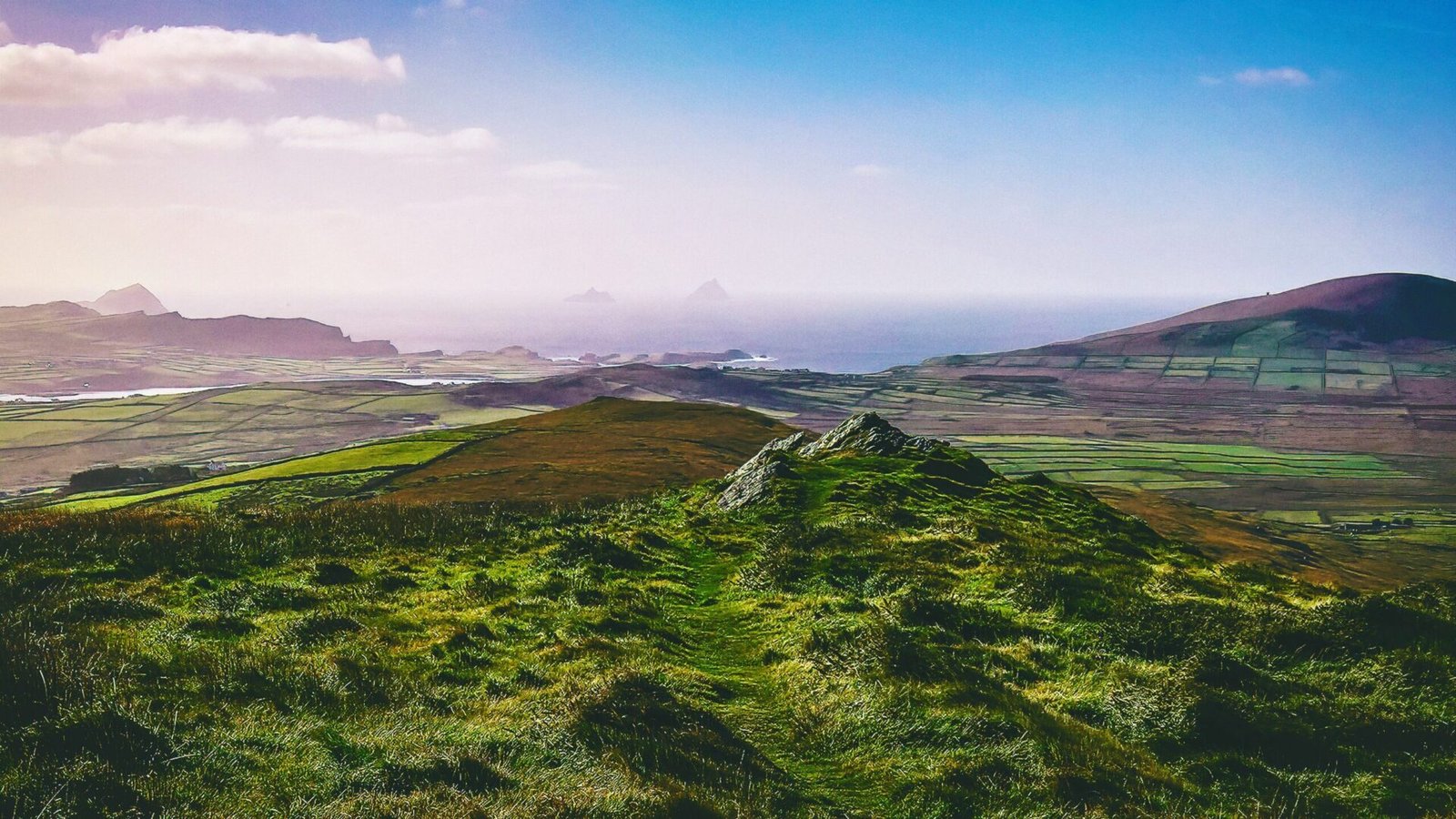
The Fianna’s stories are deeply intertwined with the Irish landscape, which serves as both backdrop and character in their tales. The rolling hills, dense forests, and mystical waterways of Ireland are not merely settings but active participants in the narrative. The landscape shapes the Fianna’s adventures, offering both challenges and sanctuary, and reinforcing the deep connection between the people and their environment.
The significance of the landscape is perhaps best illustrated in the tale of the “Chase of Sídh Fionnachaidh,” where the Fianna pursue a magical deer across the country, encountering various supernatural beings and challenges along the way. This story, like many others, emphasizes the belief in a world where the natural and supernatural coexist, and where the land itself is imbued with magic and mystery.
The Fianna and Irish Identity
The tales of the Fianna have endured through the centuries, evolving and adapting to the changing cultural landscape of Ireland. In the 19th and early 20th centuries, during the Celtic Revival, the Fianna were embraced as symbols of Irish nationalism and cultural pride. Their stories were seen as a link to a heroic past, a source of inspiration for a nation seeking to assert its identity and independence.
The Fianna’s legacy is also evident in the modern landscape, with numerous sites across Ireland claiming connections to their stories. From the Hill of Tara, said to be the seat of Fionn’s kingship, to the Cave of Kesh, where Diarmuid and Gráinne are said to have taken refuge, these locations serve as tangible connections to the mythic past, drawing visitors and pilgrims alike.
The Evolution of the Fianna Mythos
Over time, the stories of the Fianna have been retold and reimagined, reflecting the values and concerns of each era. In medieval manuscripts, such as the “Acallam na Senórach” (Colloquy of the Ancients), the tales are recounted with a Christian overlay, integrating the pagan past with the Christian present. This synthesis of traditions highlights the adaptability of the Fianna mythos, its ability to resonate with audiences across different contexts and beliefs.
In contemporary culture, the Fianna continue to inspire, appearing in literature, film, and popular media. Their stories, with their themes of adventure, loyalty, and the quest for knowledge, remain relevant, offering timeless lessons and insights into the human condition.
In exploring the origins and composition of the Fianna, we uncover not only the stories of legendary heroes but also the enduring spirit of a people deeply connected to their land and their past. The Fianna, with their blend of history and myth, serve as a testament to the power of storytelling and its ability to shape and define cultural identity.