Rathcroghan: A Mythological Nexus
Rathcroghan, a sprawling archaeological complex in County Roscommon, Ireland, is a landscape steeped in myth and history. This ancient site, known as Cruachan in Old Irish, serves as a portal to the past, where the lines between myth and reality blur. Rathcroghan is not merely a collection of mounds and earthworks; it is a testament to the rich tapestry of Irish prehistory and its enduring connection to mythological narratives. Among these, the Táin Bó Cúailnge and the legendary figure of Queen Medb stand out, weaving a narrative that is as compelling today as it was in antiquity.
Connection to the Táin Bó Cúailnge
The Táin Bó Cúailnge, often translated as “The Cattle Raid of Cooley,” is one of the most significant epics in Irish mythology. Rathcroghan is intimately connected to this tale, serving as the starting point for the epic saga. The story revolves around a great cattle raid led by Queen Medb of Connacht, who sought to steal the prized brown bull of Cooley to match her husband Ailill’s wealth. This epic is not just a tale of conflict and heroism; it is a reflection of the societal values and the cultural landscape of ancient Ireland.
Rathcroghan’s role in the Táin is pivotal. It is here that Queen Medb convened her forces, setting the stage for the legendary conflict. The landscape itself, with its rolling hills and ancient mounds, seems to echo the footsteps of the warriors who once gathered here. The site serves as a tangible link to the myth, grounding the fantastical elements of the story in a real-world setting. Visitors to Rathcroghan can almost hear the clamor of preparations, the rallying cries of warriors, and the distant lowing of cattle, bringing the ancient narrative to life.
Queen Medb: A Regal Presence
Queen Medb, or Maeve, is a central figure in the mythology surrounding Rathcroghan. Her presence looms large over the landscape, embodying the power and complexity of female sovereignty in ancient Ireland. Medb is not a mere mythological character; she is a symbol of authority, ambition, and the intricate dynamics of power.
Medb’s association with Rathcroghan is multifaceted. As the purported capital of her kingdom, Rathcroghan was the heart of her realm, a place where she exercised her rule and orchestrated her ambitions. The site is said to house her burial mound, known as Miosgán Medb, a testament to her enduring legacy. Medb’s character is a study in contrasts—fierce yet strategic, commanding yet deeply human. Her story, intertwined with the landscape of Rathcroghan, offers insights into the societal structures and gender roles of the time.
Significance in the Context of the Connacht Kings
Rathcroghan’s significance extends beyond its mythological associations; it is a crucial site in the historical narrative of the Connacht kings. As a royal complex, it served as a center of power and governance, a place where kings were inaugurated and important decisions were made. The site is a testament to the political and cultural importance of Connacht in ancient Ireland.
The kings of Connacht, like Medb, were figures of considerable influence, and Rathcroghan was the stage upon which their power was displayed. The archaeological remains, including ringforts, burial mounds, and ceremonial sites, speak to the site’s role as a hub of activity and authority. These remnants offer a glimpse into the lives of the people who once inhabited this landscape, their customs, and their interactions with the mythological narratives that shaped their world.
The Landscape as a Living Myth
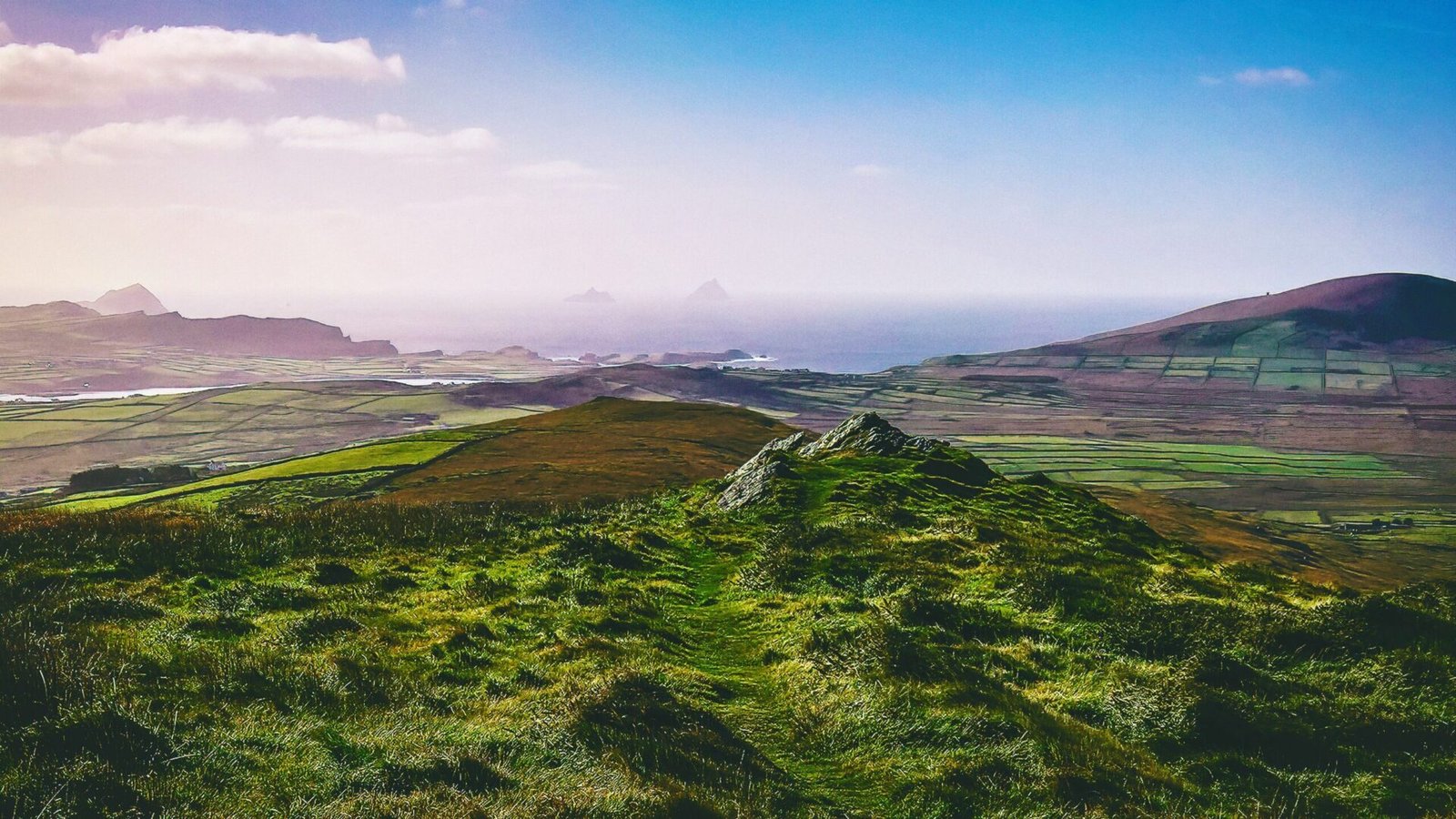
Rathcroghan is more than a historical site; it is a living myth, a place where the past and present coexist. The landscape itself is imbued with stories, each mound and hollow whispering tales of gods, heroes, and ancient peoples. The interplay between the physical and the mythological is a defining feature of Rathcroghan, making it a unique site of cultural heritage.
The complex is home to over 240 archaeological sites, each with its own story to tell. From the enigmatic Oweynagat, or “Cave of the Cats,” considered a gateway to the Otherworld, to the imposing Rathcroghan Mound, the landscape is a tapestry of myth and history. These sites invite exploration and contemplation, offering visitors a chance to connect with the ancient past in a deeply personal way.
The Enduring Legacy of Rathcroghan
Rathcroghan’s legacy is one of continuity and connection. It is a place where the stories of the past are not merely preserved but actively engaged with. The site’s enduring appeal lies in its ability to bridge the gap between the ancient and the modern, offering insights into the cultural and mythological foundations of Ireland.
In contemporary times, Rathcroghan continues to inspire and captivate. It is a site of pilgrimage for those seeking to connect with their heritage, a place of learning for scholars and enthusiasts, and a source of inspiration for artists and storytellers. The myths and legends associated with Rathcroghan are not relics of a bygone era; they are living narratives that continue to shape the cultural landscape of Ireland.
As we explore Rathcroghan, we are reminded of the power of myth to transcend time and space, to connect us with our ancestors, and to illuminate the complexities of the human experience. In the rolling hills and ancient mounds of Rathcroghan, the past is ever-present, inviting us to listen, learn, and engage with the stories that have shaped our world.