Mythological Connections: Uisneach
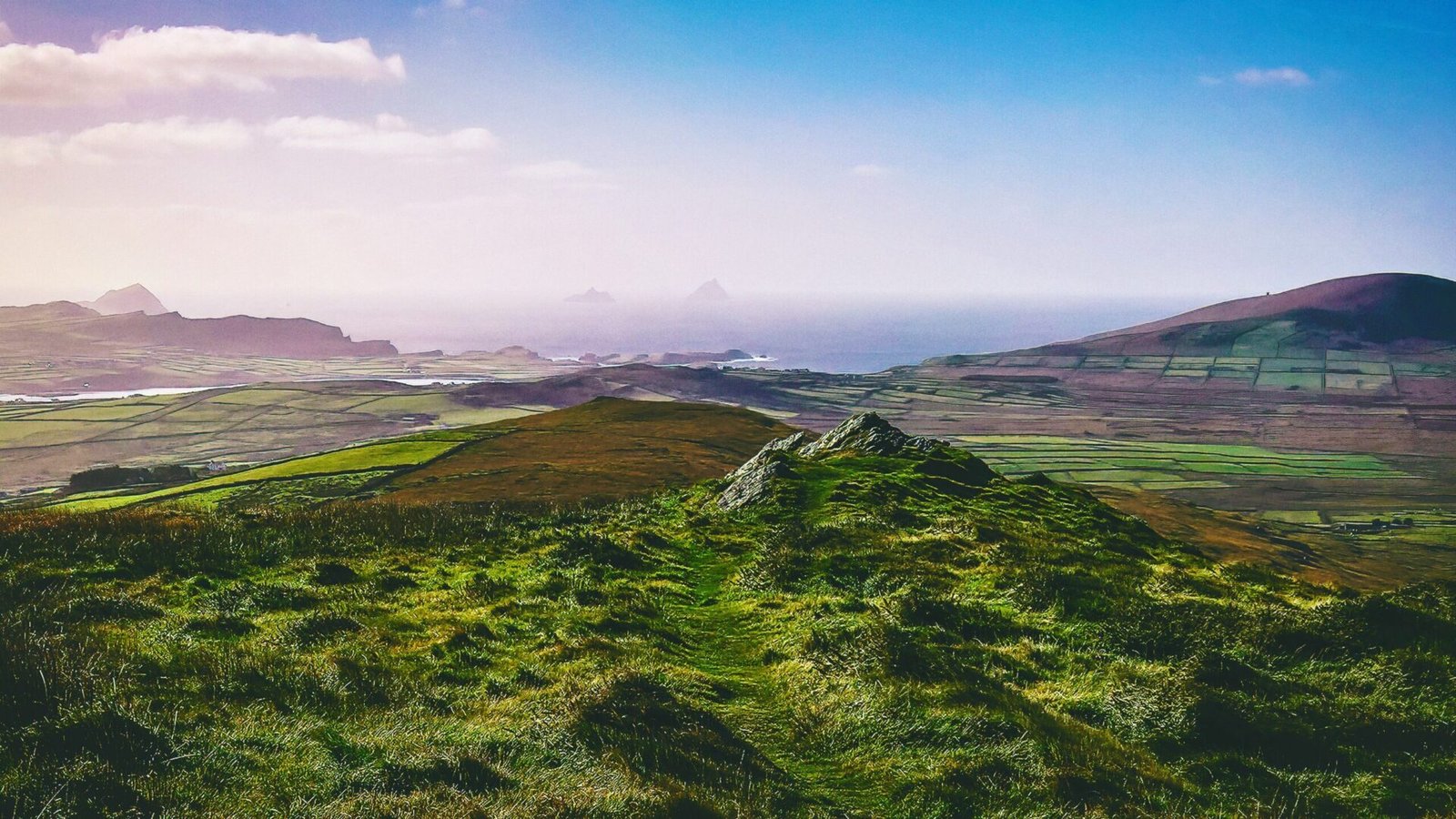
Nestled in the heart of Ireland, the Hill of Uisneach stands as a testament to the rich tapestry of myth and history that defines the Irish landscape. This ancient site, often referred to as the “navel of Ireland,” is not just a geographical center but a spiritual and cultural one, deeply entwined with the myths of the Tuatha Dé Danann and the goddess Ériu. Its significance extends beyond its physical presence, reaching into the realms of legend and tradition, particularly through its association with the festival of Bealtaine.
Association with the Goddess Ériu and the Myth of the Tuatha Dé Danann
The Hill of Uisneach is intrinsically linked to the goddess Ériu, one of the three sister goddesses after whom Ireland is named. Ériu, along with her sisters Banba and Fódla, is a sovereignty goddess, embodying the spirit and essence of the land itself. The mythological narrative tells of the Tuatha Dé Danann, a supernatural race of deities and heroes, who arrived in Ireland and encountered these goddesses. Ériu, in particular, is said to have granted her name to the island, symbolizing a deep connection between the land and its divine protectors.
Uisneach is often considered the ceremonial center of the Tuatha Dé Danann, a place where the earthly and the otherworldly intersect. It is here that Ériu is believed to have been honored, her presence a constant reminder of the sacredness of the land. The Tuatha Dé Danann, known for their magical prowess and wisdom, are said to have used Uisneach as a gathering place, a site where they could commune with the gods and draw upon the earth’s mystical energies. This connection between Uisneach and the Tuatha Dé Danann underscores the hill’s role as a focal point of spiritual power and mythological significance.
Connection to the Ancient Festival of Bealtaine
The festival of Bealtaine, marking the beginning of summer, is one of the most significant Celtic festivals, and Uisneach plays a central role in its celebration. Traditionally held on May 1st, Bealtaine is a time of purification and transition, when the veil between the worlds is thin, and the forces of nature are at their most potent. At Uisneach, this festival was marked by the lighting of great fires, a practice that symbolized the return of the sun and the renewal of life.
The Bealtaine fires at Uisneach were not merely a local custom but a national event, with flames visible for miles around, igniting a network of fires across the country. This ritual served both a practical and symbolic purpose, purifying the land and its people while also reinforcing the bonds of community and tradition. The lighting of the fires at Uisneach was believed to invoke the protection of the gods, particularly the sun god Belenus, ensuring fertility and prosperity for the coming year.
The festival of Bealtaine at Uisneach is a vivid example of how myth and landscape are intertwined in Irish prehistory. The hill’s central location and its association with the divine made it an ideal site for such a significant celebration, one that continues to capture the imagination and inspire modern revivals of ancient traditions.
The Sacred Landscape of Uisneach
Beyond its mythological associations, Uisneach is a landscape imbued with sacred meaning. The hill is dotted with ancient monuments and earthworks, each with its own story and significance. The most famous of these is the Cat Stone, or Ail na Míreann, a massive limestone boulder said to mark the meeting point of Ireland’s five provinces. This stone is often associated with the goddess Ériu and is considered a symbol of unity and sovereignty.
The landscape of Uisneach is also home to numerous other features, such as ring forts, burial mounds, and cairns, each contributing to the site’s rich archaeological tapestry. These structures are not merely remnants of the past but are integral to the mythological narrative of Uisneach, serving as physical manifestations of the stories and traditions that have shaped the hill’s history.
The sacred landscape of Uisneach is a testament to the enduring power of myth and its ability to shape our understanding of the world. It is a place where the past and present coexist, where the stories of the Tuatha Dé Danann and the goddess Ériu continue to resonate, inviting us to explore the mysteries of Ireland’s ancient heritage.
Uisneach in Modern Times
Today, Uisneach remains a site of cultural and spiritual significance, attracting visitors from around the world who seek to connect with its mythological roots. The revival of the Bealtaine festival at Uisneach is a testament to the enduring appeal of this ancient tradition, drawing people together to celebrate the changing seasons and the timeless stories that define the Irish landscape.
Modern interpretations of Uisneach’s mythology continue to evolve, reflecting contemporary understandings of identity, heritage, and spirituality. The hill serves as a powerful reminder of the ways in which myth and landscape are intertwined, offering insights into the beliefs and practices of our ancestors while also inspiring new generations to explore the rich tapestry of Irish prehistory.
In exploring Uisneach, we are invited to delve into the heart of Ireland’s mythological past, to uncover the connections between the land and its stories, and to celebrate the enduring legacy of a site that continues to captivate and inspire. The Hill of Uisneach stands as a beacon of Ireland’s mythological heritage, a place where the ancient and the modern converge, inviting us to explore the mysteries of the past and the possibilities of the future.