Themes of Nature and Landscape: Interconnections between the Fianna, Cú Chulainn, and the Otherworld
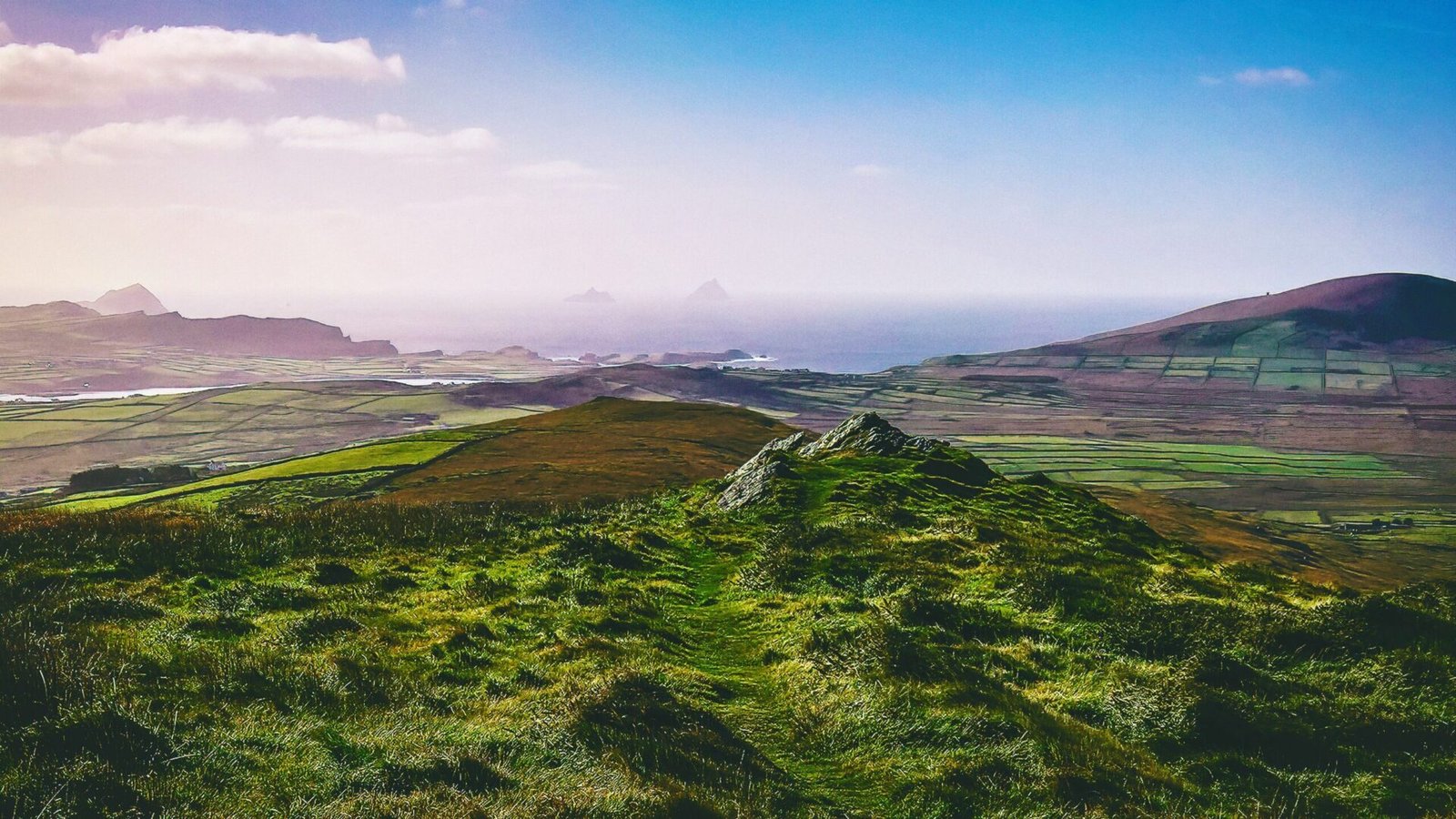
The lush, rolling landscapes of Ireland are more than mere backdrops to the ancient tales of the Fianna and Cú Chulainn; they are vibrant characters in their own right, intricately woven into the fabric of myth and legend. The interplay between the natural world and these legendary figures reveals profound insights into the Celtic worldview, where the boundaries between the physical and spiritual realms blur, and the land itself pulses with life and magic.
The Natural Landscape as a Reflection of Myth
The Irish landscape, with its mist-clad mountains, verdant forests, and shimmering lakes, is deeply interwoven with the myths of the Fianna and Cú Chulainn. These stories often reflect the land’s untamed beauty and serve as a testament to the Celts’ profound connection with their environment. The Fianna, a band of warrior-hunters led by the legendary Fionn mac Cumhaill, are frequently depicted traversing these wild terrains, their exploits echoing the rugged majesty of the land itself.
The narratives of Cú Chulainn, the hero of the Ulster Cycle, are similarly steeped in the natural world. His legendary battles often take place in evocative landscapes that mirror the intensity and drama of his deeds. The Táin Bó Cúailnge, or “The Cattle Raid of Cooley,” is a prime example, where the rolling hills and dense forests of Ulster form the backdrop for epic confrontations. These settings are not mere stage sets but active participants in the stories, their features shaping the events and the destinies of the characters.
The Role of Animals and Nature in Myth
Animals and elements of nature hold significant symbolic power in the tales of the Fianna and Cú Chulainn, often serving as messengers or omens. In the stories of the Fianna, the stag is a recurring motif, symbolizing both the hunt and the untamed spirit of the wilderness. Fionn mac Cumhaill’s encounters with deer often lead to moments of transformation or revelation, underscoring the deep interconnection between humans and nature.
Cú Chulainn’s relationship with animals is equally profound. His transformation into a fearsome hound, from which he derives his name, highlights the fluid boundaries between human and animal realms. This metamorphosis is emblematic of the Celtic belief in shapeshifting and the permeability of identity. Furthermore, the Morrígan, a shape-shifting goddess associated with fate and war, frequently appears in animal form, her presence a harbinger of doom or victory.
The natural elements themselves—rivers, trees, stones—are imbued with life and agency. Sacred groves and wells serve as portals to the Otherworld, where heroes like Cú Chulainn and the Fianna might encounter supernatural beings and receive guidance or challenges. The landscape is thus a living tapestry, its features resonant with mythic significance.
The Otherworld and the Landscape
The concept of the Otherworld is central to Irish mythology, a realm that exists parallel to the physical world, accessible through certain sacred sites in the landscape. These portals often take the form of ancient mounds, stone circles, or mist-covered lakes, places where the veil between worlds is thin.
For the Fianna, the Otherworld is a place of adventure and peril, where they encounter gods, spirits, and magical creatures. The landscape itself acts as a guide, leading them to these liminal spaces where the ordinary laws of nature are suspended. Cú Chulainn, too, navigates this mystical terrain, his journeys often taking him to the brink of the Otherworld, where he encounters otherworldly foes and allies.
The interplay between the natural world and the Otherworld reflects a deep-seated belief in the interconnectedness of all things. The landscape is not merely a physical space but a spiritual one, where every hill, river, and tree holds the potential for enchantment and transformation.
The Symbolism of Water and Stone
Water and stone are particularly potent symbols in these myths, representing both the permanence and the fluidity of the natural world. Rivers and lakes are often depicted as thresholds to the Otherworld, their depths concealing hidden realms and entities. In the tale of the Children of Lir, the sea becomes both a prison and a place of transformation, its waves echoing the themes of loss and redemption.
Stones, on the other hand, symbolize endurance and memory. Standing stones and dolmens are seen as markers of ancient wisdom, their presence a reminder of the enduring connection between the past and present. In the stories of the Fianna, stones often serve as landmarks or sites of power, their solidity contrasting with the ever-changing landscape.
The Seasons and the Cycle of Life
The cyclical nature of the seasons is another key theme in these myths, reflecting the eternal cycle of life, death, and rebirth. The changing landscape, from the blossoming of spring to the barrenness of winter, mirrors the heroes’ journeys and the inevitable passage of time. Festivals such as Samhain and Beltane are woven into the narratives, marking the transitions between worlds and the renewal of life.
For the Fianna, the seasons dictate their movements and actions, their lives attuned to the rhythms of the natural world. Cú Chulainn’s exploits, too, are often aligned with seasonal changes, his battles and quests reflecting the dynamic interplay of light and darkness, growth and decay.
The Legacy of Myth and Landscape
The enduring power of these myths lies in their ability to capture the essence of the Irish landscape and its intrinsic connection to the human experience. The tales of the Fianna and Cú Chulainn are more than stories of heroism and adventure; they are profound meditations on the relationship between people and the land they inhabit.
In exploring these themes, we gain a deeper understanding of the Celtic worldview, where nature is not a passive backdrop but an active participant in the drama of life. The landscape, with its beauty and mystery, continues to inspire and resonate, its stories a testament to the timeless interplay between myth and reality. As we walk the ancient paths and gaze upon the same hills and rivers that have witnessed these legendary tales, we are reminded of the enduring power of nature and its capacity to shape and reflect the human soul.