Use of Pigments and Paints in Irish Prehistory: Artistic Techniques and Materials
In the lush landscapes of Ireland, where ancient myths intertwine with the natural world, the use of pigments and paints has played a vital role in expressing cultural narratives and spiritual beliefs. The rich tapestry of Irish prehistory is woven with stories told through art, where pigments serve not merely as colors but as vessels of meaning, identity, and connection to the land. This exploration delves into the artistic techniques and materials used by prehistoric peoples in Ireland, revealing how pigments and paints were integral to their creative expression.
The Origins of Pigments in Prehistoric Ireland
Pigments have been used since the dawn of human creativity, with evidence of their use dating back to the Paleolithic era. In Ireland, the earliest known pigments were derived from natural sources. Ochres, made from iron oxide, provided a range of earthy tones, while charcoal and soot offered deep blacks. These materials were often ground into fine powders and mixed with binders such as animal fat or plant resins to create paint-like substances.
The significance of these pigments extended beyond aesthetics; they were imbued with cultural meaning. For instance, ochre was not just a color but a symbol of life and fertility, often associated with rituals and burial practices. Archaeological findings from sites like Newgrange and Knowth reveal that these pigments were used in elaborate burial chambers, suggesting a connection between color, identity, and the afterlife.
Techniques of Application: From Rock Art to Ceramics
The application of pigments in prehistoric Ireland took various forms, ranging from rock art to pottery decoration. One of the most striking examples of early artistic expression is found in the petroglyphs of the Boyne Valley, where intricate carvings are adorned with traces of red ochre. These markings likely served both decorative and ritualistic purposes, connecting the living with their ancestors and the spiritual realm.
In addition to rock art, pigments were employed in the decoration of ceramics. The Neolithic period saw the emergence of pottery, which was often embellished with painted designs. The use of slip—a liquid mixture of clay and water—allowed for the application of colored patterns, enhancing the visual appeal of everyday objects. These decorative techniques not only showcased artistic skill but also reflected social identity and community cohesion.
Symbolism and Meaning in Color
Colors in prehistoric Ireland were laden with symbolism, and their meanings often varied across different cultures and contexts. Red, for example, was frequently associated with blood, life, and vitality, while black could signify death or the unknown. White, on the other hand, was often linked to purity and the divine. The choice of color in artistic expression was thus a deliberate act, conveying complex narratives that transcended mere representation.
The use of color in burial practices further illustrates this point. Archaeological evidence suggests that bodies were sometimes adorned with ochre before burial, a practice believed to facilitate the transition into the afterlife. The colors chosen for these rituals were likely a reflection of the deceased’s social status, beliefs, and the community’s collective memory.
The Role of Mythology in Artistic Expression
Irish mythology, rich with tales of gods, heroes, and supernatural beings, profoundly influenced the artistic practices of prehistoric peoples. The landscapes of Ireland, dotted with sacred sites and ancient monuments, served as a canvas for these narratives. The use of pigments and paints in this context was not merely decorative; it was a way to inscribe mythological stories onto the land itself.
For instance, the ancient site of Tara, believed to be the seat of the High Kings of Ireland, is steeped in mythological significance. The use of color in the rituals performed at such sites likely enhanced the experience of the myths being enacted, creating a multisensory connection between the people, their stories, and the landscape. The colors used in these rituals may have been chosen for their symbolic resonance, reinforcing the themes of power, divinity, and the cyclical nature of life and death.
The Influence of Landscape on Color Choices
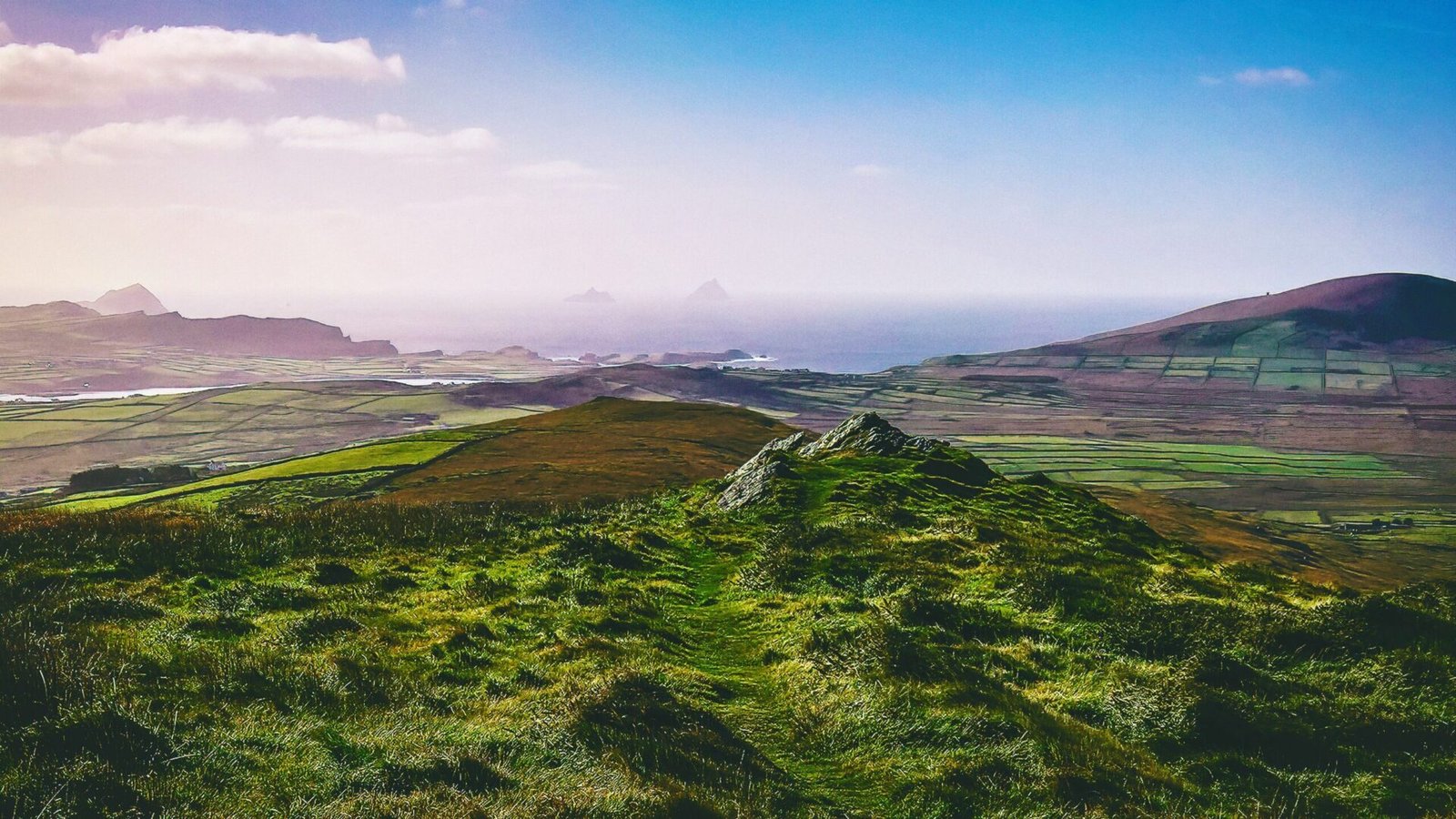
The natural environment of Ireland has always influenced the choice of pigments and paints. The landscape, with its rolling hills, vibrant flora, and dramatic coastlines, provided a rich palette of colors. The availability of natural materials dictated the hues that could be achieved, leading to a unique aesthetic that reflected the local environment.
For example, the lush greens of the Irish countryside could inspire the use of plant-based dyes, while the rich browns and reds of the earth offered a range of ochres. The interplay between landscape and color created a sense of place that was deeply embedded in the artistic practices of prehistoric communities. This connection to the land not only informed their artistic choices but also reinforced their cultural identity.
Preservation and Legacy of Pigment Use
The preservation of pigments and paints from prehistoric times is a testament to the ingenuity of early artists. While many pigments have faded or been lost to time, some remarkable examples have survived, offering insights into the artistic techniques and materials used by our ancestors. The study of these remnants has revealed much about the social and cultural contexts in which they were created.
Contemporary artists and archaeologists continue to explore these ancient practices, seeking to understand the significance of color in prehistoric art. By examining the materials and techniques employed by early Irish artists, we gain a deeper appreciation for their creativity and the ways in which they expressed their relationship with the world around them.
Conclusion: The Enduring Power of Color
The use of pigments and paints in Irish prehistory is a fascinating subject that intertwines art, culture, and mythology. Through the exploration of colors, techniques, and meanings, we uncover the rich tapestry of human experience and expression. As we continue to study and celebrate these ancient practices, we honor the legacy of those who came before us, ensuring that their stories and connections to the landscape endure for generations to come.