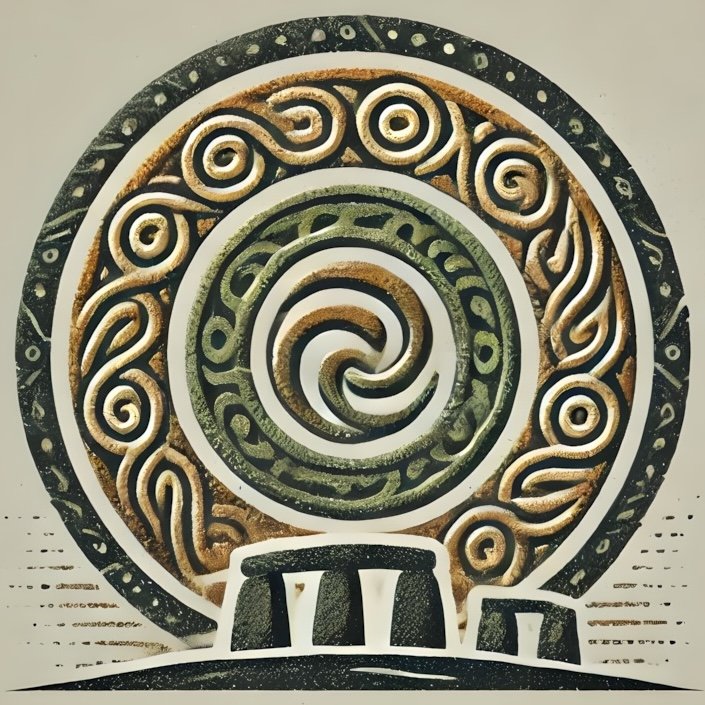

Carving and Engraving Methods in Irish Prehistory
Carving and engraving are ancient artistic techniques that have played a significant role in the cultural expression of societies throughout history. In the context of Irish prehistory, these methods not only reflect the artistic sensibilities of the time but also serve as a vital link to understanding the myths, beliefs, and landscapes that shaped early Irish civilization. This pillar page explores the various carving and engraving methods employed by prehistoric Irish artisans, the materials they used, and the cultural significance of their work.
The Art of Carving
Carving is the process of shaping materials by cutting, chipping, or scraping away portions to create a desired form or design. In prehistoric Ireland, this technique was predominantly applied to wood, stone, and bone, each medium offering unique challenges and opportunities for artistic expression.
Wood Carving
Wood was one of the most accessible materials for early Irish artisans. The dense forests of Ireland provided an abundant supply of timber, which was used for both functional and decorative purposes. Carved wooden objects, such as bowls, utensils, and totems, often featured intricate designs that reflected the natural world or mythological themes.
The techniques employed in wood carving varied from simple hand tools to more complex methods involving chisels and knives. The use of decorative motifs, such as spirals and geometric patterns, was prevalent, often symbolizing the interconnectedness of life and nature. The craftsmanship of these wooden artifacts not only showcases the skill of the artisans but also provides insight into the spiritual beliefs of the time, as many carvings were imbued with symbolic meaning.
Stone Carving
Stone carving represents one of the most enduring forms of artistic expression in Irish prehistory. The use of stone allowed for the creation of durable and monumental works, such as megalithic tombs, standing stones, and intricate stone crosses. The methods of stone carving were labor-intensive, requiring skilled artisans to employ tools made from harder stones or metal to chip away at the material.
The Neolithic period saw the emergence of impressive stone carvings, particularly in the Boyne Valley, where sites like Newgrange and Knowth feature elaborate engravings. These carvings often depict spirals, zigzags, and other abstract forms, which some scholars believe may represent celestial phenomena or serve as markers of territory. The act of carving stone was not merely a practical endeavor; it was a spiritual one, as many of these sites were aligned with astronomical events, suggesting a deep connection between the physical landscape and the cosmos.
Bone and Antler Carving
In addition to wood and stone, prehistoric Irish artisans also utilized bone and antler for carving. These materials were often sourced from animals hunted for food, thus integrating utility with artistry. Carved bone and antler objects, such as combs, tools, and decorative items, were often adorned with intricate designs, showcasing the artisans’ skill and creativity.
The techniques used in bone carving involved scraping and incising, allowing for fine details that could not be achieved with coarser materials. The resulting artifacts often featured motifs reminiscent of the natural world, including animals and plants, reflecting the close relationship between the prehistoric Irish people and their environment.
Engraving Techniques
Engraving, distinct from carving, involves incising designs onto a surface to create images or patterns. This technique was particularly prominent in the decoration of metal objects and stone surfaces in prehistoric Ireland.
Metal Engraving
The introduction of metalworking during the Bronze Age marked a significant evolution in artistic techniques. Engraving on metal artifacts, such as weapons, jewelry, and ceremonial objects, became a prevalent practice. Artisans employed tools like chisels and gravers to create intricate designs, often featuring motifs that echoed the natural world or mythological narratives.
The use of gold and bronze allowed for a level of detail and refinement that was previously unattainable. The famous gold lunulae and torcs found in burial sites across Ireland exemplify the sophisticated engraving techniques of the time. These objects not only served as status symbols but also carried symbolic meanings, often associated with power, protection, and the divine.
Stone Engraving
Stone engraving in prehistoric Ireland is exemplified by the numerous petroglyphs and carvings found on standing stones and rock art sites. These engravings often depict abstract symbols, animals, and human figures, providing a glimpse into the beliefs and practices of prehistoric communities.
The methods of stone engraving varied, with some artisans using hammer stones to create deep incisions, while others employed more refined techniques to achieve delicate designs. The placement of these engravings in the landscape—often on prominent rock faces or near sacred sites—suggests that they held significant cultural and spiritual importance, possibly serving as markers for rituals or as memorials for the deceased.
Symbolism and Cultural Significance
The carvings and engravings of prehistoric Ireland are rich with symbolism, often reflecting the beliefs, myths, and values of the communities that created them. Many of the motifs found in these artworks are thought to represent concepts such as fertility, the cycle of life, and the interconnectedness of all living things.
Mythological Connections
Irish mythology is deeply intertwined with the landscape, and the carvings and engravings serve as a tangible link to these ancient stories. For instance, the spirals and circular motifs found at sites like Newgrange are often interpreted as representations of the sun and the cycles of nature, echoing the themes of rebirth and renewal prevalent in Irish myths.
The association of certain symbols with specific deities or mythological figures further emphasizes the role of carving and engraving as a means of storytelling. As these artisans etched their beliefs into stone and wood, they created a visual language that communicated their understanding of the world and their place within it.
The Landscape as Canvas
The very landscape of Ireland served as a canvas for prehistoric artists. The choice of materials and locations for carving and engraving often reflected a deep connection to the natural environment. Many sites were chosen for their visibility or their alignment with celestial events, suggesting that the act of carving was not only an artistic endeavor but also a spiritual practice that honored the land and its mysteries.
The enduring nature of these carvings and engravings allows us to glimpse the thoughts and beliefs of those who lived thousands of years ago. As we explore the methods and meanings behind these ancient artworks, we gain a deeper appreciation for the rich tapestry of Irish prehistory and the enduring legacy of its artistic traditions.