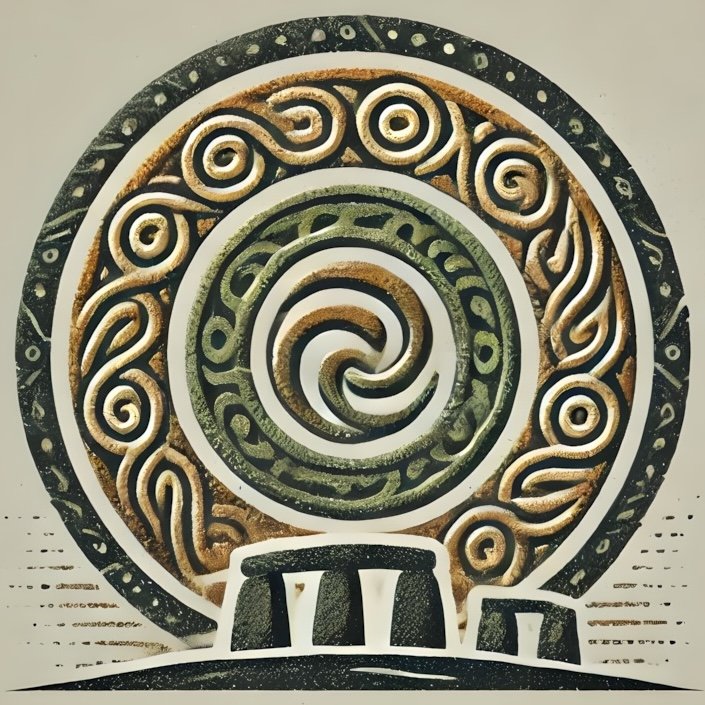

Natural Materials Used in Art: Stone, Bone, and Wood
In the rich tapestry of Irish prehistory, the landscape is not merely a backdrop but a canvas that has been shaped by the hands of its inhabitants. The ancient artists of Ireland harnessed the raw beauty of their environment, employing natural materials such as stone, bone, and wood to create works that resonate with both aesthetic and spiritual significance. This exploration of natural materials in art reveals not only the techniques employed but also the deep connections between the landscape, mythology, and the human experience.
Stone: The Enduring Medium
Stone has long been revered as one of the most durable and versatile materials in the artistic repertoire. In Ireland, the use of stone dates back to the Neolithic period, where megalithic structures like Newgrange and the dolmens served as both artistic expressions and sacred sites. The artistry of these structures is evident in their intricate carvings and alignments, which reflect a profound understanding of astronomy and the changing seasons.
Carving Techniques
The techniques employed in stone carving were both labor-intensive and skillful. Artists used tools made from harder stones, such as flint, to chip away at softer stones like limestone or sandstone. The process required not only physical strength but also a deep understanding of the material’s properties. The resulting carvings often depicted geometric patterns, spirals, and motifs that held spiritual significance, echoing themes from the myths that permeated the culture.
Symbolism and Spirituality
In Irish mythology, stone is imbued with symbolic meaning. The standing stones, often associated with ancient rituals, served as markers of time and space, connecting the earthly realm with the divine. The carvings on these stones are not merely decorative; they are a language of their own, conveying stories of the land, ancestors, and the gods. The interplay between stone and myth reflects a worldview where the physical and spiritual realms are intertwined, a concept that resonates deeply in the Irish psyche.
Bone: The Forgotten Canvas
While stone may be the most enduring of materials, bone offers a more intimate and ephemeral connection to the past. The use of bone in art and tool-making dates back to prehistoric times, with evidence of its application found in various artifacts throughout Ireland. Bone was not only a practical resource but also a medium for artistic expression, revealing insights into the lives and beliefs of ancient peoples.
Crafting with Bone
The crafting of bone artifacts involved a meticulous process of shaping and polishing. Artists utilized tools made from stone to carve and engrave intricate designs onto bone surfaces. Items such as bone combs, pendants, and tools showcase the creativity and skill of these early artisans. The organic nature of bone also allowed for a tactile quality that stone could not replicate, making each piece unique.
Cultural Significance
In many cultures, bone is associated with life, death, and the cycle of existence. In Irish mythology, bones are often linked to ancestral spirits and the afterlife. The use of bone in artistic practices may have served as a way to honor the dead or to invoke the presence of ancestors. This connection to the spiritual realm adds a layer of depth to the artworks, transforming them from mere objects into vessels of memory and reverence.
Wood: The Living Material
Wood, as a natural material, brings a different dimension to the artistic landscape. Its availability and versatility made it a favored medium for various forms of expression. From the construction of dwellings to the creation of intricate carvings, wood played a vital role in the daily lives of prehistoric Irish communities.
Techniques of Woodworking
The art of woodworking in ancient Ireland involved a range of techniques, from simple carving to complex joinery. Tools made from stone, antler, and later, metal, were used to shape wood into functional and decorative items. The craftsmanship involved in creating wooden artifacts, such as bowls, weapons, and ceremonial objects, reflects a deep understanding of the material and its properties.
Myth and Nature
Wood is often seen as a symbol of life and growth, embodying the cycles of nature. In Irish mythology, trees hold a sacred place, with certain species believed to be inhabited by spirits. The oak, ash, and yew, for example, are associated with various deities and myths. The act of carving wood into art could be viewed as a way of engaging with these natural spirits, bridging the gap between the human and the divine.
The Interplay of Materials and Myth
The use of stone, bone, and wood in Irish art is not merely a reflection of available resources; it is a dialogue between the materials and the myths that permeate the landscape. Each medium carries its own set of meanings and associations, shaping the way ancient peoples interacted with their environment.
The Landscape as a Canvas
The natural landscape of Ireland is itself a work of art, with its rolling hills, ancient forests, and rugged coastlines serving as both inspiration and backdrop for artistic expression. The choice of materials often reflects a deep connection to the land. For instance, the use of local stone in megalithic structures speaks to a sense of place and identity, while the carving of bone and wood reflects the intimate relationship between humans and their environment.
Art as a Narrative
Art in prehistoric Ireland served as a narrative device, telling stories that transcended time. The carvings on stones, the engravings on bone, and the intricate designs on wooden artifacts all contribute to a larger tapestry of myth and memory. These artworks are not isolated creations; they are part of a continuum that connects past and present, weaving together the threads of history, culture, and spirituality.
Conclusion
The exploration of natural materials in art—stone, bone, and wood—reveals a profound relationship between the ancient peoples of Ireland and their environment. Through their artistry, they not only expressed their creativity but also engaged with the myths and spiritual beliefs that shaped their understanding of the world. The enduring legacy of these materials continues to resonate, inviting us to reflect on our own connections to the landscape and the stories it holds.