
The Purpose of Art in Ritual and Social Contexts
Art has long been a vessel for human expression, a means to convey emotions, beliefs, and narratives that transcend the limitations of language. In the context of megalithic art, particularly within Irish prehistory, the purpose of art extends beyond mere aesthetic enjoyment; it is deeply intertwined with ritualistic practices and social structures. This exploration of the purpose of art in ritual and social contexts reveals the profound connections between creativity, spirituality, and community life in ancient societies.
Art as a Medium of Ritual Expression
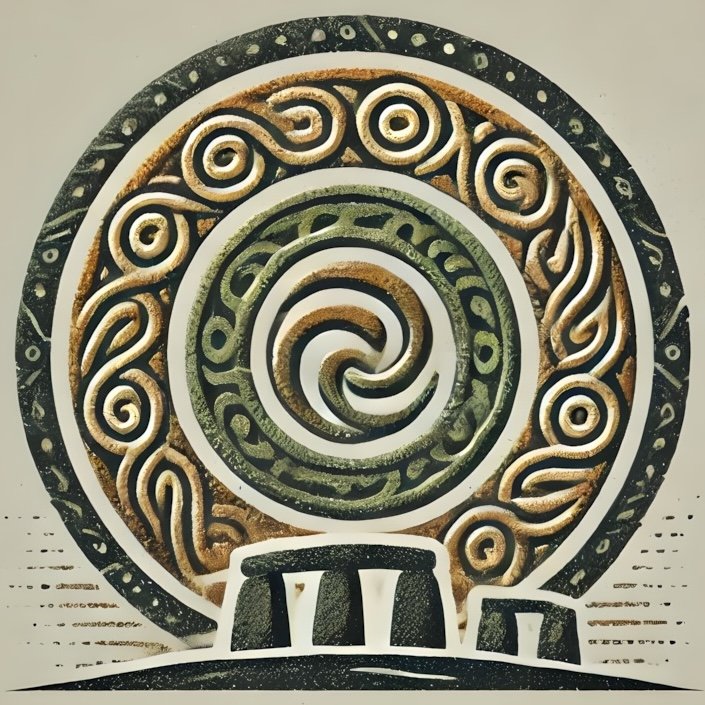
In prehistoric Ireland, megalithic art—found on stone structures such as passage tombs, standing stones, and burial mounds—served as a significant medium for ritual expression. These artworks often depict intricate carvings, spirals, and symbols that are believed to hold spiritual significance. The act of creating art in these contexts was not simply a form of decoration; it was a ritualistic endeavor that connected the creators to their beliefs and the cosmos.
The placement of megalithic art within sacred spaces underscores its ritualistic purpose. For instance, the carvings found at Newgrange, one of Ireland’s most famous passage tombs, align with the winter solstice sunrise, suggesting that the art was intended to mark significant astronomical events. This alignment indicates a deep understanding of celestial cycles and reflects the community’s relationship with the natural world. In this way, art becomes a conduit for spiritual connection, allowing individuals to engage with the divine and the mysteries of existence.
Social Cohesion and Identity
Art also plays a crucial role in fostering social cohesion and identity within communities. In prehistoric societies, where survival often depended on collaboration and shared beliefs, art served as a unifying force. The creation of megalithic structures and the accompanying artworks would have required collective effort, reinforcing social bonds among community members. The shared experience of participating in the creation of these monumental works likely fostered a sense of belonging and identity.
Moreover, the motifs and symbols used in megalithic art often reflect the values, beliefs, and narratives of the society that produced them. By depicting shared myths and ancestral stories, these artworks helped to solidify cultural identity and transmit knowledge across generations. The imagery carved into stone served as a visual language, communicating the community’s worldview and reinforcing social norms.
The Role of Art in Ancestor Worship
In many prehistoric cultures, including those in Ireland, ancestor worship played a significant role in spiritual practices. Megalithic art often reflects this reverence for the dead, with tombs serving as both burial sites and places of worship. The intricate carvings found within these tombs may have been intended to honor ancestors and facilitate communication with the spirit world.
The act of creating art in these contexts can be seen as a form of homage to the deceased. By adorning burial sites with symbolic imagery, communities sought to ensure that their ancestors were remembered and revered. This practice not only honored the dead but also reinforced the community’s connection to its lineage and history. The art thus becomes a bridge between the living and the dead, allowing for a continuous dialogue across generations.
Art as a Tool for Social Hierarchy
While art often unites communities, it can also reflect and reinforce social hierarchies. In megalithic societies, the commissioning and creation of monumental art may have been reserved for the elite or those in positions of power. The grand scale of megalithic structures and the complexity of their artworks suggest that they were not merely communal endeavors but also expressions of status and authority.
The presence of elaborate carvings and the construction of large burial mounds for certain individuals indicate a stratified society where art was used to signify power and influence. In this context, art becomes a tool for social differentiation, marking the distinction between the elite and the common populace. The ability to commission and create significant artworks would have conferred prestige, further entrenching social hierarchies.
The Interplay of Art, Myth, and Landscape
In Irish prehistory, the relationship between art, myth, and landscape is particularly noteworthy. The megalithic structures are often situated in specific geographical locations that hold mythological significance. The landscapes themselves become canvases for storytelling, with the art serving as a visual representation of the myths that permeate the culture.
For instance, many megalithic sites are associated with local legends and deities, imbuing the landscape with spiritual meaning. The art carved into these stones often reflects these narratives, depicting scenes from mythology or symbols associated with specific gods and goddesses. This interplay between art, myth, and landscape underscores the interconnectedness of human experience, where the physical world is infused with cultural significance.
The Evolution of Artistic Purpose
As societies evolved, so too did the purpose of art within ritual and social contexts. While the early megalithic art of prehistoric Ireland was primarily focused on spiritual and communal expression, later periods saw shifts in artistic purpose. With the advent of new belief systems, such as Christianity, the function of art transformed, adapting to the changing cultural landscape.
In this evolution, art continued to serve as a means of communication, but its messages and symbols adapted to reflect new ideologies. The transition from pagan to Christian iconography illustrates how art can be both a reflection of and a response to societal change. This adaptability of art highlights its enduring significance in human culture, as it continues to evolve while retaining its core purpose of expressing beliefs, values, and identity.
Conclusion
The purpose of art in ritual and social contexts is a multifaceted exploration that reveals the intricate connections between creativity, spirituality, and community. In the realm of megalithic art, we find a rich tapestry of meaning that transcends time, inviting us to engage with the beliefs and practices of those who came before us. Through the lens of art, we gain insight into the lives of ancient peoples, their relationships with the divine, and their enduring quest for identity and belonging. As we delve deeper into the world of megalithic art, we uncover not only the aesthetic beauty of these creations but also the profound stories they tell about the human experience.