Differences in Artistic Styles Across Regions
Art, in its myriad forms, serves as a reflection of culture, history, and the human experience. Across the globe, artistic styles vary significantly from one region to another, shaped by local traditions, available materials, and the socio-political landscape. In the context of Irish prehistory, this regional variation in art and symbolism is particularly pronounced, offering insights into the beliefs, values, and environmental interactions of ancient peoples. This exploration delves into the distinctive artistic styles found in various regions, highlighting how geography, culture, and mythology intertwine to create unique expressions of human creativity.
The Celtic Influence in Irish Art
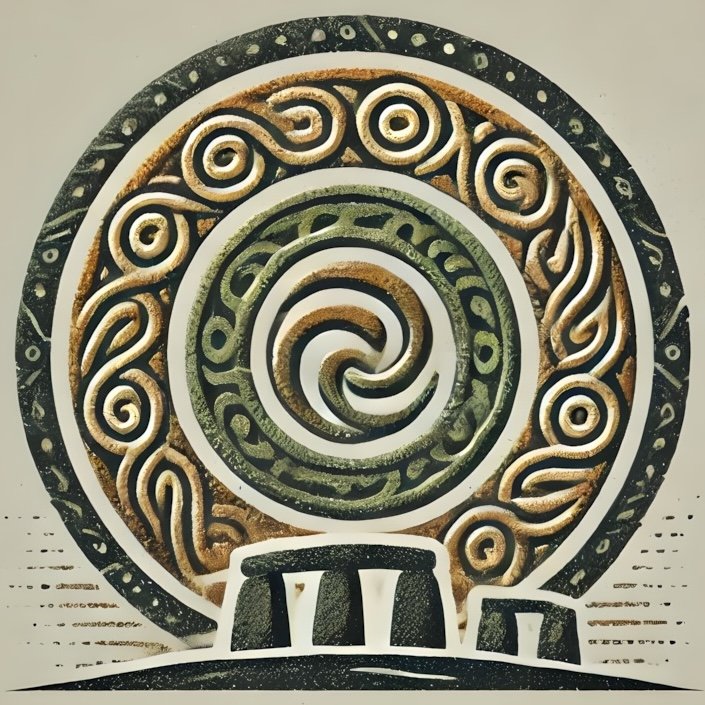
Irish art, particularly during the early medieval period, is heavily influenced by Celtic traditions. Characterized by intricate knotwork, spirals, and zoomorphic designs, Celtic art reflects a deep connection to nature and the spiritual world. The use of vivid colors and elaborate patterns can be seen in illuminated manuscripts, metalwork, and stone carvings. The Book of Kells, a masterpiece of Insular art, showcases the complexity of Celtic design, with its intricate interlacing patterns that seem to transcend the physical realm, inviting viewers into a world of myth and legend.
The spirals and knots are not mere decorative elements; they symbolize eternity and the interconnectedness of life, reflecting the Celtic belief in the cyclical nature of existence. This artistic style is distinct to the British Isles, yet it shares similarities with other Celtic regions, such as Brittany in France and parts of Wales and Scotland, where similar motifs can be found. The regional variations within Celtic art demonstrate how local influences and materials shaped the expression of shared cultural themes.
Prehistoric Art: The Influence of Landscape
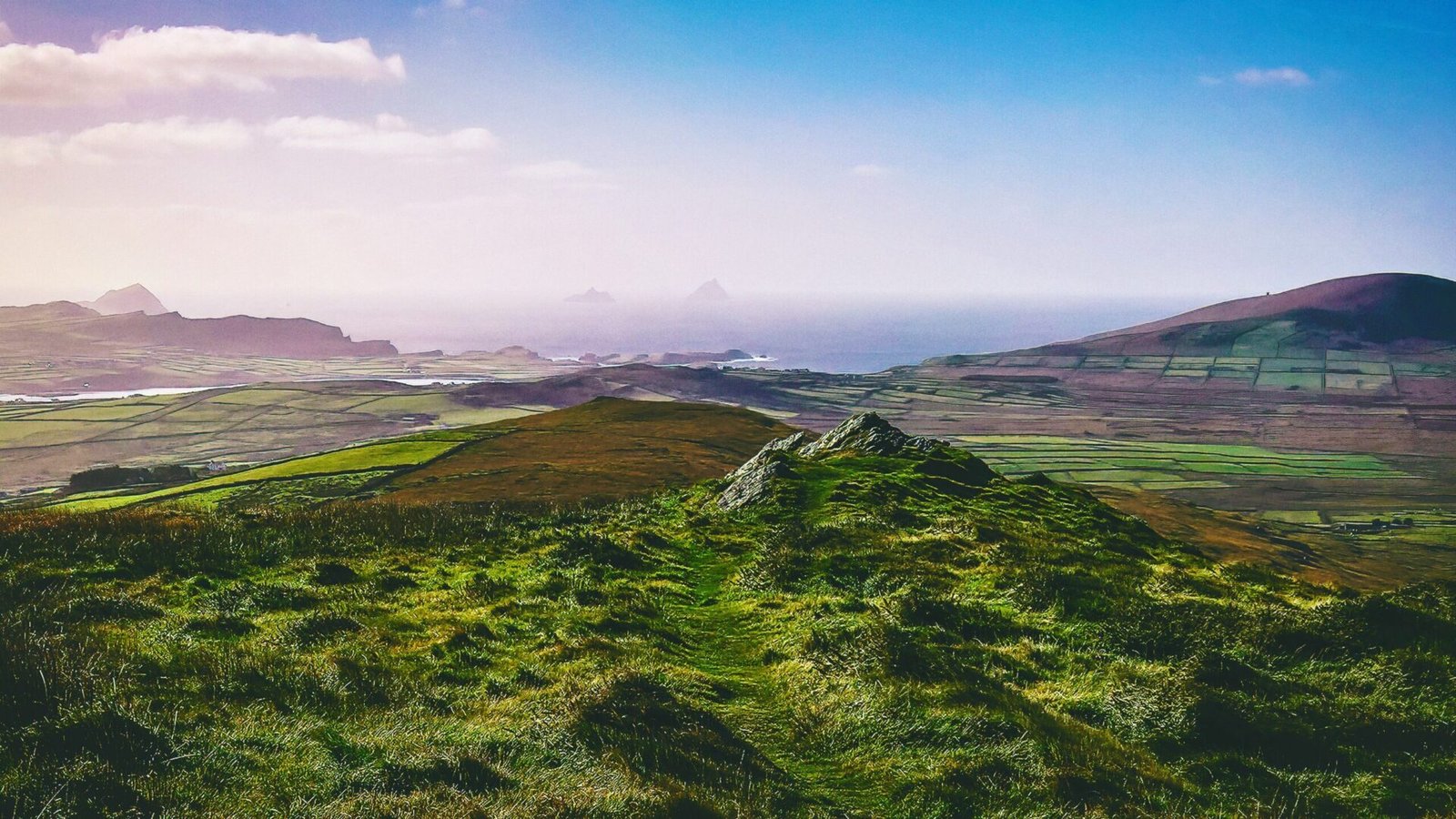
The landscape of Ireland has played a crucial role in shaping its artistic expression. From the Neolithic period, we see the emergence of megalithic structures adorned with carvings that echo the natural world. Sites like Newgrange and Loughcrew feature elaborate stone carvings, including spirals, chevrons, and other geometric patterns. These motifs are not only artistic but also serve as symbols of the cosmos, fertility, and the passage of time, reflecting the ancient Irish people’s deep reverence for the land and its cycles.
In contrast, the artistic styles of other regions, such as the Mediterranean or the Near East, often emphasize human figures and narratives. The differences in focus—nature versus humanity—can be attributed to the varying relationships these cultures had with their environments. In Ireland, the harsh and rugged landscape fostered a spirituality that found expression in abstract forms, while other regions developed more representational art forms that told stories of gods, heroes, and daily life.
The Role of Mythology in Artistic Expression
Mythology serves as a powerful catalyst for artistic expression, providing a narrative framework through which cultures convey their values and beliefs. In Ireland, the rich tapestry of mythological tales, such as those found in the Táin Bó Cúailnge and the stories of the Tuatha Dé Danann, has influenced artistic styles significantly. These myths often feature supernatural beings, heroic figures, and epic battles, which are depicted in various art forms, from stone carvings to metalwork.
The art of the La Tène culture, which thrived in Ireland and other parts of Europe around 500 BCE to the Roman conquest, exemplifies this interplay between mythology and artistry. The intricate designs found on weapons, jewelry, and ceremonial objects often incorporate motifs that reference mythological themes, such as transformation and the duality of life and death. This artistic style, characterized by its fluid lines and organic forms, reflects a worldview deeply intertwined with the supernatural, showcasing how regional variations in art can be influenced by local myths and legends.
Symbolism in Regional Artistic Styles
Symbolism is a vital aspect of artistic expression, providing deeper meanings that resonate with viewers. In Irish art, symbols often draw from the natural world, with motifs representing elements like the sun, moon, and water. For instance, the use of the spiral can symbolize the journey of life, while the triskele, or triple spiral, represents the interconnectedness of land, sea, and sky. These symbols are not unique to Ireland; similar motifs can be found in other Celtic regions, though their interpretations may vary.
In contrast, the art of the Mediterranean region often employs symbols that relate to mythology and human experience. The use of laurel wreaths, for instance, symbolizes victory and honor, while the depiction of gods and goddesses serves to convey cultural values and ideals. The differences in symbolism between regions highlight the diverse ways in which cultures interpret their surroundings and experiences, shaping their artistic expressions accordingly.
The Impact of Trade and Cultural Exchange
Trade and cultural exchange have historically played a significant role in the evolution of artistic styles. In Ireland, the arrival of the Vikings in the 8th century brought new artistic influences, leading to a fusion of styles that can be seen in metalwork and stone carving. The incorporation of Norse motifs, such as animal forms and knotwork, into Irish art exemplifies how external influences can reshape regional styles while still retaining core elements of local tradition.
Similarly, the influence of Christianity on Irish art during the early medieval period led to the emergence of a distinct style that blended Celtic motifs with Christian iconography. This synthesis is evident in the intricate designs of high crosses and illuminated manuscripts, where traditional Celtic patterns are interwoven with biblical themes. Such regional variations demonstrate how art evolves through contact with other cultures, leading to the creation of new styles that reflect a broader narrative of human interaction.
Conclusion: A Tapestry of Artistic Expression
The differences in artistic styles across regions reveal a rich tapestry of human expression shaped by geography, culture, and mythology. In the context of Irish prehistory, the interplay between landscape, mythology, and symbolism creates a unique artistic identity that resonates with the ancient peoples’ beliefs and experiences. As we explore the regional variations in art, we uncover not only the aesthetic qualities of different styles but also the deeper meanings and narratives that connect us to our shared human heritage. Through this lens, we can appreciate the diversity of artistic expression and the ways in which it continues to evolve, reflecting the dynamic interplay between culture and creativity across time and space.