Stone circles, enigmatic remnants of Ireland’s prehistoric past, serve as a captivating testament to the complex interplay between humanity, nature, and the cosmos. These circular arrangements of standing stones, often found in clusters across the Irish landscape, evoke a sense of wonder and curiosity. They stand as silent witnesses to the rituals, beliefs, and communal gatherings of ancient peoples, inviting us to explore their functions, symbolism, and the stories they tell.
Function and Symbolism
The primary function of stone circles in prehistoric Ireland remains shrouded in mystery, yet scholars and archaeologists have proposed various theories regarding their purpose. Most commonly, these circles are believed to have served as ceremonial sites, places of worship, or gathering spots for communal activities. The alignment of the stones often suggests astronomical significance, with many circles oriented towards the rising or setting sun during solstices and equinoxes. This alignment indicates that ancient peoples may have used these sites to mark the passage of time, celebrate seasonal changes, or conduct rituals that aligned with celestial events.
The symbolism embedded in stone circles is rich and multifaceted. The circular shape itself can be interpreted as a representation of eternity and wholeness, reflecting the cyclical nature of life and death. The stones, often chosen for their size and prominence, may symbolize strength and permanence, standing as a testament to the enduring spirit of the communities that erected them. Additionally, the act of gathering within these circles could foster a sense of unity and shared identity among participants, reinforcing social bonds and collective memory.
Notable Examples
Drombeg Stone Circle
One of the most famous stone circles in Ireland is the Drombeg Circle, located in County Cork. Dating back to approximately 1100-800 BCE, Drombeg consists of 13 standing stones arranged in a perfect circle, with a diameter of about 9 meters. The site is particularly renowned for its alignment with the setting sun during the winter solstice, illuminating the central altar stone in a dramatic display of light and shadow.
Drombeg is not merely a stone circle; it is part of a larger complex that includes a fulacht fiadh (a cooking site) and a burial mound. The presence of these additional features suggests that Drombeg was a focal point for various activities, from feasting to ritualistic practices. Archaeological excavations have uncovered evidence of pottery, animal bones, and charcoal, hinting at the communal gatherings that likely took place here. The site’s enduring popularity among visitors today underscores its significance as a cultural landmark, bridging the ancient past with contemporary appreciation for Ireland’s rich heritage.
Beltany Stone Circle
Another remarkable example is the Beltany Stone Circle, located in County Donegal. This site, dating back to around 2000 BCE, features 64 stones arranged in a circular formation, with a diameter of approximately 30 meters. The sheer scale of Beltany is impressive, and its construction reflects the advanced architectural skills of its creators. The stones vary in height, with the tallest reaching over 2 meters, creating a striking visual impact against the backdrop of the surrounding landscape.
Beltany’s alignment with the sun is particularly noteworthy. During the equinoxes, the sun rises directly over the circle, casting long shadows that stretch across the stones. This celestial connection suggests that the site may have been used for astronomical observations, reinforcing the idea that ancient peoples were deeply attuned to the rhythms of nature. The presence of nearby burial mounds and other archaeological features indicates that Beltany was not only a ceremonial site but also a place of remembrance and reverence for ancestors.
Cultural Context and Myths
The significance of stone circles extends beyond their physical presence; they are deeply woven into the fabric of Irish mythology and folklore. Many legends and stories have emerged around these ancient structures, often depicting them as places of magic, transformation, or divine intervention. For instance, some tales suggest that the stones were once giants or magical beings turned to stone as punishment or as a result of their own folly. These narratives reflect the human tendency to imbue the landscape with meaning, creating a rich tapestry of stories that connect the past with the present.
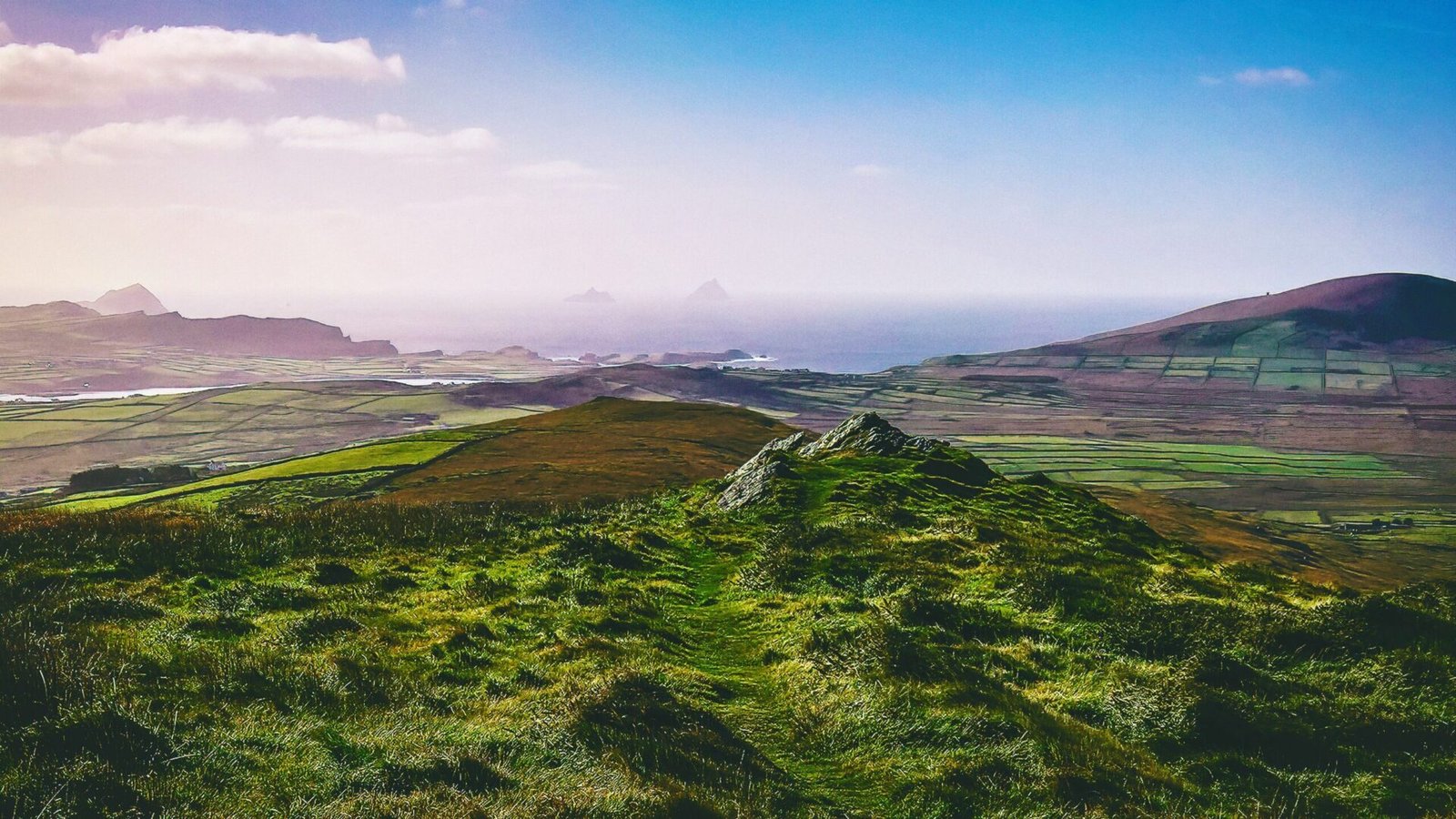
The connection between stone circles and the landscape is particularly poignant in Ireland, where the natural world is often viewed as a living entity imbued with spiritual significance. The positioning of stone circles within the landscape—on hilltops, near rivers, or in open fields—suggests a deliberate choice by their builders to align their sacred spaces with the forces of nature. This relationship between the built environment and the natural world underscores the importance of place in Irish culture, where the landscape itself is often seen as a repository of history, memory, and identity.
Ritual Practices and Community Life
While the specific rituals conducted at stone circles remain largely speculative, it is likely that these sites played a central role in the social and spiritual lives of ancient communities. Gatherings at stone circles may have marked significant life events, such as births, marriages, or funerals, providing a communal space for celebration and mourning. The act of coming together in these sacred spaces would have fostered a sense of belonging and continuity, reinforcing cultural traditions and shared beliefs.
The communal aspect of stone circles is echoed in the archaeological record, which reveals evidence of feasting, offerings, and other ritualistic practices. The presence of animal bones, pottery, and remnants of fires suggests that these gatherings were not only spiritual but also social occasions, where food, drink, and stories were shared. This blend of the sacred and the communal highlights the integral role that stone circles played in the fabric of everyday life, serving as a bridge between the mundane and the divine.
Conclusion
Stone circles stand as enduring symbols of Ireland’s prehistoric past, inviting us to ponder the beliefs, practices, and communal identities of those who came before us. Through their alignment with celestial events, their intricate designs, and their deep connections to the landscape, these ancient structures continue to inspire awe and curiosity. As we explore the rich tapestry of Ireland’s ceremonial sites, stone circles remind us of the profound relationship between humanity, nature, and the mysteries of existence, echoing through the ages in the stories we tell and the landscapes we inhabit.