Sacred Wells and Springs: The Heart of Water Rituals in Irish Prehistory
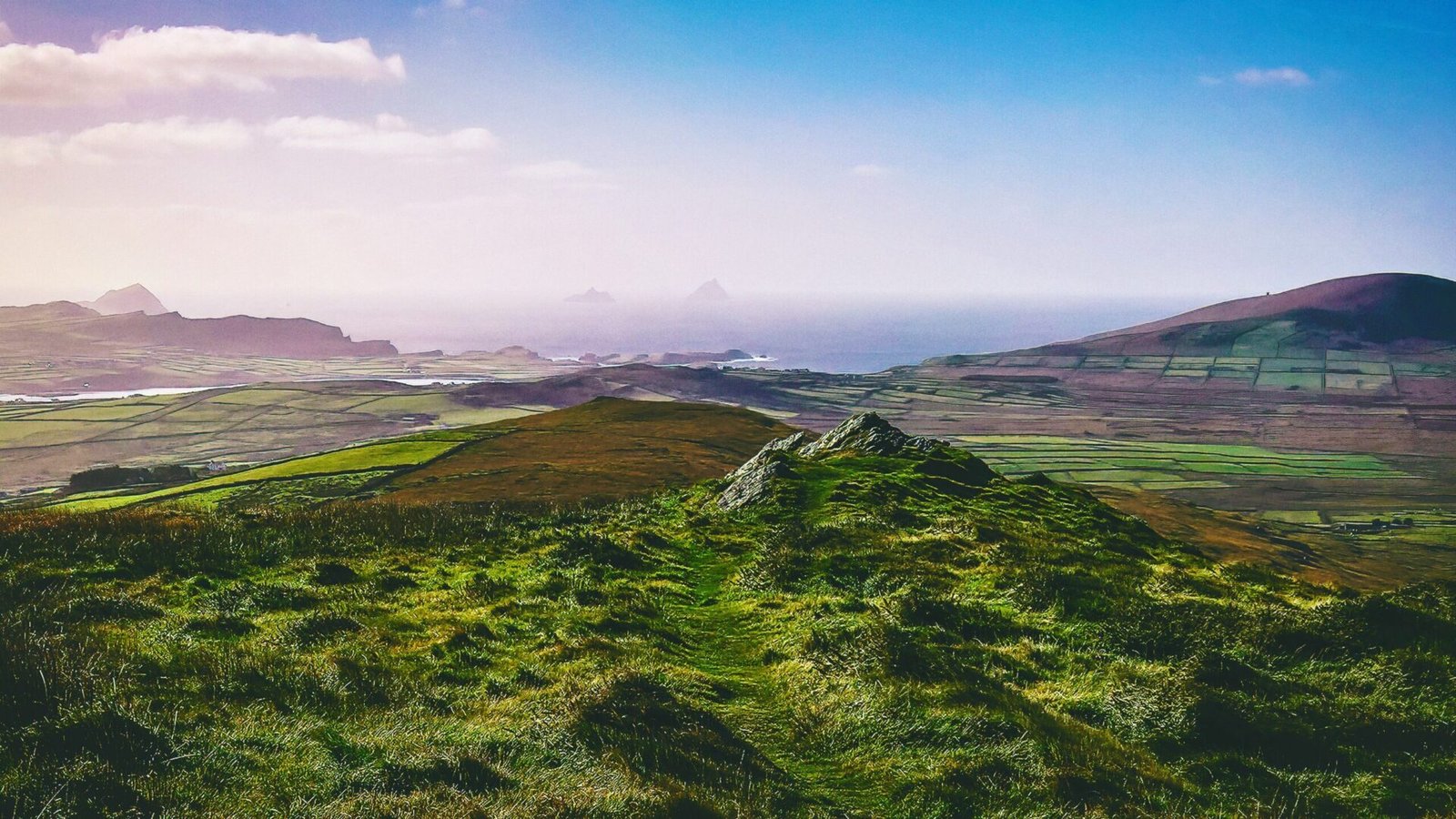
In the lush, verdant landscape of Ireland, where rolling hills meet ancient stone structures, sacred wells and springs emerge as vital components of the spiritual and cultural tapestry of the land. These natural water sources, often nestled in secluded glades or atop windswept hills, have long been revered as sites of healing, divination, and connection to the divine. Their significance extends beyond mere geography; they are imbued with mythological associations and serve as focal points for water rituals that have persisted through the ages.
Role in Water Rituals
Water, in many cultures, is seen as a purifying force, a life-giving element that sustains both body and spirit. In ancient Ireland, sacred wells and springs were no exception. These sites often served as venues for various rituals, from healing ceremonies to rites of passage. The act of immersing oneself in the waters or offering gifts to the spirits residing within was believed to invoke blessings, health, and fertility.
One of the most common rituals associated with sacred wells is the practice of “clocha,” or the act of casting stones into the water. This ritual often accompanied the making of a wish or a prayer, symbolizing the act of sending one’s intentions into the depths of the well. Such practices reflect a deep-seated belief in the power of water as a mediator between the human and the divine, a conduit through which the sacred and the mundane could interact.
Moreover, many sacred wells were dedicated to specific saints or deities, further enriching their spiritual significance. Pilgrims would journey to these sites, often on specific feast days, to partake in communal rituals that reinforced their connection to the land and its spiritual heritage. These gatherings fostered a sense of community and continuity, linking contemporary practices with ancient traditions.
Mythological Associations
The mythology surrounding sacred wells and springs is as rich and varied as the landscape itself. Many wells are named after saints, such as St. Brigid or St. Patrick, who are believed to have performed miracles at these sites. St. Brigid’s Well, located in Kildare, is particularly notable for its association with fertility and healing. Pilgrims often visit this well to seek blessings for childbirth or to cure ailments, leaving behind tokens such as coins or pieces of cloth as offerings.
Beyond Christian associations, many wells are steeped in pre-Christian mythology. The Tuatha Dé Danann, the mythical race of gods and goddesses in Irish lore, are often linked to specific water sources. For instance, the well of Segais is said to be the source of wisdom, where the goddess Brigid is often invoked for inspiration and knowledge. Such connections illustrate the enduring nature of these sites, as they have been woven into the fabric of both pagan and Christian traditions.
The symbolism of water in these myths is profound. Water is often depicted as a source of life, wisdom, and transformation. The well of Cailleach, for example, is associated with the goddess of winter and the cycle of death and rebirth. In this context, sacred wells and springs serve as metaphors for the cyclical nature of existence, embodying the dualities of life and death, healing and harm.
Healing Properties and Folklore
The healing properties attributed to sacred wells are a cornerstone of their significance. Many wells are believed to possess curative powers, particularly for ailments such as eye diseases or infertility. The act of drinking or bathing in the waters was thought to invoke the favor of the spirits residing within, often leading to miraculous recoveries. This belief in the healing power of water is not unique to Ireland; it resonates across cultures worldwide, reflecting a universal understanding of water as a source of life and rejuvenation.
Folklore surrounding these wells often includes tales of miraculous healings or encounters with supernatural beings. Stories abound of individuals who, after visiting a sacred well, experienced profound transformations, whether physical, emotional, or spiritual. These narratives serve to reinforce the wells’ status as liminal spaces, where the boundaries between the ordinary and the extraordinary blur.
Moreover, the ritual of “rounds”—walking around the well in a specific pattern while reciting prayers—further emphasizes the connection between the physical act of pilgrimage and the spiritual journey. This practice not only honors the sacredness of the site but also embodies a deep respect for the ancestral traditions that have shaped the landscape.
Sacred Sites and Landscape
The placement of sacred wells and springs within the landscape is often deliberate, reflecting a deep understanding of the natural world. Many wells are situated near ancient burial sites, stone circles, or other ceremonial landscapes, suggesting that these locations were chosen for their spiritual significance. The interplay between the physical geography and the mythological narratives creates a rich tapestry of meaning, where each element informs and enhances the others.
In some cases, the very act of visiting a sacred well involves traversing a landscape imbued with history and myth. The journey to the well becomes a pilgrimage, a rite of passage that connects individuals to their ancestors and the stories of the land. This relationship between landscape and ritual underscores the importance of place in the spiritual lives of the Irish people, as they navigate a world where the sacred is interwoven with the everyday.
Contemporary Practices and Revival
In recent years, there has been a resurgence of interest in the rituals and traditions surrounding sacred wells and springs. Modern pilgrims and spiritual seekers are increasingly drawn to these sites, seeking not only healing and connection but also a deeper understanding of their cultural heritage. This revival reflects a broader trend toward reconnecting with the land and honoring the ancient practices that have shaped Irish identity.
Contemporary rituals often blend traditional practices with new interpretations, creating a dynamic interplay between the past and the present. Workshops, guided pilgrimages, and community gatherings at sacred wells invite individuals to engage with the landscape in meaningful ways, fostering a sense of belonging and continuity.
As the world becomes increasingly urbanized and disconnected from nature, the significance of sacred wells and springs as sites of spiritual nourishment and communal gathering becomes ever more vital. They stand as reminders of the profound relationship between people and place, a testament to the enduring power of water as a sacred element in the human experience.
In the heart of Ireland, sacred wells and springs continue to flow, carrying with them the echoes of ancient rituals, mythological tales, and the hopes and prayers of generations. They are not merely relics of the past but living sites of connection, healing, and reverence, inviting all who seek solace and wisdom to partake in their timeless embrace.