Community Gathering: The Heart of Ceremonial Sites
In the rich tapestry of Irish prehistory, ceremonial sites emerge as focal points of community gathering, weaving together the threads of social cohesion, identity, governance, and spirituality. These sites, often imbued with mythological significance, served as more than mere physical locations; they were the beating hearts of communities, where people came together to celebrate, mourn, and make decisions that would shape their lives and the landscape around them.
Social Cohesion and Identity
At the core of any community is a shared sense of identity, and ceremonial sites played a pivotal role in fostering this collective consciousness. In ancient Ireland, these locations were not just places of worship or ritual; they were the epicenters of social life. The gatherings held at these sites were steeped in the cultural practices and traditions that defined the community, allowing individuals to forge connections with one another and their shared heritage.
The communal nature of these gatherings was essential for reinforcing social bonds. Through shared rituals, storytelling, and feasting, individuals could express their belonging to a larger group. The act of coming together at a ceremonial site often involved the performance of traditional music, dance, and the recitation of myths that encapsulated the community’s values and history. These activities served to strengthen the ties among participants, fostering a sense of unity that transcended individual differences.
Moreover, the physical presence of these sites in the landscape served as a constant reminder of the community’s shared identity. Monuments such as passage tombs, stone circles, and standing stones were not only markers of the past but also symbols of the community’s enduring spirit. They stood as testaments to the stories and beliefs that shaped the lives of those who gathered around them, reinforcing a collective identity that was deeply intertwined with the land itself.
Role in Governance and Leadership
Ceremonial sites also played a crucial role in governance and leadership within ancient Irish communities. These gatherings were often the venues for important decision-making processes, where leaders would convene with the community to discuss matters of governance, conflict resolution, and resource allocation. The presence of a ceremonial site signified a space where authority could be legitimized, and communal consensus could be sought.
In many cases, the leaders who emerged from these gatherings were not merely political figures; they were also spiritual guides, embodying the dual roles of governance and guardianship of cultural traditions. The act of gathering at a ceremonial site often involved rituals that reinforced the leader’s authority, such as anointment or the performance of specific rites that connected them to the divine. This intertwining of spiritual and political leadership helped to legitimize their rule and foster a sense of trust among the community.
The decision-making processes that took place at these sites were often characterized by inclusivity, allowing for the voices of various community members to be heard. This participatory approach not only strengthened social cohesion but also ensured that the governance was reflective of the collective will. The communal nature of these gatherings allowed for a diversity of perspectives, fostering a sense of shared responsibility for the well-being of the community.
Spiritual Significance and Connection to the Landscape
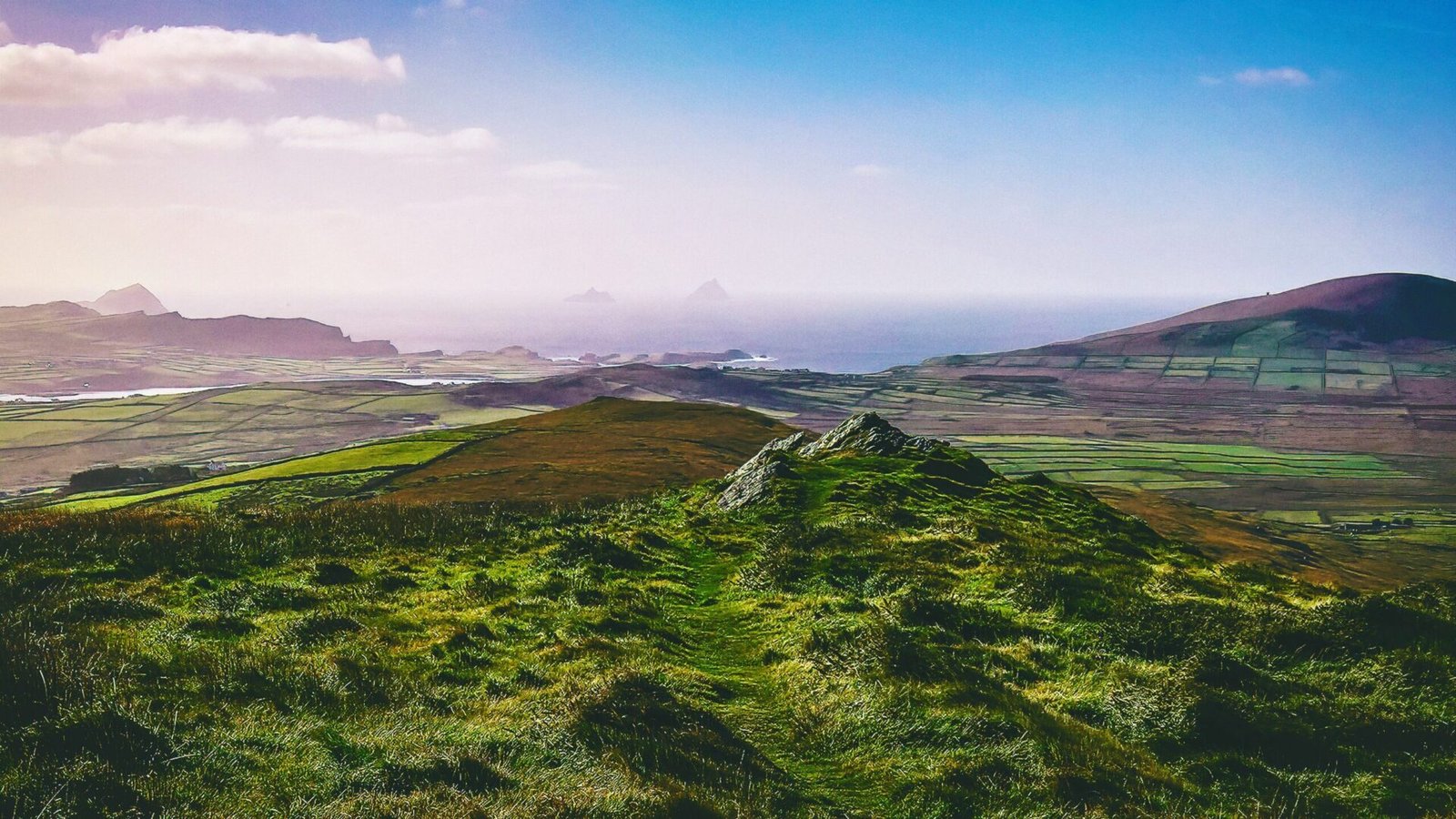
Beyond their social and political functions, ceremonial sites in Ireland were deeply embedded in the spiritual fabric of the communities. These sites were often chosen for their natural features, such as proximity to water sources, mountains, or other significant landmarks, which were believed to possess spiritual power. The landscape itself became a participant in the rituals performed at these sites, with the natural world serving as a backdrop for the sacred.
The rituals conducted at these ceremonial sites were often aimed at appeasing deities, seeking blessings for bountiful harvests, or ensuring protection from calamities. The cyclical nature of these gatherings mirrored the rhythms of the seasons, reinforcing the community’s connection to the land and its resources. Festivals marking solstices, equinoxes, and agricultural milestones were common, providing a structured framework for communal gathering that aligned with the natural world.
Moreover, the myths and legends associated with these sites enriched the spiritual experience of the gatherings. Stories of gods, heroes, and mythical creatures were woven into the fabric of the community’s identity, creating a shared narrative that transcended generations. These tales often explained the origins of the ceremonial sites themselves, linking the community’s history to the landscape in a profound way. The act of gathering at these sites became a way of honoring the past while simultaneously shaping the future.
Education and Transmission of Knowledge
Ceremonial sites also served as venues for education and the transmission of knowledge. The gatherings at these locations provided opportunities for the sharing of skills, crafts, and cultural practices. Elders and skilled artisans would pass down their knowledge to younger generations, ensuring the continuity of traditions that defined the community’s identity.
Storytelling, in particular, played a vital role in this educational process. The myths recounted during gatherings were not merely entertainment; they were vehicles for imparting moral lessons, historical knowledge, and cultural values. Through the oral tradition, communities could preserve their history and ensure that the wisdom of their ancestors was not lost to time.
In this way, ceremonial sites became not just places of gathering but also centers of learning and cultural preservation. The act of coming together at these sites fostered a sense of responsibility among community members to uphold their traditions and pass them on to future generations. This cycle of learning and sharing reinforced the bonds of community, creating a legacy that would endure long after the gatherings had concluded.
A Place for Healing and Reflection
Finally, ceremonial sites served as spaces for healing and reflection. In times of crisis, such as during periods of conflict, loss, or natural disaster, these gatherings provided a sanctuary for individuals to come together in support of one another. The communal nature of these sites allowed for collective mourning and healing, fostering resilience in the face of adversity.
Rituals performed at these sites often included acts of remembrance, honoring those who had passed and seeking solace in the shared experience of grief. The act of gathering in a sacred space provided a sense of comfort and connection, reminding individuals that they were not alone in their struggles. This communal support system was essential for maintaining the emotional well-being of the community.
In addition to mourning, ceremonial sites also offered opportunities for personal reflection and spiritual renewal. The natural beauty of these locations, combined with the sacred rituals performed there, created an environment conducive to introspection and connection with the divine. Individuals could seek guidance, clarity, and healing through their participation in these gatherings, reinforcing the idea that community and spirituality were inextricably linked.
In essence, community gathering at ceremonial sites in ancient Ireland was a multifaceted phenomenon that encompassed social cohesion, governance, spirituality, education, and healing. These gatherings were not merely events on a calendar; they were vital expressions of the community’s identity and values, intricately woven into the landscape of Ireland itself. Through the lens of these gatherings, we can gain a deeper understanding of how ancient communities navigated the complexities of life, forging connections that would resonate through the ages.