Ritual and Worship: The Heartbeat of Ceremonial Sites
In the rich tapestry of Irish prehistory, the interplay of ritual and worship forms a vital thread, intricately woven into the fabric of the landscape. Ceremonial sites, often nestled within the verdant hills and ancient stone formations of Ireland, serve as the focal points for community gatherings, spiritual practices, and cultural expression. This exploration of ritual and worship reveals the profound connections between the people, their myths, and the land they inhabit.
Offerings and Sacrifices
At the core of many ancient Irish rituals lies the practice of offerings and sacrifices. These acts were not merely transactional exchanges with the divine; they were deeply symbolic gestures that reflected the community’s relationship with the gods, ancestors, and the natural world. Offerings could take many forms, ranging from food and drink to crafted items and even animal sacrifices. Each offering was imbued with intention, representing gratitude, supplication, or the desire for favor.
The significance of offerings is vividly illustrated in the archaeological record. Sites such as the famous Loughcrew passage tombs reveal remnants of burnt offerings, including charred animal bones and remnants of food. These artifacts provide a glimpse into the ceremonial practices that once took place within these sacred spaces. The act of sacrifice, whether of a lamb or a loaf of bread, was a way to nourish the spirits and ensure the continued fertility of the land and its people.
In many cases, offerings were tied to specific deities or natural phenomena. For instance, the goddess Brigid, associated with fertility, healing, and poetry, was honored with offerings of milk, honey, and grains during the festival of Imbolc. This celebration, marking the beginning of spring, was a time for renewal and hope, reflecting the cyclical nature of life and the deep connection between the people and their environment.
Seasonal Festivals and Celebrations
The rhythm of the seasons played a crucial role in the ritual calendar of ancient Ireland. The cyclical nature of agricultural life dictated the timing of festivals and celebrations, each infused with its own unique significance. The four major festivals—Samhain, Imbolc, Bealtaine, and Lughnasadh—formed the backbone of the ceremonial year, marking transitions in the agricultural cycle and honoring the deities associated with each season.
Samhain, celebrated on the night of October 31st, marked the end of the harvest season and the onset of winter. It was believed to be a time when the veil between the living and the dead was thinnest, allowing for communion with ancestors and spirits. Bonfires were lit, and feasts were held, as communities gathered to honor their dead and prepare for the dark months ahead.
Imbolc, occurring in early February, celebrated the first stirrings of spring. It was a time of purification and renewal, dedicated to Brigid. Rituals often included the lighting of candles and the weaving of Brigid’s crosses from rushes, symbolizing protection and fertility. The festival emphasized the importance of fire and light in dispelling the darkness of winter.
Bealtaine, held on May 1st, marked the beginning of summer and was celebrated with bonfires and feasting. It was a time for fertility rites, as communities sought to ensure a bountiful harvest. The lighting of bonfires symbolized the sun’s return and the vitality of life, while rituals often involved the May Queen, a figure representing fertility and abundance.
Lughnasadh, celebrated in early August, honored the god Lugh and the first fruits of the harvest. It was a time of thanksgiving and community celebration, featuring games, feasting, and the sharing of the harvest. This festival underscored the importance of gratitude and the interconnectedness of community life.
These seasonal festivals were not merely occasions for merriment; they were profound expressions of the community’s relationship with the land, the cycles of nature, and the divine. Each festival was steeped in myth and folklore, reinforcing cultural identity and continuity.
The Role of Myth in Ritual
Mythology played an integral role in shaping the rituals and ceremonies of ancient Ireland. The stories of gods, heroes, and mythical creatures provided a narrative framework that informed the practices of worship and the significance of ceremonial sites. Myths served as a means of understanding the world, explaining natural phenomena, and offering moral guidance.
For instance, the myth of the Tuatha Dé Danann, the ancient gods of Ireland, illustrates the interplay between the divine and the human. These deities were believed to inhabit the hills and mounds of the landscape, and their stories were recounted during rituals to invoke their presence and blessings. The sacred sites associated with these myths, such as the Hill of Tara or the ancient burial mounds of Newgrange, became focal points for worship, where the community could connect with their ancestry and the divine.
Rituals often reenacted mythological events, allowing participants to immerse themselves in the stories that shaped their cultural identity. These reenactments served to reinforce social cohesion, as individuals came together to participate in shared beliefs and practices. The performance of myth through ritual created a living tradition that connected generations, ensuring the continuity of cultural memory.
Sacred Spaces and the Landscape
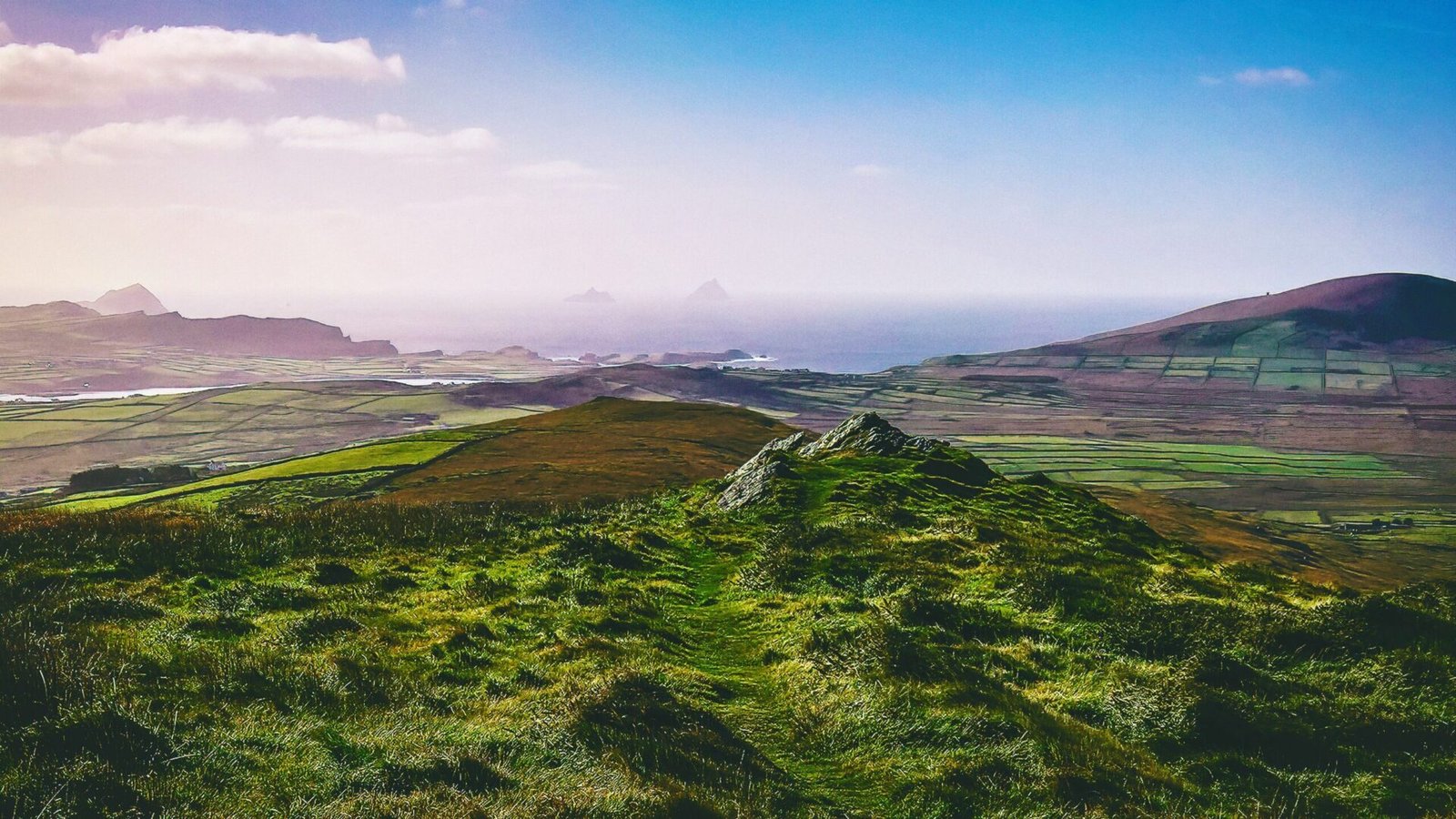
The landscape of Ireland is dotted with sacred sites, each imbued with spiritual significance. These locations, often chosen for their natural beauty or unique geological features, became the backdrop for rituals and ceremonies. The relationship between the people and their environment was symbiotic; the land was not merely a setting but a participant in the rituals of worship.
Stone circles, dolmens, and passage tombs are just a few examples of the ceremonial architecture that punctuates the Irish landscape. These structures were designed to align with celestial events, such as solstices and equinoxes, emphasizing the connection between the cosmos and earthly existence. The alignment of these sites with the sun and moon reflects a deep understanding of the natural world and its cycles, further reinforcing the significance of ritual in the lives of ancient peoples.
The act of gathering at these sacred sites for rituals fostered a sense of community and belonging. The shared experience of worship, whether through offerings, festivals, or storytelling, created bonds that transcended individual lives. The landscape itself became a participant in these rituals, as the hills, rivers, and stones bore witness to the collective memory of the people.
Conclusion
Ritual and worship in ancient Ireland were not isolated practices; they were woven into the very fabric of daily life and the landscape itself. Through offerings, seasonal festivals, mythological narratives, and sacred spaces, the people of ancient Ireland expressed their reverence for the divine, their ancestors, and the natural world. The ceremonial sites stand as enduring testaments to these practices, inviting us to reflect on the profound connections between humanity, spirituality, and the landscape that shaped their existence. As we explore the functions of these ceremonial sites, we uncover not only the rituals of the past but also the enduring legacy of a culture deeply attuned to the rhythms of life.