The Ongoing Relevance of Ancestral Connections in Modern Irish Culture
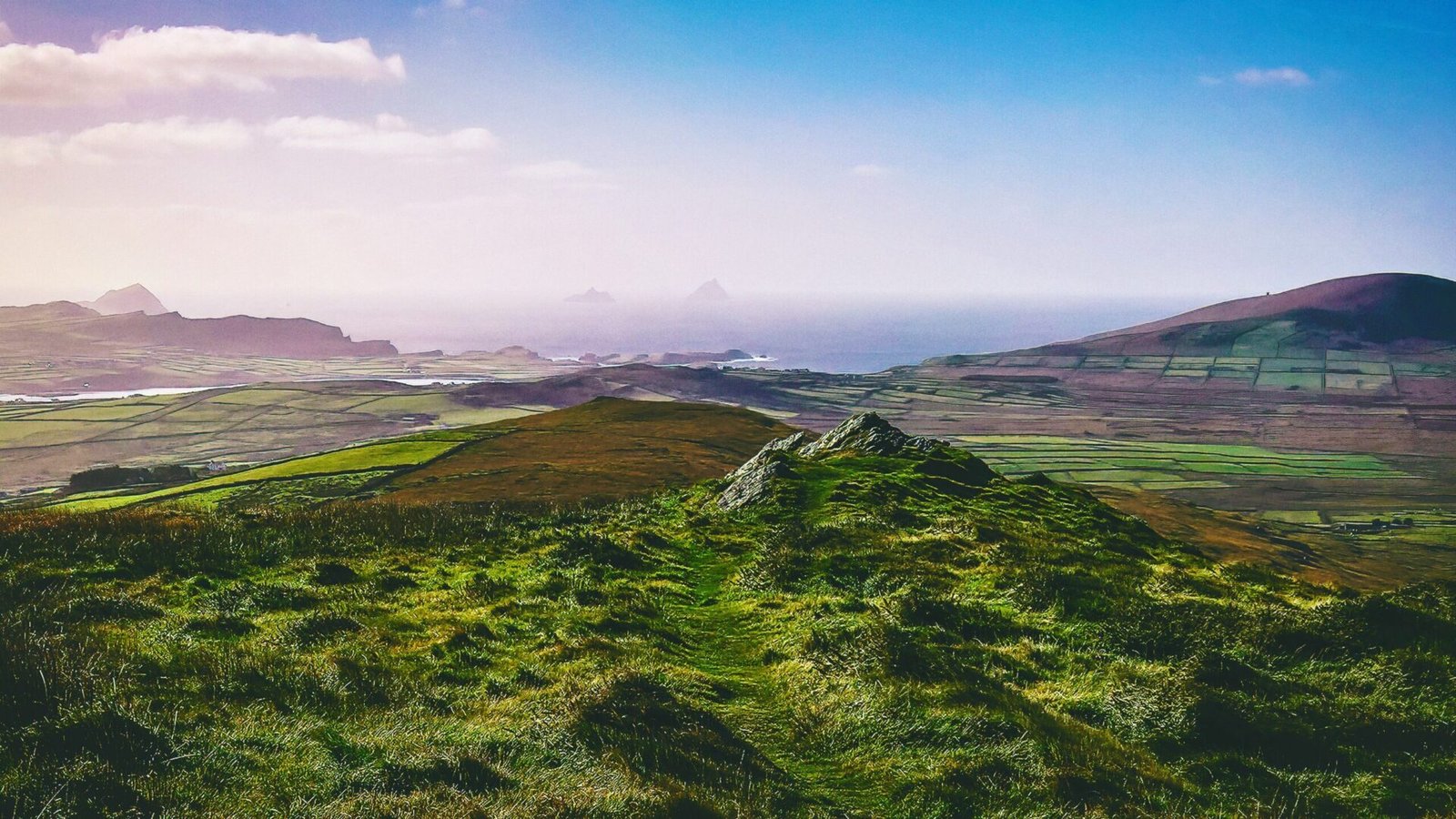
In the heart of Ireland, where the rolling hills meet the rugged coastline, the echoes of the past resonate through the very fabric of contemporary life. Ancestral connections, deeply rooted in the rich tapestry of Irish history, continue to shape modern culture, identity, and community. This exploration of how these connections manifest in today’s Ireland reveals a vibrant interplay between myth, landscape, and the enduring legacy of those who came before.
The Mythic Landscape: A Tapestry of Ancestry
Ireland’s landscape is not merely a backdrop but a living repository of myths and ancestral stories. From the ancient burial mounds of Newgrange to the sacred hills of Tara, each site is imbued with narratives that speak of the past. These locations are not just archaeological wonders; they are symbols of identity and continuity. They remind the Irish people of their shared heritage and the legacies of their ancestors.
In modern times, these sites have become focal points for cultural tourism and spiritual pilgrimage. Visitors and locals alike engage in rituals that honor the past, from solstice celebrations at Newgrange to the annual gatherings at the Hill of Tara. These practices foster a sense of belonging and connection to a lineage that stretches back thousands of years. They serve as a reminder that the landscape is not just a physical space but a canvas painted with the stories of those who walked before us.
Genealogy and Identity: The Search for Roots
The resurgence of interest in genealogy has taken hold in Ireland, with many individuals seeking to trace their ancestral roots. This quest is fueled by a desire to understand personal identity within the broader context of Irish history. Websites and services dedicated to ancestry research have proliferated, allowing people to uncover their familial ties and the stories that accompany them.
This genealogical exploration often leads to a deeper appreciation of one’s heritage. Families gather to share stories passed down through generations, fostering connections that transcend time. The act of learning about one’s ancestors can be a transformative experience, instilling a sense of pride and responsibility to honor their legacy. In this way, genealogy becomes a bridge between the past and present, reinforcing the notion that we are all part of a larger narrative.
Language and Folklore: The Voice of the Ancestors
The Irish language, or Gaeilge, is a vital thread in the fabric of Irish culture, serving as a conduit for ancestral connections. It carries the weight of history and tradition, encapsulating the wisdom and experiences of generations. Many modern Irish speakers find a profound sense of identity in their ability to communicate in a language that has survived colonization and globalization.
Folklore, too, plays a crucial role in maintaining these connections. The tales of the Tuatha Dé Danann, the legendary figures of Irish mythology, continue to inspire contemporary storytelling, art, and music. Festivals celebrating these myths, such as Bealtaine and Samhain, draw on ancient traditions while embracing modern interpretations. These celebrations not only honor the ancestors but also create a sense of community among those who participate, reinforcing cultural ties that are vital in an increasingly globalized world.
Music and Dance: Echoes of the Past
Irish music and dance are vibrant expressions of cultural heritage that reflect the influence of ancestral connections. Traditional instruments, such as the uilleann pipes and bodhrán, evoke the sounds of the past, while contemporary musicians often weave these traditional elements into modern compositions. This fusion of old and new creates a dynamic musical landscape that resonates with both locals and the global Irish diaspora.
Dance, too, serves as a powerful medium for expressing ancestral ties. Traditional forms like sean-nós dancing, characterized by its improvisational style, connect performers to their roots and the communal spirit of their ancestors. Events such as ceilidhs and dance festivals not only celebrate these traditions but also foster intergenerational connections, allowing younger generations to engage with their heritage in a lively and participatory manner.
The Diaspora: Ancestral Connections Beyond Borders
The Irish diaspora is a testament to the enduring relevance of ancestral connections. Millions of people around the world proudly identify as Irish, carrying with them the stories, traditions, and values of their forebears. This global community remains engaged with their heritage through cultural festivals, Irish dance schools, and language classes, creating a network of shared identity that transcends geographical boundaries.
In recent years, initiatives aimed at reconnecting the diaspora with their ancestral roots have gained momentum. Programs that facilitate travel to Ireland for those seeking to explore their heritage have become increasingly popular. These journeys often lead to profound emotional experiences, as individuals stand in the landscapes where their ancestors lived, worked, and thrived. Such connections reinforce the idea that ancestry is not merely a historical concept but a living, breathing part of one’s identity.
Contemporary Art: Reinterpreting Ancestral Narratives
The influence of ancestral connections is also evident in contemporary Irish art. Artists draw inspiration from the myths, landscapes, and histories of their ancestors, reinterpreting these themes through modern lenses. This artistic exploration often serves as a means of dialogue between past and present, allowing for the expression of complex identities shaped by both heritage and contemporary experiences.
Exhibitions and installations that engage with themes of ancestry invite viewers to reflect on their own connections to the past. Artists like Alice Maher and Brian Maguire delve into the interplay between personal and collective histories, using their work to challenge and expand the narratives surrounding Irish identity. This ongoing dialogue between tradition and innovation ensures that ancestral connections remain relevant and dynamic in the contemporary cultural landscape.
Rituals and Festivals: Celebrating Ancestral Bonds
Rituals and festivals rooted in ancient traditions continue to play a significant role in modern Irish culture. Events such as St. Patrick’s Day, while globally recognized, also serve as a way for the Irish to celebrate their heritage and honor their ancestors. These occasions are marked by parades, music, dance, and storytelling, creating a sense of unity and pride among participants.
Local festivals celebrating specific historical events or figures further reinforce these connections. For instance, the annual Féile Bríde honors St. Brigid, an important figure in Irish mythology and Christianity, through a series of events that celebrate her legacy. Such festivals not only pay homage to the past but also foster community spirit and continuity, ensuring that the stories of ancestors are passed down through generations.
Conclusion
The ongoing relevance of ancestral connections in modern Irish culture is a testament to the resilience and richness of the Irish identity. Through the interplay of landscape, language, music, art, and community rituals, the echoes of the past continue to resonate in the lives of contemporary Irish people. As they navigate the complexities of modernity, these connections serve as a grounding force, reminding them of the enduring legacy of those who came before. In this way, the ancestral ties that bind the Irish people to their history remain vibrant and alive, shaping their culture and identity in profound and meaningful ways.