Symbolism of Light and Rebirth Associated with the Winter Solstice
Introduction
As the longest night of the year approaches, a palpable tension hangs in the air. The winter solstice, occurring around December 21st, marks a pivotal moment in the annual cycle, a time when darkness reigns supreme before the gradual return of light. In Irish prehistory, this transition was imbued with profound significance, particularly at sacred sites like Newgrange. Here, the interplay of light and shadow, darkness and rebirth, is not merely a seasonal phenomenon but a deeply woven tapestry of myth, ritual, and connection to the landscape.
The Winter Solstice: A Time of Darkness and Reflection
The winter solstice has long been a time of introspection and reflection. In ancient Ireland, the long nights were not just a physical reality; they were also symbolic of the darkness within the human experience. This period of darkness was seen as a necessary precursor to renewal. Just as nature lies dormant, so too do the spirits and energies of the earth. It is a time to honor the past, to acknowledge the cycles of life, and to prepare for the rebirth that follows.
In a world where agriculture dictated survival, the return of light was not merely a cosmic event; it was a matter of life and death. The sun, revered as a life-giving force, was celebrated for its eventual return, promising the fertility of the land and the continuity of life. The solstice thus became a focal point for rituals aimed at invoking the sun’s return, ensuring the earth would awaken once more.
Newgrange: A Sacred Site of Light and Shadow
Newgrange, a Neolithic passage tomb located in County Meath, stands as a testament to the ancient peoples’ reverence for the winter solstice. Built around 3200 BCE, it predates Stonehenge and the Great Pyramids, showcasing the sophistication of its builders. The structure itself is an architectural marvel, designed with a precise alignment to the rising sun on the winter solstice.
As dawn breaks on the solstice, sunlight streams through the passageway and illuminates the inner chamber, creating a breathtaking spectacle. This moment is not merely a physical phenomenon; it is a ritualistic event steeped in symbolism. The light entering the tomb represents the sun’s rebirth, the triumph of light over darkness, and the promise of new beginnings. For the ancient Irish, this was a moment of profound spiritual significance, a time when the divine intersected with the earthly realm.
The Symbolism of Light
Light, in many cultures, symbolizes knowledge, purity, and divinity. In the context of the winter solstice, it embodies hope and renewal. The sun’s return signifies the end of the dark days of winter and heralds the return of warmth and growth. In Irish mythology, light is often associated with various deities and spirits, such as the goddess Brigid, who embodies the duality of fire and fertility. Her association with light reinforces the idea that the return of the sun is not just a physical event but a spiritual awakening.
The light of the solstice also serves as a metaphor for enlightenment and understanding. Just as the sun illuminates the earth, so too does it illuminate the mind and spirit. The ancient Irish recognized this connection, using the solstice as a time to reflect on their lives, their communities, and their relationship with the land. Rituals performed during this time often involved storytelling, music, and dance, all aimed at celebrating the return of light and the promise of renewal.
Rebirth: The Cycle of Life
The winter solstice is intrinsically linked to the theme of rebirth. In many cultures, this time of year is associated with various myths of death and resurrection. In Irish mythology, the cycle of life is often depicted through the stories of gods and heroes who undergo trials and transformations, only to emerge renewed. This cyclical nature of existence resonates deeply with the seasonal changes observed in the landscape.
The rebirth associated with the winter solstice is not limited to the return of the sun; it extends to the earth itself. As the days gradually lengthen, the promise of spring begins to stir beneath the surface. Seeds that have lain dormant during the cold months are poised to sprout, animals emerge from hibernation, and the landscape begins to awaken. The solstice thus serves as a reminder of the interconnectedness of all life, a celebration of the cycles that govern existence.
Ritual Practices at Newgrange
At Newgrange, the rituals surrounding the winter solstice were likely multifaceted, involving both communal gatherings and individual reflections. Archaeological evidence suggests that the site was a focal point for ceremonies that honored the sun and the earth. These rituals may have included offerings, prayers, and storytelling, all aimed at ensuring the sun’s return and the fertility of the land.
The alignment of Newgrange with the winter solstice suggests that the builders possessed a sophisticated understanding of astronomy and its relationship to their agricultural practices. The careful construction of the passage tomb indicates a deep reverence for the cycles of nature and the importance of timing in their rituals. This connection between the celestial and terrestrial realms underscores the significance of the solstice as a time of renewal and hope.
The Influence of Landscape on Symbolism
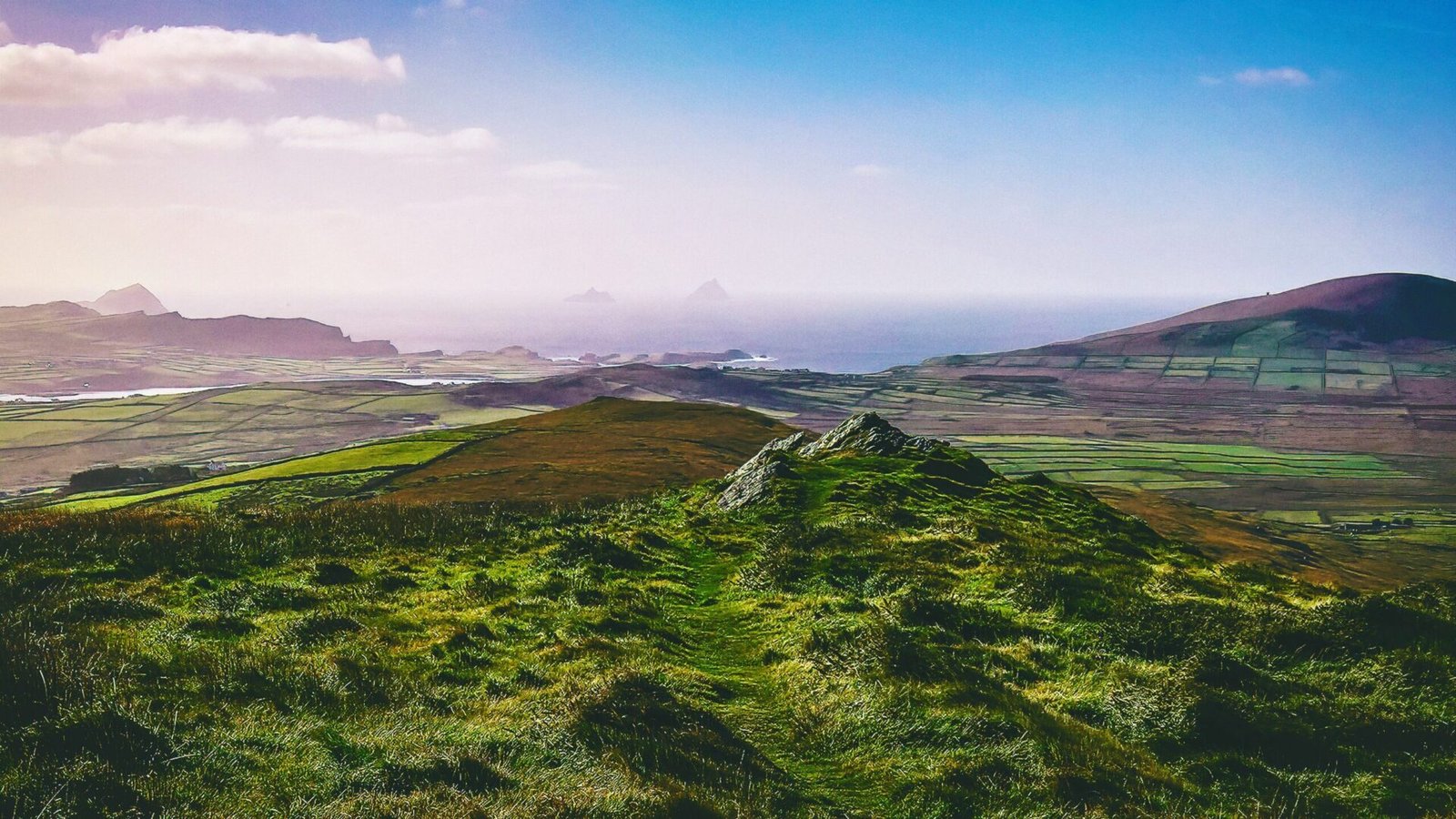
The landscape of Ireland itself plays a crucial role in the symbolism of light and rebirth associated with the winter solstice. The rolling hills, ancient trees, and meandering rivers all contribute to a sense of connection to the earth. The natural world is not merely a backdrop; it is an active participant in the cycles of life. The changing seasons, the ebb and flow of the tides, and the movement of celestial bodies all serve as reminders of the interconnectedness of all things.
In the context of the winter solstice, the landscape becomes a canvas upon which the themes of light and rebirth are painted. The rising sun casts long shadows across the hills, illuminating the valleys and creating a dynamic interplay of light and darkness. This dance of light serves as a metaphor for the human experience, reflecting the struggles and triumphs that define existence.
Conclusion
The symbolism of light and rebirth associated with the winter solstice is a rich tapestry woven into the fabric of Irish prehistory. Through sites like Newgrange, ancient rituals, and the natural landscape, the themes of darkness, reflection, and renewal come alive. As we honor the cycles of nature, we are reminded of our own journeys through the seasons of life, embracing the promise of light amid the shadows. The winter solstice, with its profound significance, continues to resonate, inviting us to reflect on our place within the ever-turning wheel of existence.