Introduction to Viking Myths and Irish Folklore
The intertwining of Viking myths with Irish folklore presents a fascinating tapestry of cultural exchange and adaptation. As the Norse seafarers voyaged across the seas, they left an indelible mark on the lands they encountered, Ireland being no exception. The integration of Viking myths into Irish folklore is a testament to the dynamic interplay between two rich storytelling traditions. This exploration delves into the mythological connections that arose from the Viking presence in Ireland, highlighting how these narratives have shaped and been shaped by the Irish landscape and cultural psyche.
The Viking Presence in Ireland
The Viking Age, spanning roughly from 793 to 1066 AD, was a period of significant Norse exploration and expansion. The Vikings, originating from Scandinavia, were known for their formidable seafaring capabilities, which enabled them to explore and settle in various parts of Europe, including Ireland. Their arrival in Ireland began with raids on monasteries, but over time, the Vikings established settlements and became integral to the Irish socio-economic fabric.
These Norse settlers brought with them a pantheon of gods, epic sagas, and mythological creatures. The integration of these elements into Irish folklore was not merely a byproduct of conquest but also a result of intermarriage, trade, and cultural exchanges between the Vikings and the Irish.
Mythological Intersections: Gods and Heroes
One of the most intriguing aspects of Viking and Irish mythological integration is the intersection of their pantheons. Norse gods such as Odin, Thor, and Freyja found echoes in the Irish mythological landscape. For instance, the Irish god Lugh shares similarities with Odin, both being associated with wisdom, warfare, and leadership. Lugh’s festival, Lughnasadh, even bears resemblance to some Norse celebrations.
Moreover, the heroic narratives of both cultures often intertwined. The Norse sagas, with their emphasis on heroism and adventure, resonated with the Irish epics. Stories of Viking heroes like Ragnar Lothbrok found parallels in the tales of Irish warriors such as Cú Chulainn. These shared themes of bravery, honor, and the supernatural created a fertile ground for mythological integration.
Legendary Creatures and Symbolism
The blending of Viking and Irish folklore is also evident in the realm of legendary creatures and symbolism. The Norse mythology introduced creatures like the draugr, a type of undead being, which found a place in Irish ghostly tales. Similarly, the concept of the Valkyries, warrior maidens who chose those who would die and live in battles, can be seen influencing the Irish banshee, a female spirit whose wail foretells death.
Symbolism, too, played a crucial role in this cultural exchange. The Viking longship, a symbol of exploration and conquest, became part of the Irish mythos, representing both the fear and respect the Norse invaders commanded. Runes, the ancient Norse alphabet, also made their way into Irish folklore, often attributed with magical properties and used in various charms and rituals.
The Landscape of Myth: Sacred Sites and Stories
Ireland’s landscape is deeply intertwined with its myths, and the Viking influence is evident in several sacred sites and stories. Dublin, originally founded as a Viking settlement, became a hub of Norse activity and mythological storytelling. The city’s history is steeped in tales of Viking chieftains and legendary battles, blending seamlessly with the existing Irish folklore.
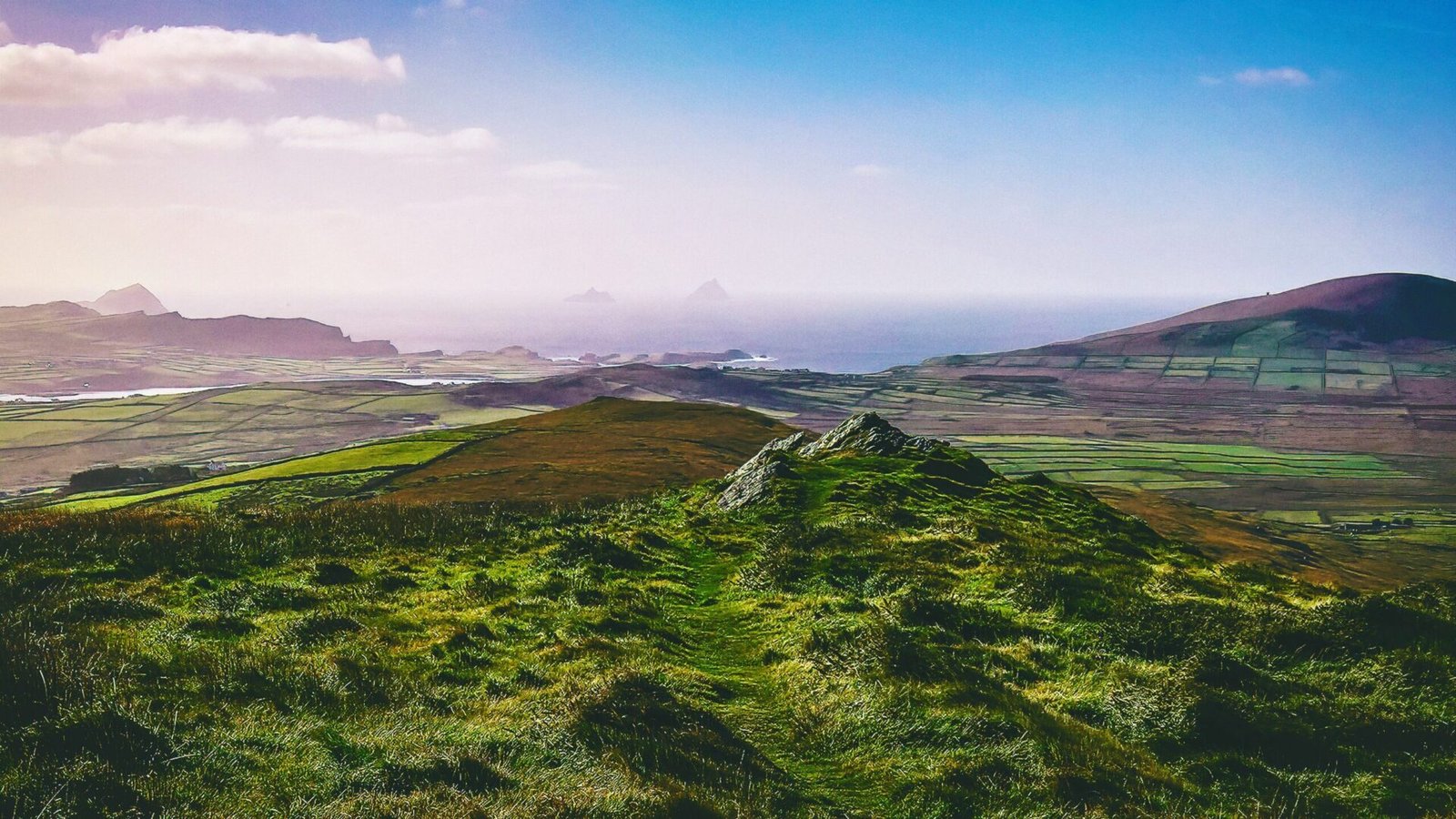
Furthermore, the natural landscape, from the rugged coastlines to the mist-covered hills, provided a backdrop for the merging of myths. Norse legends of sea serpents and oceanic deities found resonance with the Irish reverence for water spirits and sacred wells. These shared elements reinforced the spiritual and mythological significance of the Irish landscape.
The Role of Storytellers and Bards
The transmission of Viking myths into Irish folklore was facilitated by storytellers and bards, who played a crucial role in preserving and adapting these narratives. These cultural custodians were adept at weaving Norse elements into Irish tales, ensuring that the stories resonated with local audiences while retaining their original essence.
Bards, in particular, were instrumental in this process. They traveled from village to village, sharing stories that blended the heroic exploits of Norse gods with the rich tapestry of Irish mythology. This oral tradition was vital in maintaining the fluidity and dynamism of the mythological connections between the two cultures.
Cultural Legacy and Modern Interpretations
The integration of Viking myths into Irish folklore has left a lasting legacy that continues to influence modern interpretations of both cultures. Contemporary literature, film, and art often draw upon this rich tapestry, exploring themes of identity, heritage, and the supernatural.
In recent years, there has been a resurgence of interest in the Viking influence on Irish culture, with scholars and enthusiasts alike delving into the mythological connections that define this unique cultural fusion. This renewed interest highlights the enduring appeal of these stories and their ability to adapt to changing times while preserving their core essence.
Conclusion: A Living Tradition
The exploration of Viking myths and their integration into Irish folklore reveals a vibrant and dynamic tradition that continues to evolve. This cultural interplay is a testament to the enduring power of storytelling and the ability of myths to transcend boundaries, enriching the cultural landscapes they inhabit. As we delve deeper into these mythological connections, we uncover not only the stories of the past but also the enduring spirit of cultural exchange and adaptation.