Exploring Ireland’s Prehistoric Past: Key Archaeological Sites to Visit
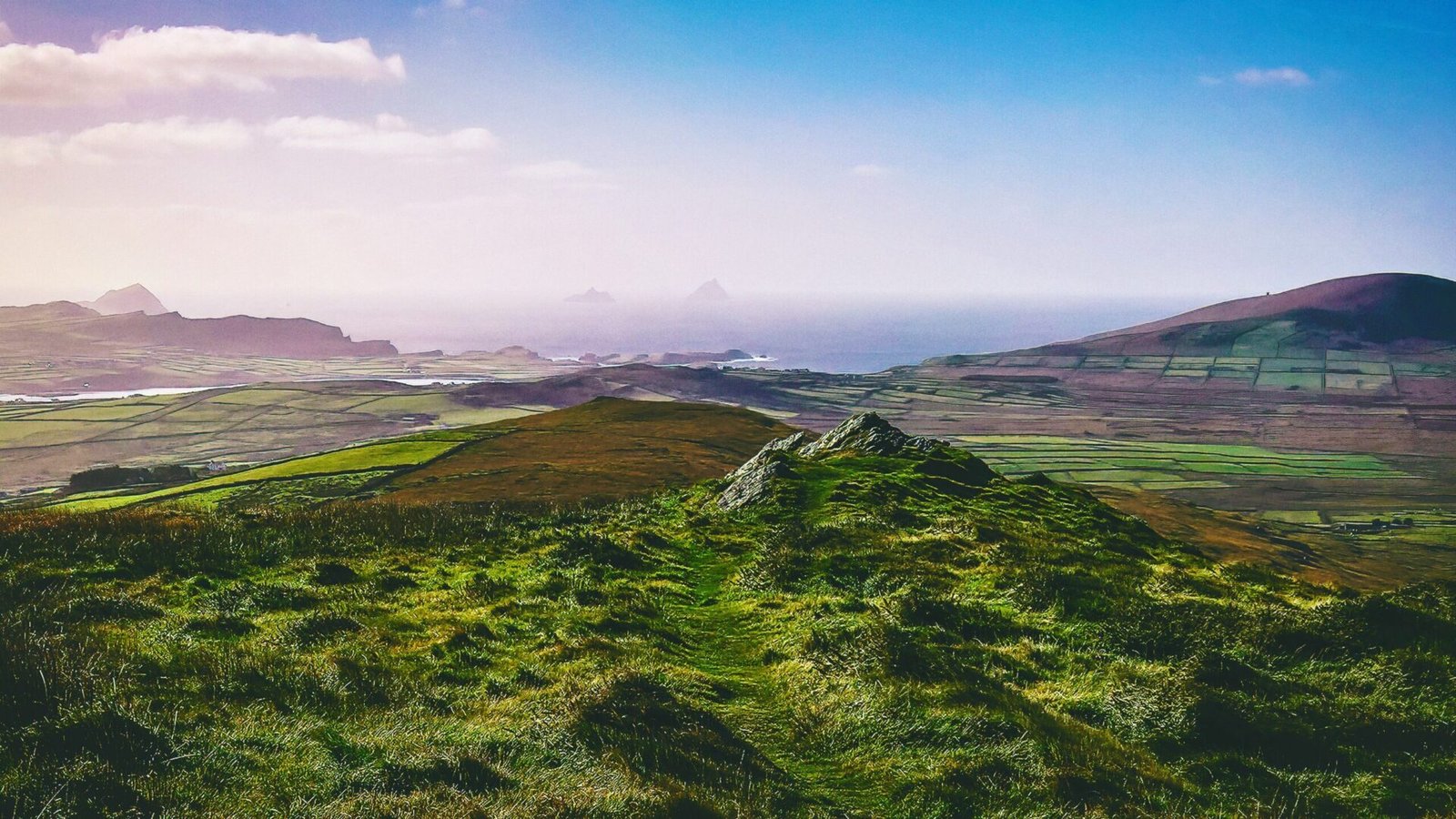
Ireland’s landscape is a living tapestry of history, myth, and natural beauty, where the ancient past is woven into every hill and valley. For those intrigued by the enigmatic whispers of prehistory, Ireland offers a treasure trove of archaeological sites that beckon with stories of ancient peoples and their connection to the land. This exploration will guide you through some of the most significant sites that not only reveal the island’s prehistoric past but also its enduring myths and legends.
Newgrange: The Jewel of the Boyne Valley
Nestled in the heart of the Boyne Valley, Newgrange is perhaps Ireland’s most iconic prehistoric site. This Neolithic passage tomb, dating back to around 3200 BC, predates Stonehenge and the Great Pyramids of Giza. Its construction reflects a sophisticated understanding of astronomy and engineering. Every year, during the winter solstice, a shaft of sunlight illuminates the inner chamber, a testament to the builders’ astronomical prowess.
Newgrange is not just an architectural marvel but also a focal point of Irish mythology. It is often associated with the Tuatha Dé Danann, a mythical race of gods and heroes who are said to have inhabited Ireland in ancient times. The site’s enduring mystery and the tales that surround it make Newgrange a must-visit for anyone interested in the intertwining of history and myth.
The Hill of Tara: Seat of the High Kings
The Hill of Tara, located in County Meath, is a place where history and legend converge. As the traditional seat of the High Kings of Ireland, it holds immense significance in Irish folklore. This site is dotted with ancient monuments, including the Stone of Destiny (Lia Fáil), which is said to roar when touched by the rightful king of Ireland.
Tara’s significance extends beyond its royal associations. It is also considered a spiritual center, with connections to the ancient gods and goddesses of Ireland. The site’s landscape, with its sweeping views and ancient earthworks, invites visitors to ponder the power and mystery that it once held.
The Ring of Brodgar: A Neolithic Enigma
While not located in Ireland, the Ring of Brodgar in Orkney, Scotland, is closely tied to the broader Celtic world and offers insights into the prehistoric culture shared across these islands. This stone circle, with its majestic standing stones, is part of a UNESCO World Heritage Site known as the Heart of Neolithic Orkney.
The Ring of Brodgar’s purpose remains a mystery, but it is believed to have been a ceremonial site, possibly used for rituals or astronomical observations. Its connection to Irish prehistory lies in the shared cultural and mythological threads that link the Celtic peoples of the British Isles.
The Céide Fields: A Window into Neolithic Farming
Located in County Mayo, the Céide Fields offer a glimpse into the lives of Ireland’s earliest farmers. This extensive Neolithic landscape is the oldest known field system in the world, dating back nearly 6,000 years. The fields, enclosed by stone walls, reveal a sophisticated approach to agriculture and land management.
The discovery of the Céide Fields challenged previous assumptions about the scale and complexity of Neolithic society in Ireland. The site also underscores the deep connection between the prehistoric inhabitants and the landscape, a theme that resonates throughout Irish mythology.
Carrowmore Megalithic Cemetery: A Prehistoric Necropolis
Carrowmore, located in County Sligo, is one of the largest megalithic cemeteries in Ireland, with over 30 tombs scattered across the landscape. These tombs, dating back to the fourth millennium BC, include passage tombs, dolmens, and stone circles, each with its own story to tell.
Carrowmore’s significance extends beyond its archaeological importance. The site is steeped in local folklore, with legends of ancient giants and mythical battles. The surrounding landscape, with its rolling hills and distant mountains, adds to the site’s mystique, inviting visitors to explore both its historical and mythical dimensions.
Drombeg Stone Circle: A Portal to the Past
In the scenic countryside of County Cork lies Drombeg Stone Circle, a small but captivating site that offers insight into the rituals and beliefs of Ireland’s prehistoric peoples. The circle, consisting of 17 standing stones, is aligned with the setting sun during the winter solstice, suggesting its use as a calendar or ceremonial site.
Drombeg’s location, overlooking the Atlantic Ocean, adds to its allure. The site is surrounded by legends, including tales of druids and ancient rituals. Visiting Drombeg is not just an exploration of history but an opportunity to connect with the timeless rhythms of nature and the cosmos.
The Burren: A Landscape of Stone and Story
The Burren, a unique karst landscape in County Clare, is a place where geology and archaeology intertwine. This stark yet beautiful region is home to numerous prehistoric sites, including dolmens, ring forts, and burial cairns. Poulnabrone Dolmen, one of the most photographed megalithic monuments in Ireland, stands as a sentinel in this rocky expanse.
The Burren’s landscape is not only a testament to the ingenuity of its ancient inhabitants but also a source of inspiration for countless myths and legends. The region’s flora and fauna, thriving in the seemingly inhospitable terrain, add to its mystique, making it a place where the past and present coexist harmoniously.
Connecting Myth and Landscape
Ireland’s prehistoric sites are more than just remnants of ancient civilizations; they are portals to a world where myth and reality converge. Each site offers a unique perspective on the lives, beliefs, and aspirations of Ireland’s earliest inhabitants. As you explore these key sites of interest, you will find that the stories of the past are not confined to the pages of history books but are alive in the landscape, waiting to be discovered and retold. Whether you are drawn by the allure of ancient myths or the intrigue of archaeological discovery, Ireland’s prehistoric sites offer a journey into a world where the past is ever-present.