Syncretism of Pagan and Christian Beliefs in Irish Prehistory
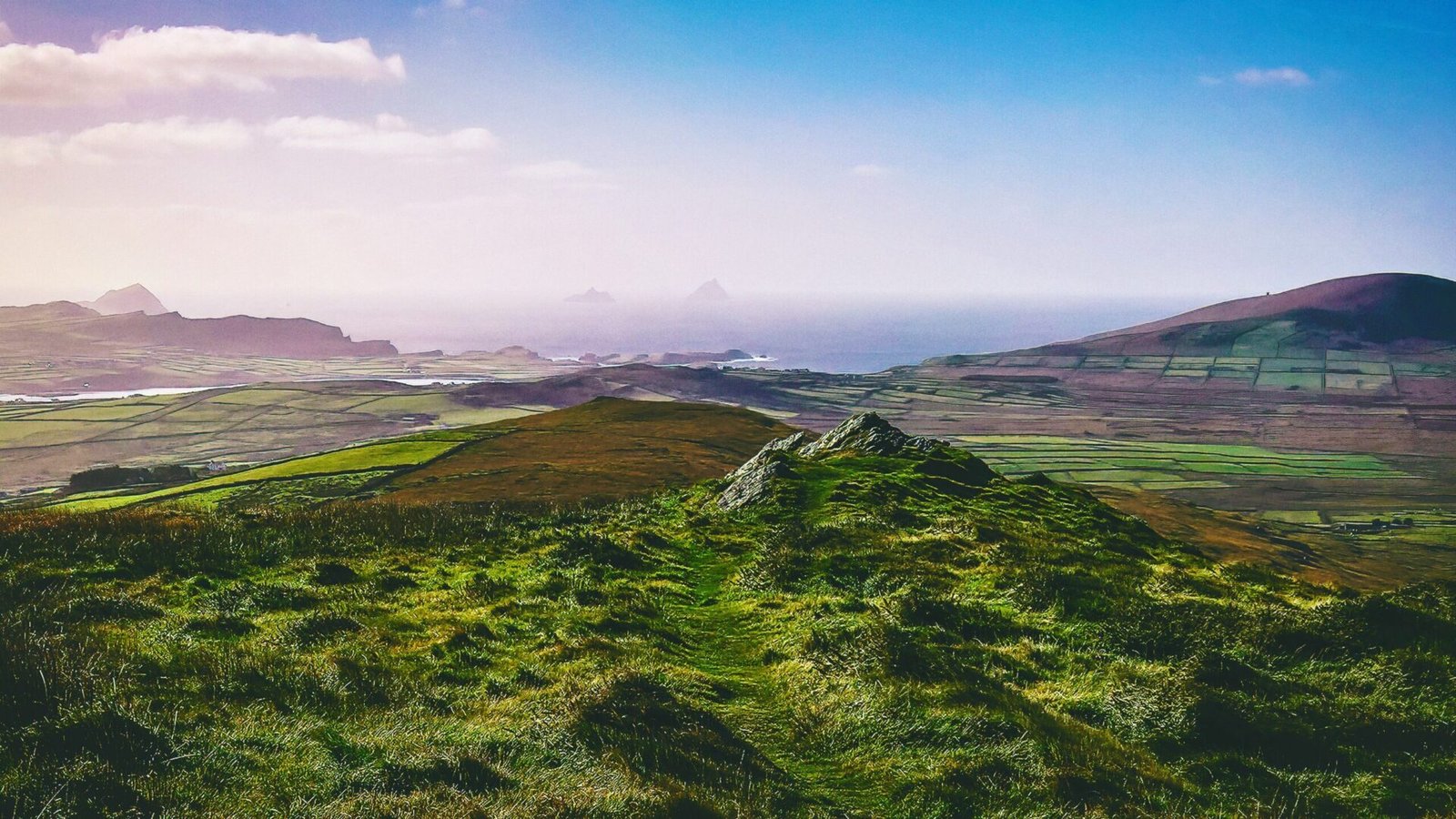
In the verdant landscapes of Ireland, where rolling hills meet the vast sky, the intertwining of pagan and Christian beliefs has left an indelible mark on the cultural and spiritual tapestry of the land. The syncretism of these two religious traditions is not merely a historical footnote; it is a vivid narrative that speaks to the resilience and adaptability of human belief systems. As we delve into the syncretism of pagan and Christian beliefs in Irish prehistory, we uncover a rich tapestry of myths, rituals, and sacred landscapes that continue to inspire and inform the cultural identity of Ireland.
The Arrival of Christianity
The arrival of Christianity in Ireland, traditionally attributed to St. Patrick in the 5th century, marked a significant turning point in the island’s spiritual landscape. However, the transition from paganism to Christianity was not an abrupt replacement but rather a gradual and complex process of integration. Early Christian missionaries, recognizing the deep-rooted pagan traditions, often adopted a pragmatic approach. They sought to harmonize Christian teachings with existing beliefs, leading to a unique fusion of religious practices.
Sacred Landscapes and Sites
Ireland’s landscape is dotted with ancient sites that hold spiritual significance for both pagan and Christian traditions. The Hill of Tara, for instance, was a revered site for the ancient Irish, serving as a political and spiritual center. As Christianity spread, such sites were often reinterpreted or repurposed to fit the new religious paradigm. The sacred wells, originally pagan sites dedicated to deities associated with water and healing, became associated with Christian saints. These wells, now often called “holy wells,” continue to be places of pilgrimage and prayer, reflecting the enduring syncretism of beliefs.
Mythological Interactions
The rich tapestry of Irish mythology offers a fascinating insight into the syncretism of pagan and Christian beliefs. The ancient Celtic deities, with their complex narratives and attributes, were often reimagined within a Christian framework. For example, the goddess Brigid, associated with poetry, healing, and smithcraft, was seamlessly transformed into St. Brigid, one of Ireland’s patron saints. This transformation did not erase the goddess’s attributes but rather integrated them into the veneration of the saint, allowing the continuity of cultural memory and reverence.
Festivals and Rituals
The blending of pagan and Christian traditions is perhaps most evident in the celebration of festivals. The Celtic festival of Samhain, marking the end of the harvest season and the beginning of winter, was transformed into All Hallows’ Eve, or Halloween, followed by All Saints’ Day. Similarly, the festival of Imbolc, celebrating the beginning of spring and associated with the goddess Brigid, was Christianized as St. Brigid’s Day. These festivals, with their roots in both pagan and Christian traditions, continue to be celebrated in Ireland, embodying the syncretic nature of the country’s spiritual heritage.
Art and Symbolism
The artistic expressions of early Christian Ireland also reflect the syncretism of pagan and Christian beliefs. The intricate carvings on high crosses, for example, often feature a blend of Christian iconography and Celtic motifs. The famous Book of Kells, an illuminated manuscript of the Gospels, showcases a fusion of Christian themes with Celtic art styles, including interlacing patterns and mythical creatures. These artistic works serve as visual testaments to the harmonious blending of two rich cultural traditions.
The Role of Folklore
Irish folklore, with its tales of fairies, banshees, and otherworldly beings, offers another layer of syncretism. Many of these stories, rooted in pagan beliefs, were adapted and incorporated into a Christian worldview. The belief in the Otherworld, a realm of deities and spirits, persisted even as Christianity took hold, often being reinterpreted as a form of purgatory or a paradise for the blessed. This integration allowed for the survival and evolution of traditional narratives within a Christian context.
The Resilience of Tradition
The syncretism of pagan and Christian beliefs in Ireland is a testament to the resilience of cultural traditions. Rather than a simple conversion, the process involved negotiation, adaptation, and mutual influence. This blending of beliefs allowed for the preservation of indigenous spiritual practices while embracing the new Christian faith. The result is a uniquely Irish spirituality that honors both its pagan roots and Christian heritage.
Legacy and Modern Reflections
Today, the syncretism of pagan and Christian beliefs continues to influence Irish culture and spirituality. Many modern practitioners of Celtic spirituality draw on both pagan and Christian elements, seeking to revive ancient traditions while engaging with contemporary spiritual practices. This ongoing dialogue between past and present reflects the dynamic nature of belief and the enduring power of syncretism in shaping cultural identity.
In exploring the syncretism of pagan and Christian beliefs in Irish prehistory, we uncover a story of adaptation and continuity, where ancient traditions and new faiths come together to create a vibrant and enduring spiritual landscape. This narrative, woven into the very fabric of Ireland’s myths and landscapes, continues to inspire and inform the cultural identity of this remarkable land.