Distinctions between Interactions in Different Irish Provinces
In the tapestry of Irish prehistory, the threads of regional interaction weave a complex narrative that connects ancient myths and the landscape itself. The island of Ireland, divided into four provinces—Leinster, Munster, Connacht, and Ulster—each tells its own story of cultural exchange, conflict, and cooperation. These provinces, with their unique geographical features and historical developments, shaped distinct modes of interaction that continue to resonate through Irish folklore and archaeology. Understanding these distinctions not only illuminates the past but also enriches our appreciation of the myths and landscapes that define Ireland.
Leinster: The Heart of Early Trade and Politics
Leinster, located in the east of Ireland, has long been a hub of political and economic activity. Its fertile plains and proximity to the Irish Sea facilitated trade and interaction with both internal and external groups. In prehistoric times, Leinster was a focal point for the exchange of goods, ideas, and technologies. The presence of ancient roads and waterways underscores its role as a conduit for movement and communication.
The province’s interaction patterns were heavily influenced by its strategic position. The Hill of Tara, a site of great archaeological and mythological significance, served as a ceremonial and political center. It was here that the High Kings of Ireland were said to be crowned, a testament to Leinster’s central role in the island’s governance. The myths associated with Tara, such as those involving the legendary Tuatha Dé Danann, reflect the province’s status as a crossroads of cultural and political interaction.
Munster: The Land of Kings and Warriors
Munster, in the south, is characterized by its rugged landscapes and strong maritime connections. The province’s interaction patterns were shaped by its coastal geography, which facilitated seafaring and trade with other Celtic lands. The tales of Munster’s legendary kings and warriors, such as those found in the Cycle of the Kings, highlight the province’s martial culture and its emphasis on honor and heroism.
The archaeological record in Munster reveals a society deeply connected to its land and sea. Hillforts and ringforts dot the landscape, serving as reminders of a time when defense and control of territory were paramount. The province’s interactions with neighboring regions were often marked by conflict, as evidenced by the numerous battles recorded in both myth and history. However, Munster was also a place of cultural exchange, with its ports acting as gateways for new ideas and technologies.
Connacht: The Frontier of Myth and Reality
Connacht, in the west, is often portrayed in Irish mythology as a wild and untamed land. Its rugged terrain and remote location contributed to a distinct mode of interaction characterized by isolation and self-reliance. The myths of Connacht, such as those found in the Ulster Cycle, depict a province at the edge of the known world, where the boundaries between myth and reality blur.
Despite its perceived isolation, Connacht was not entirely cut off from the rest of Ireland. Archaeological evidence suggests that the province engaged in trade and communication with other regions, albeit on a smaller scale. The presence of megalithic tombs and stone circles indicates a shared cultural heritage with the rest of the island, while also highlighting the unique adaptations of Connacht’s inhabitants to their environment. The province’s interaction with the mythical otherworld, as seen in tales of the sídhe (fairies), further underscores its liminal status in Irish cultural geography.
Ulster: The Seat of Heroic Tales
Ulster, in the north, is perhaps best known for its association with the epic tales of the Ulster Cycle, which recount the exploits of heroes such as Cú Chulainn. These stories reflect a society deeply invested in the ideals of heroism, loyalty, and honor. Ulster’s interaction patterns were heavily influenced by its political and military aspirations, as well as its relationships with neighboring provinces and beyond.
The archaeological sites of Navan Fort and Emain Macha, believed to be the ancient capitals of Ulster, provide insight into the province’s social and political organization. These centers of power were not only places of governance but also hubs of cultural and ritual activity. Ulster’s interactions with other regions often took the form of alliances and conflicts, as depicted in the tales of the Táin Bó Cúailnge (The Cattle Raid of Cooley), where the province’s warriors are pitted against those of Connacht.
Inter-Provincial Dynamics and the Role of Myth
While each province had its own distinct modes of interaction, the interplay between them was a defining feature of Irish prehistory. The myths and legends that emerged from these interactions often served to reinforce regional identities while also highlighting shared cultural themes. The stories of inter-provincial conflicts and alliances, such as those found in the various cycles of Irish mythology, provide a window into the complex social dynamics of the time.
Mythology played a crucial role in shaping perceptions of regional identity and interaction. The tales of the Tuatha Dé Danann, the Fir Bolg, and other legendary peoples often reflect the historical realities of migration, conquest, and cultural exchange. These myths, deeply embedded in the landscape, continue to inform our understanding of how ancient Irish societies interacted with one another and with the world beyond.
The Landscape as a Living Record
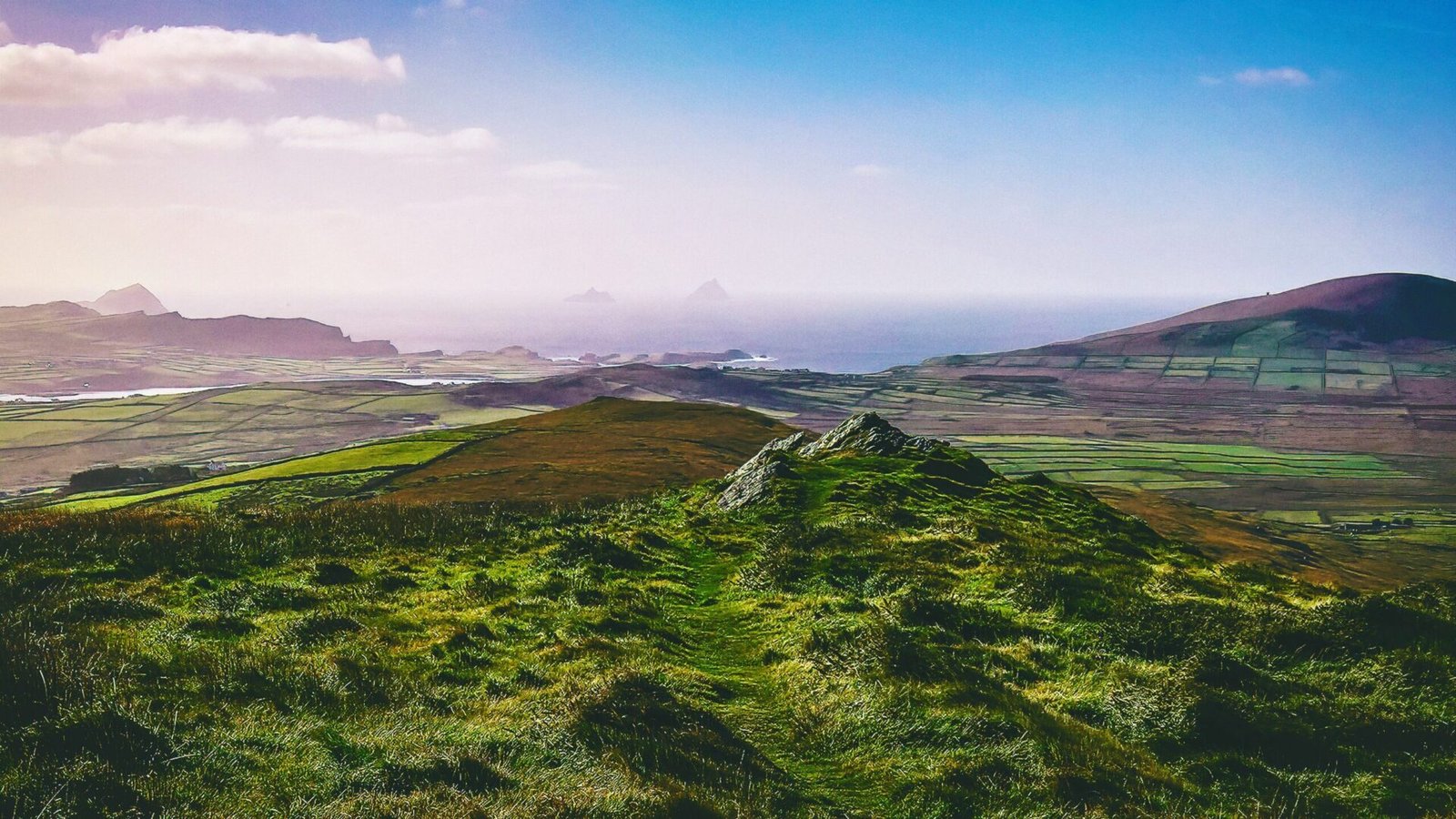
The Irish landscape itself serves as a living record of these interactions. The distribution of archaeological sites, from megalithic tombs to hillforts, provides tangible evidence of the ways in which different regions engaged with one another. The landscape’s features, such as rivers, mountains, and coastlines, not only shaped patterns of movement and settlement but also inspired the myths and legends that continue to capture the imagination.
In examining the distinctions between interactions in different Irish provinces, we gain insight into the rich tapestry of Ireland’s prehistoric past. Each province, with its unique geographical and cultural characteristics, contributed to a dynamic and interconnected network of societies. Through the lens of mythology and archaeology, we can trace the echoes of these ancient interactions, deepening our appreciation of Ireland’s enduring legacy.