Changes in Social Structure and Hierarchy
The tapestry of Irish prehistory is intricately woven with threads of myth, landscape, and societal evolution. As we delve into the impact of these elements on Irish society, it becomes essential to explore how social structures and hierarchies have transformed over millennia. This exploration not only illuminates the dynamics of ancient communities but also reveals how these shifts resonate with the myths that have been passed down through generations.
The Dawn of Hierarchical Society
In the early stages of Irish prehistory, society was predominantly egalitarian. The Neolithic period, marked by the advent of agriculture around 4000 BCE, saw communities living in small, kin-based groups. These early farmers settled in areas rich in natural resources, which allowed them to sustain their communities. The construction of megalithic tombs during this era, such as those at Newgrange and Knowth, suggests a collective effort and shared community values. However, these structures also hint at emerging social stratification, as they likely served as burial sites for individuals of higher status, possibly community leaders or spiritual figures.
As the Bronze Age unfolded, around 2500 BCE, metallurgy became a pivotal force in reshaping societal hierarchies. The ability to craft weapons and tools from metal not only enhanced agricultural productivity but also conferred power upon those who controlled these resources. This era witnessed the rise of a warrior elite, whose influence extended beyond mere physical prowess to encompass economic and spiritual domains. The warrior class’s prominence is echoed in Irish myths, where heroes like Cú Chulainn and Fionn mac Cumhaill embody the archetype of the noble warrior.
The Role of Myth in Social Hierarchies
Mythology has always played a crucial role in legitimizing and perpetuating social hierarchies. In Ireland, mythic narratives served as a means of reinforcing the status quo, often depicting gods and heroes as embodiments of ideal social roles. The tales of the Tuatha Dé Danann, a race of divine beings in Irish mythology, illustrate this dynamic vividly. These deities were often associated with specific aspects of society, such as kingship, craftsmanship, and warfare, reflecting the division of labor and social roles within prehistoric communities.
The myth of the Lia Fáil, or Stone of Destiny, is a prime example of how mythology intertwined with social hierarchy. According to legend, this stone would roar when touched by the rightful king of Ireland, symbolizing divine approval of his rule. Such myths not only reinforced the legitimacy of rulers but also underscored the belief that social order was divinely ordained.
Landscape as a Catalyst for Change
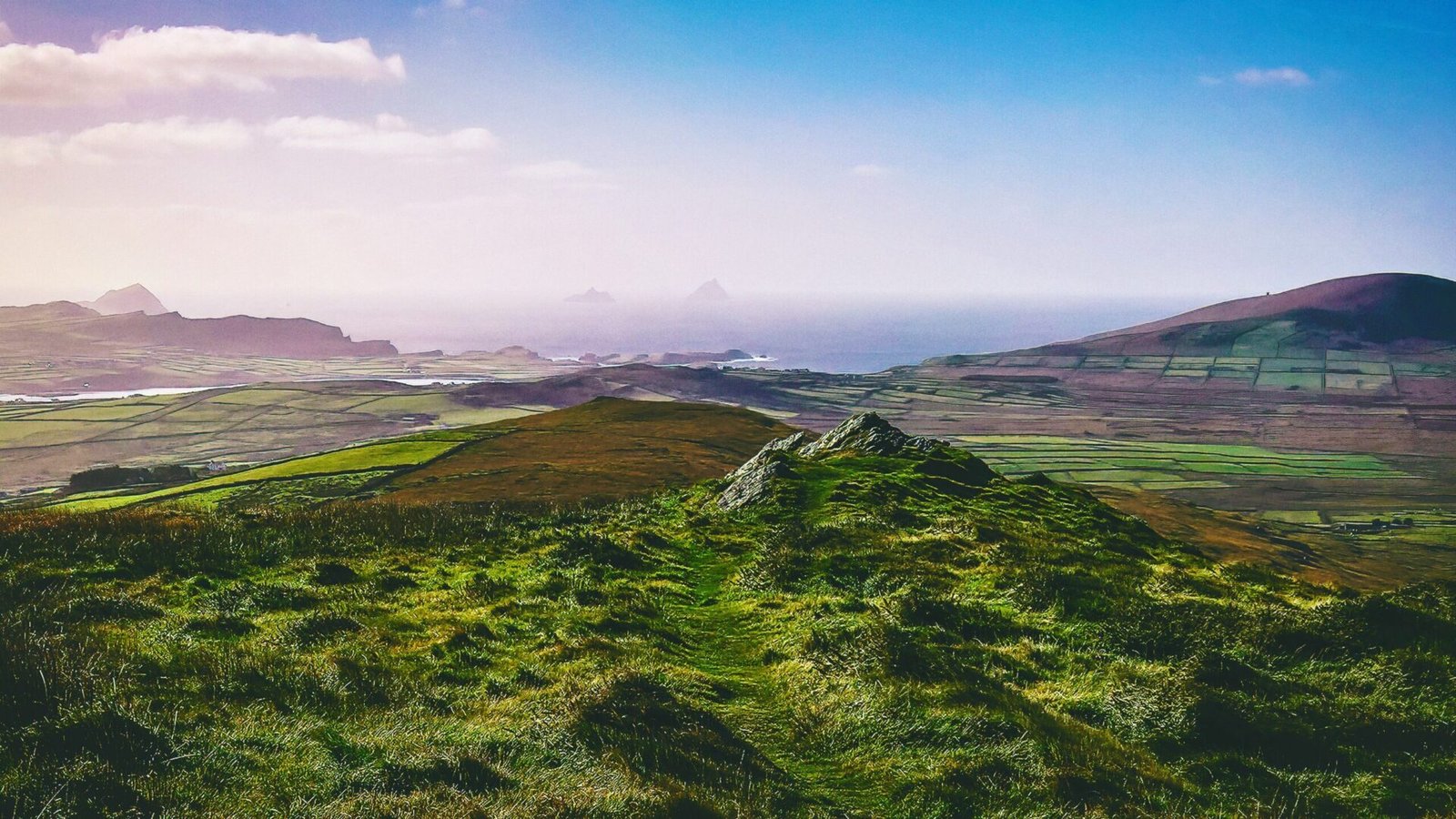
The Irish landscape, with its rugged terrain and abundant natural resources, played a significant role in shaping social structures. The distribution of resources such as fertile land, water, and metal ores influenced settlement patterns and, by extension, social organization. Regions rich in resources became centers of power, attracting populations and fostering the development of complex societies.
The construction of hillforts during the Late Bronze Age and Iron Age illustrates the interplay between landscape and social hierarchy. These fortified settlements, often situated on elevated ground, served as power centers for local chieftains. The strategic positioning of hillforts not only provided defense but also symbolized the chieftain’s control over the surrounding landscape. This relationship between landscape and power is reflected in Irish myth, where sacred hills and mountains often serve as the abodes of gods and heroes.
The Transition to a Feudal Society
With the arrival of the Celts around 500 BCE, Irish society underwent further transformation. The Celts brought with them a hierarchical social structure characterized by a warrior aristocracy, a class of druids, and a system of clientship. This period saw the emergence of the rí, or king, who ruled over a túath, a tribal kingdom. The king’s authority was supported by a retinue of warriors and advisors, including druids who served as priests, judges, and scholars.
The Celtic influence also introduced the concept of tanistry, a system of succession where the heir, or tánaiste, was elected during the reigning king’s lifetime. This practice ensured continuity of leadership while preventing power struggles, reflecting a pragmatic approach to governance. The tales of the Ulster Cycle, with their emphasis on loyalty, honor, and kinship, mirror the values of this hierarchical society.
The Impact of Christianity
The advent of Christianity in the 5th century CE marked a significant turning point in Irish social structure. The new religion brought with it a different worldview, emphasizing equality before God and challenging the existing social order. Monasteries became centers of learning and economic activity, attracting people from various social strata and fostering a sense of community that transcended traditional hierarchies.
However, rather than completely dismantling the existing social structure, Christianity often adapted to it. The church hierarchy mirrored secular power structures, with bishops and abbots wielding considerable influence. The integration of Christian and pagan traditions is evident in the hagiographies of saints like Patrick and Brigid, whose lives are intertwined with elements of pre-Christian myth and landscape.
The Legacy of Social Evolution
The evolution of social structures and hierarchies in Irish prehistory has left an indelible mark on the cultural landscape. From the egalitarian communities of the Neolithic to the complex hierarchies of the Celtic and Christian eras, each phase of social development has contributed to a rich tapestry of myth and tradition. These changes are not merely historical footnotes but are integral to understanding the enduring connection between the Irish people, their myths, and their landscape.
In contemporary Ireland, echoes of these ancient social structures can still be discerned. The enduring popularity of mythological figures, the reverence for sacred sites, and the celebration of cultural traditions all speak to a deep-seated connection to the past. As we continue to explore the impact of these changes on Irish society, we gain not only a deeper understanding of history but also a greater appreciation for the myths and landscapes that continue to shape the Irish identity.