Notable Figures of Mixed Heritage
The tapestry of human history is woven with threads of diverse cultures and intermingling lineages. In the context of Irish prehistory, the concept of mixed heritage is not only a modern phenomenon but a historical reality that has shaped societies and landscapes over millennia. This pillar page explores notable figures of mixed heritage, highlighting their impact on culture, myth, and the landscape of Ireland and beyond. Through their stories, we gain a deeper understanding of intermarriage and social integration as forces of cultural evolution and enrichment.
The Role of Intermarriage in Prehistoric Ireland
Intermarriage has been a significant factor in shaping societies throughout history. In prehistoric Ireland, the mingling of different tribes and cultures was a common occurrence, leading to the exchange of ideas, customs, and genetic diversity. The Celts, for example, were known for their fluid social structures, which allowed for alliances and unions between different groups. These intermarriages were often strategic, aimed at strengthening ties and ensuring peace between tribes.
The archaeological record provides evidence of such interactions. Burial sites and artifacts reveal the presence of goods and influences from distant lands, suggesting a network of trade and intermarriage that connected Ireland to the wider prehistoric world. These connections laid the groundwork for a rich cultural tapestry, where myths and legends were shared and adapted across generations.
Mythical Figures and Mixed Heritage
Irish mythology is replete with tales of heroes and deities of mixed heritage, embodying the fusion of different cultural elements. One such figure is Cú Chulainn, the legendary hero of the Ulster Cycle. Born to the mortal woman Deichtine and the god Lugh, Cú Chulainn’s story is one of duality, representing the union of human and divine. His exploits and adventures are emblematic of the blending of mortal and supernatural realms, a theme prevalent in many Irish myths.
Another notable figure is the goddess Brigid, revered in both pagan and Christian traditions. Brigid’s dual identity as a Celtic goddess and a Christian saint illustrates the syncretism that occurred as different belief systems intermingled. Her legacy endures in the landscape, with numerous wells, churches, and festivals dedicated to her across Ireland.
Historical Figures of Mixed Heritage
Moving beyond mythology, historical records also highlight individuals of mixed heritage who played pivotal roles in shaping Ireland’s history. One such figure is Strongbow, or Richard de Clare, a Norman nobleman who arrived in Ireland in the 12th century. Through his marriage to Aoife, daughter of the King of Leinster, Strongbow became a key player in the Norman invasion of Ireland. This union marked a significant moment in Irish history, symbolizing the blending of Norman and Gaelic cultures.
In more recent history, figures like Éamon de Valera, the prominent political leader and statesman, embody the complexities of mixed heritage. Born in New York to an Irish mother and a Spanish-Cuban father, de Valera’s life and career were shaped by his diverse background. As a leader of the Irish independence movement, he navigated the challenges of identity and integration, ultimately leaving a lasting impact on Ireland’s political landscape.
The Impact of Mixed Heritage on Culture and Society
The contributions of individuals of mixed heritage extend beyond the realms of myth and politics. In the arts, literature, and sciences, their influence has been profound. Writers like James Joyce, whose work reflects the complexities of identity and cultural fusion, have enriched Ireland’s literary heritage. Similarly, artists and musicians of mixed heritage have drawn inspiration from their diverse backgrounds, creating works that resonate with audiences worldwide.
In contemporary society, the concept of mixed heritage continues to evolve, reflecting changing attitudes towards identity and belonging. The increasing recognition and celebration of diverse backgrounds have led to a more inclusive understanding of what it means to be Irish. This shift is evident in the growing popularity of cultural festivals and events that celebrate Ireland’s multicultural heritage.
The Landscape as a Reflection of Mixed Heritage
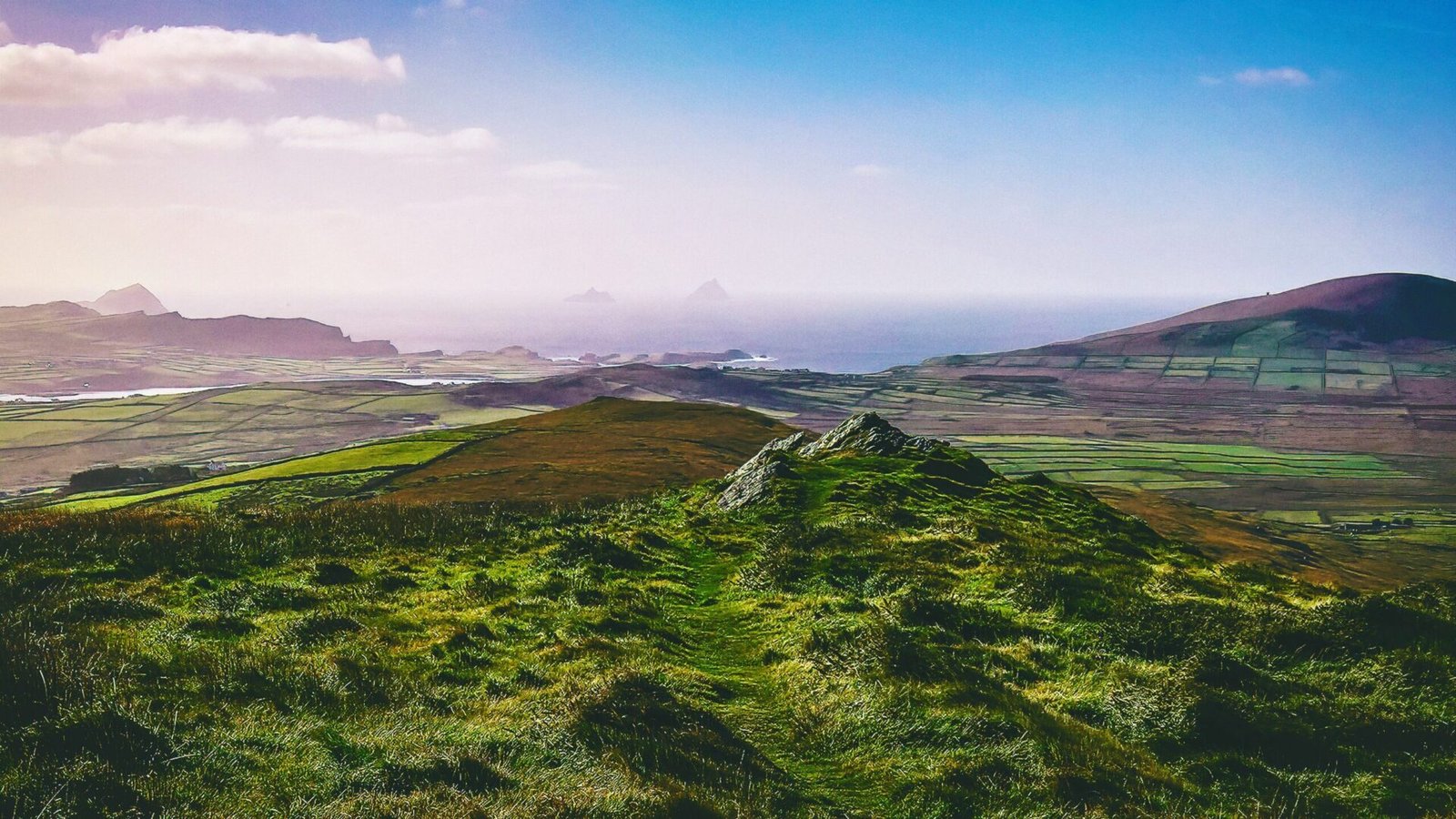
The Irish landscape itself bears witness to the legacy of mixed heritage. Ancient monuments, such as Newgrange and the Hill of Tara, stand as testaments to the complex interplay of cultures that have shaped the land. These sites, steeped in myth and history, serve as reminders of the enduring connections between people and place.
The names of towns, rivers, and mountains also reflect the linguistic and cultural influences that have shaped Ireland over the centuries. Gaelic, Norse, Norman, and English place names coexist, each telling a story of migration, settlement, and integration.
Conclusion
The stories of notable figures of mixed heritage offer valuable insights into the dynamics of intermarriage and social integration. Through their lives and legacies, we see how diverse backgrounds can contribute to the richness of culture and society. In the context of Irish prehistory, these stories remind us of the enduring power of human connections and the ways in which they have shaped the myths and landscapes of Ireland and beyond.