Notable Battles and Conflicts: An Exploration of Ireland’s Military Interactions
Ireland’s rich tapestry of history is woven with tales of valor, conflict, and the ceaseless ebb and flow of power across its verdant landscapes. From the legendary clashes of mythic heroes to the documented battles that shaped the nation’s course, military interactions have left an indelible mark on Irish prehistory and history. These conflicts not only reflect the strategic and martial prowess of their times but also illuminate the cultural and mythological narratives that have transcended generations.
The Battle of Clontarf: A Turning Point in Irish History
One of the most renowned battles in Irish history is the Battle of Clontarf, fought on Good Friday, April 23, 1014. This conflict is often romanticized as a decisive struggle between the Irish king Brian Boru and a coalition of Norse and Irish forces. The battle, which took place near Dublin, was the culmination of Brian Boru’s efforts to consolidate power and curb the influence of Viking settlers in Ireland.
Brian Boru, the High King of Ireland, was a formidable leader whose ambition was to unify the island under a single rule. His adversaries, led by the King of Leinster and the Norsemen of Dublin, sought to resist his dominance. The battle was fierce and bloody, with both sides suffering significant casualties. Although Brian Boru was killed, his forces emerged victorious, effectively ending the Viking threat in Ireland.
The Battle of Clontarf is steeped in myth and legend, often portrayed as a heroic struggle against foreign invaders. It has become emblematic of Irish resistance and resilience, immortalized in bardic poetry and folklore. The battlefield itself, near modern-day Clontarf, remains a poignant reminder of this pivotal moment in Irish history.
The Táin Bó Cúailnge: Mythic Warfare and Cultural Identity
While the Battle of Clontarf is grounded in historical fact, the Táin Bó Cúailnge (The Cattle Raid of Cooley) represents the mythological aspect of Ireland’s military interactions. This epic tale, part of the Ulster Cycle of Irish mythology, recounts the exploits of the hero Cú Chulainn as he defends the kingdom of Ulster against the forces of Connacht.
The Táin is a narrative of heroism, strategy, and supernatural feats. Cú Chulainn, often compared to Achilles, is depicted as a warrior of unmatched prowess, capable of single-handedly holding back entire armies. The conflict centers around the theft of a prized bull, a symbol of wealth and power, underscoring the importance of cattle in ancient Irish society.
This mythological conflict serves as a cultural touchstone, illustrating the values of bravery, honor, and loyalty. It also reflects the landscape of Ireland, with its rolling hills and sacred sites playing a crucial role in the narrative. The Táin has been passed down through generations, shaping Irish cultural identity and influencing subsequent literary works.
The Norman Invasion: Transformative Encounters
The Norman invasion of Ireland in the 12th century marked a significant shift in the island’s military and political landscape. Initiated by Dermot MacMurrough, the exiled King of Leinster, who sought the assistance of the Norman Lord Richard de Clare, known as Strongbow, this invasion set the stage for centuries of English involvement in Irish affairs.
The Normans, with their advanced military techniques and feudal system, introduced new dynamics to Irish warfare. Their castles and fortifications dotted the landscape, symbolizing their enduring presence. The Battle of Baginbun in 1170, where Strongbow’s forces decisively defeated a combined Irish force, was a key moment in establishing Norman control.
The Norman invasion is a testament to the complexities of alliances and enmities in medieval Ireland. It highlights the interplay between indigenous Irish kingdoms and external forces, reshaping the social and political fabric of the island. The legacy of this invasion is evident in the architectural and cultural influences that persist to this day.
The Nine Years’ War: Resistance and Rebellion
The Nine Years’ War (1594-1603) was a protracted conflict that underscored the tension between English rule and Irish autonomy. Led by Hugh O’Neill, the Earl of Tyrone, and Hugh Roe O’Donnell, the Irish chieftains sought to resist English encroachment and preserve their traditional way of life.
The war was characterized by guerrilla tactics, ambushes, and sieges, with the Irish forces utilizing their knowledge of the terrain to great advantage. The Battle of the Yellow Ford in 1598 was a significant Irish victory, demonstrating their ability to challenge English military supremacy.
Despite initial successes, the Irish alliance ultimately faltered, culminating in the defeat at the Battle of Kinsale in 1601. The war ended with the Treaty of Mellifont in 1603, which marked the beginning of increased English control and the erosion of Gaelic power.
The Nine Years’ War is a poignant chapter in Irish history, symbolizing the struggle for sovereignty and the resilience of the Irish spirit. It also laid the groundwork for future conflicts and the enduring quest for independence.
The Influence of Landscape on Warfare
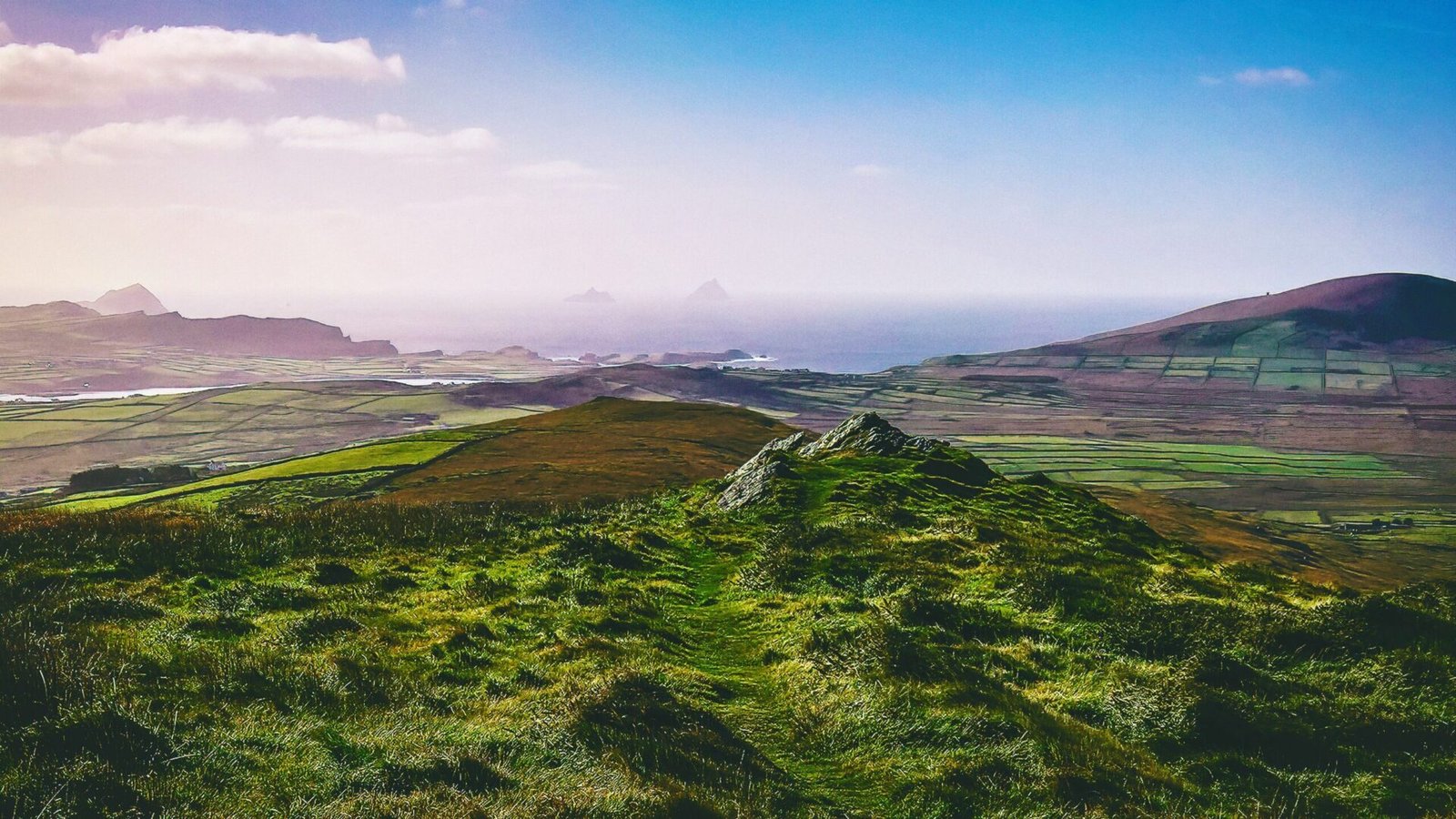
The Irish landscape, with its rugged terrain, dense forests, and expansive bogs, has played a crucial role in shaping military interactions throughout history. The natural environment provided both challenges and advantages, influencing the strategies and outcomes of battles.
In the mythological narratives, the landscape is often imbued with supernatural qualities, serving as both a backdrop and a participant in the unfolding drama. Sacred sites, such as Tara and Emain Macha, hold significant cultural and spiritual meaning, reinforcing the connection between the land and its people.
In historical conflicts, the landscape offered strategic advantages, such as the ability to launch ambushes or utilize natural defenses. The knowledge of the terrain was a valuable asset, particularly for indigenous forces resisting foreign invaders.
The interplay between military interactions, myths, and the landscape is a defining feature of Ireland’s history. It reflects the deep connection between the people and their environment, shaping their identity and legacy.
Conclusion
The battles and conflicts of Ireland, both historical and mythological, offer a window into the island’s complex past. They reveal the interplay of power, culture, and identity, highlighting the resilience and adaptability of the Irish people. As we explore these military interactions, we gain a deeper understanding of Ireland’s rich heritage and the enduring influence of its myths and landscapes.