The Role of Norse Mercenaries in Gaelic Warfare
The tapestry of Irish prehistory is woven with threads of myth, landscape, and the vibrant interplay of diverse cultures. One of the most intriguing and impactful interactions in this tapestry is the role of Norse mercenaries in Gaelic warfare. This chapter delves into the dynamic relationship between Norse warriors and Gaelic chieftains, exploring how these interactions shaped the military landscape of Ireland and left an indelible mark on its history.
The Arrival of the Norsemen
The story of Norse mercenaries in Gaelic warfare begins with the arrival of the Vikings on Irish shores. In the late 8th century, Norse seafarers began their incursions into Ireland, initially as raiders seeking plunder and glory. However, as the centuries progressed, their role evolved from marauders to settlers, traders, and, eventually, mercenaries. By the 9th and 10th centuries, Norsemen had established permanent settlements, known as longphorts, along the Irish coast, including key locations such as Dublin, Waterford, and Limerick. These settlements became hubs of cultural exchange and economic activity, setting the stage for Norse involvement in Gaelic warfare.
The Mercenary Tradition
The use of mercenaries was not alien to Gaelic warfare; Irish chieftains often employed foreign warriors to bolster their forces. Norse mercenaries, or “Gall Gaeil” as they were sometimes called, were highly sought after for their martial prowess and seafaring skills. These mercenaries brought with them a distinct style of combat, characterized by their use of longships for rapid movement and their formidable skills in hand-to-hand combat. Their presence on the battlefield added a new dimension to Gaelic warfare, blending Norse tactics with traditional Irish strategies.
Tactical Innovations and Adaptations
The integration of Norse mercenaries into Gaelic armies led to significant tactical innovations. Norse warriors were renowned for their discipline and organization, qualities that were sometimes lacking in the more loosely organized Gaelic forces. The use of shield walls, a staple of Norse combat, was adopted by some Irish chieftains, providing a more structured approach to battle. Additionally, Norse expertise in naval warfare allowed Gaelic leaders to project power across water, conducting raids and transporting troops with unprecedented efficiency.
The adaptability of Norse mercenaries also played a crucial role in their success. Many Norsemen assimilated into Gaelic culture, adopting local customs and language while maintaining their martial traditions. This cultural fusion created a unique warrior class that was both Norse and Gaelic, able to navigate the complexities of Irish politics and warfare with ease.
Key Battles and Campaigns
The impact of Norse mercenaries is evident in several key battles and campaigns throughout Irish history. One notable example is the Battle of Clontarf in 1014, where Norse mercenaries fought on both sides of the conflict. The battle, which pitted the forces of the High King of Ireland, Brian Boru, against a coalition of Norse and Irish opponents, was a defining moment in Irish history. The involvement of Norse warriors on both sides highlights the complex web of alliances and rivalries that characterized this period.
Another significant campaign was the struggle for control of Dublin, a Norse-Gaelic stronghold. Throughout the 10th and 11th centuries, various Irish kings and chieftains vied for dominance over the city, often employing Norse mercenaries to bolster their forces. The strategic importance of Dublin as a center of trade and military power made it a coveted prize, and Norse warriors played a pivotal role in the city’s turbulent history.
Cultural Exchange and Legacy
The presence of Norse mercenaries in Gaelic warfare facilitated a rich cultural exchange that extended beyond the battlefield. Norse influence is evident in Irish art, language, and mythology. The blending of Norse and Gaelic traditions gave rise to a unique cultural synthesis, reflected in the sagas and legends of the time. The figure of the Norse warrior became a staple in Irish folklore, often depicted as both a fearsome adversary and a valued ally.
The legacy of Norse mercenaries can also be seen in the genetic makeup of modern Ireland. Recent studies have shown that many Irish people carry Norse ancestry, a testament to the lasting impact of these interactions. The Norse contribution to Irish society, though often overshadowed by their reputation as raiders, is a vital part of the island’s historical narrative.
The Landscape of Conflict
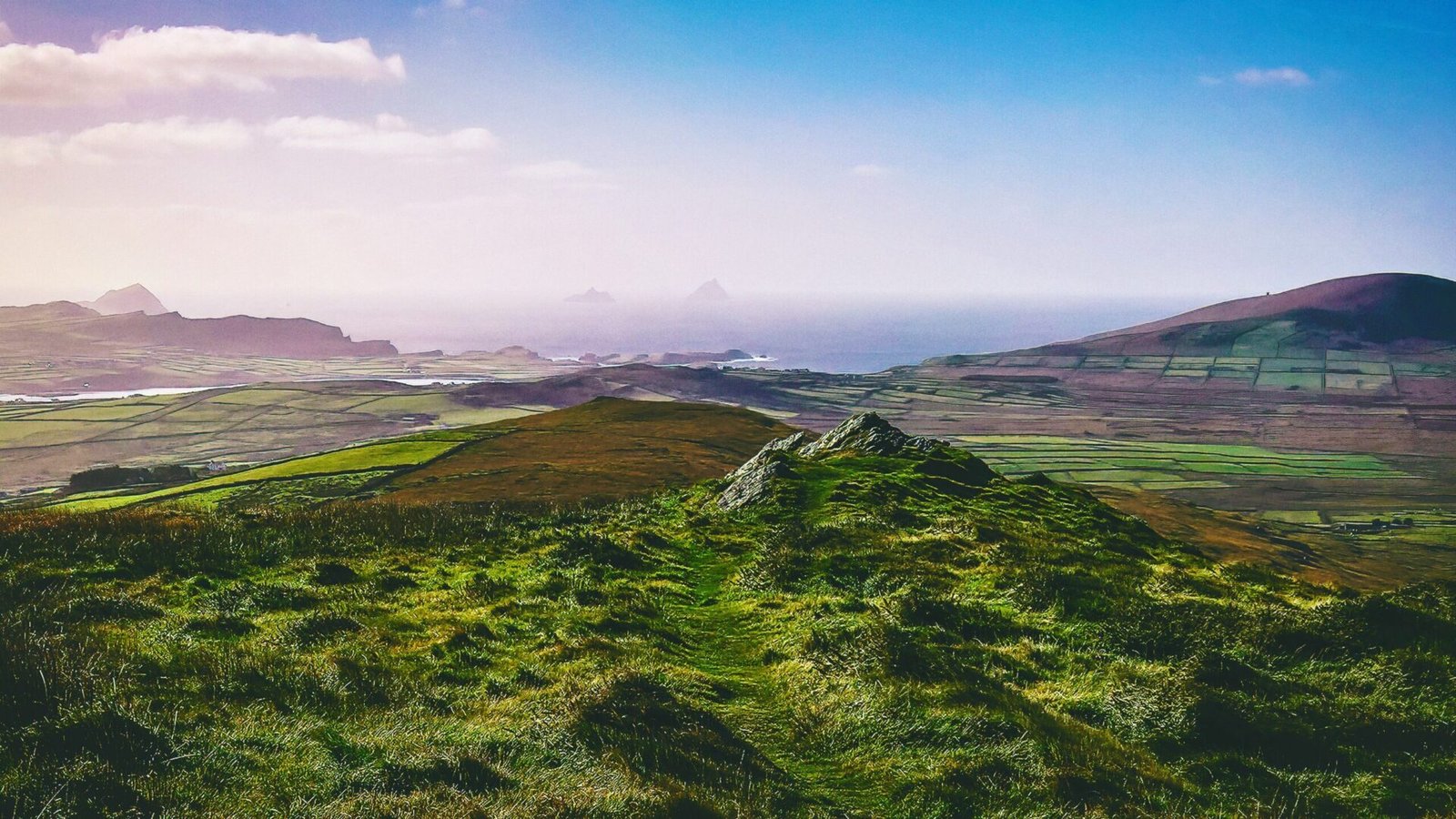
The physical landscape of Ireland also bears the marks of Norse-Gaelic interactions. Many of the longphorts established by Norse settlers evolved into thriving towns and cities, shaping the economic and social landscape of the region. The strategic use of natural features, such as rivers and coastlines, by Norse mercenaries in warfare left a lasting imprint on the geography of conflict in Ireland.
Moreover, the Norse penchant for fortification influenced the construction of defensive structures across the island. The blending of Norse and Gaelic architectural styles can be seen in the remains of ancient fortresses and settlements, providing a tangible link to this dynamic period of history.
Conclusion
The role of Norse mercenaries in Gaelic warfare is a testament to the complex and multifaceted nature of cultural interactions in Irish prehistory. These warriors, with their distinctive blend of Norse and Gaelic traditions, played a crucial role in shaping the military, cultural, and social landscape of Ireland. Their legacy, woven into the fabric of Irish history, continues to resonate in the myths, landscape, and people of modern Ireland.