The Establishment of Trading Posts and Towns: Norse Settlement in Ireland
The Viking incursions into Ireland, beginning in the late 8th century, were initially characterized by raiding and plundering. However, as the Norse influence expanded, their presence evolved from transient marauders to settlers who left an indelible mark on the Irish landscape. This transformation is most vividly illustrated through the establishment of trading posts and towns, which became focal points of cultural exchange, economic development, and societal integration. The legacy of these settlements is woven into the fabric of Irish prehistory, intertwining with myths and shaping the landscape.
The Genesis of Norse Trading Posts
The Norsemen, renowned for their seafaring prowess, initially arrived on Irish shores in search of wealth and resources. The first phase of Norse activity was marked by hit-and-run raids on monasteries and settlements, seeking easily transportable treasures. However, the strategic minds of the Vikings soon recognized the potential of Ireland as a hub for trade. The establishment of trading posts, or “longphorts,” marked a pivotal shift from raiding to commerce.
These longphorts were strategically positioned along rivers and coastlines, facilitating easy access for ships and providing defensible positions against hostile forces. Dublin, founded around 841 AD, became one of the most prominent Norse trading posts. Its location at the confluence of the River Liffey and the Irish Sea made it an ideal center for trade, connecting Ireland to a vast network that extended from Scandinavia to the Mediterranean.
The Rise of Norse Towns
As the Norse presence in Ireland solidified, the temporary trading posts evolved into permanent settlements. The transition from longphorts to towns was marked by the construction of more durable structures, including fortified enclosures and timber buildings. These burgeoning towns became melting pots of Norse and Gaelic cultures, fostering interactions that would shape the future of Ireland.
Waterford, Wexford, Cork, and Limerick are among the towns that owe their origins to the Norse settlers. These towns were not only centers of trade but also hubs of administration and governance. The Norse brought with them a sophisticated system of laws and governance, which they integrated with existing Gaelic customs. The Thing, a Norse assembly for legal and political matters, was adapted to suit the local context, illustrating the pragmatic approach of the settlers in blending cultures.
Economic and Cultural Impact
The establishment of Norse trading posts and towns had a profound economic impact on Ireland. The Norse introduced new goods, technologies, and trading practices, which stimulated local economies. The exchange of goods such as textiles, silver, and slaves became commonplace, and Ireland’s role in the broader European trade network was solidified.
Culturally, the Norse settlers left an indelible mark on Ireland. The fusion of Norse and Gaelic traditions gave rise to a unique cultural milieu. Language, art, and mythology were all influenced by this cultural exchange. Norse sagas and Gaelic stories began to intertwine, creating a rich tapestry of myths that reflected the complexities of this new societal landscape. The Norse pantheon of gods and heroes found echoes in Irish folklore, while Gaelic motifs appeared in Norse art, illustrating the depth of cultural integration.
The Role of Norse Settlements in Myth and Legend
The Norse settlements in Ireland are not only significant in historical terms but also in the realm of myth and legend. The Viking presence in Ireland has been immortalized in the annals of both Norse and Irish mythology. The tales of fierce Viking warriors and their exploits are woven into the fabric of Irish folklore, often blurring the lines between history and legend.
One such legend is that of the Viking warrior-king, Ivar the Boneless, who is said to have established a stronghold in Dublin. His legacy is shrouded in mystery, with tales of his cunning and ruthlessness enduring through the ages. Similarly, the Norse god Odin, known for his wisdom and quest for knowledge, found a place in Irish myth as a figure of intrigue and power.
Archaeological Evidence and the Irish Landscape
The archaeological evidence of Norse settlements in Ireland provides valuable insights into the lives of these early settlers. Excavations in Dublin and other Norse towns have uncovered artifacts that reveal the daily lives, trade practices, and cultural exchanges of the Norse settlers. Items such as pottery, tools, and jewelry bear witness to the craftsmanship and artistic influences that characterized this period.
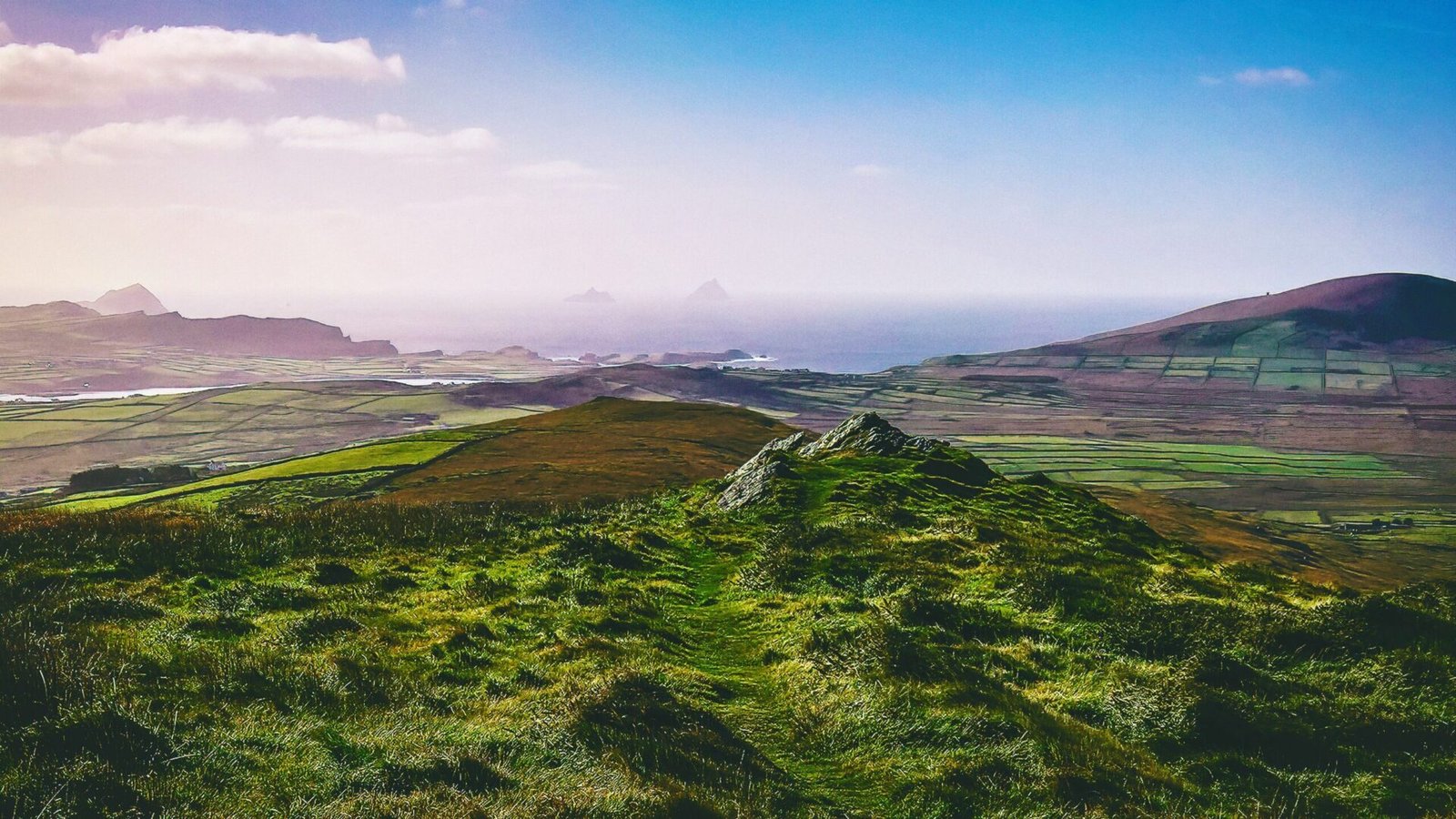
The Irish landscape itself bears the imprint of Norse settlement. Place names of Norse origin, such as those ending in “-ford” or “-vik,” are scattered across the country, serving as linguistic markers of the Norse presence. These place names offer a glimpse into the geographical spread and influence of the Norse settlers, highlighting the enduring legacy of their settlements.
The Legacy of Norse Settlement in Ireland
The Norse settlements in Ireland, from their humble beginnings as trading posts to their evolution into thriving towns, played a crucial role in shaping the course of Irish history. The legacy of these settlements is evident in the cultural, economic, and political developments that followed. The fusion of Norse and Gaelic cultures gave rise to a unique identity that continues to influence Irish society to this day.
In the broader context of Irish prehistory, the Norse settlements serve as a testament to the dynamic interactions between different cultures and peoples. The myths and legends that emerged from this period reflect the complexities of these interactions, offering a window into a world where history and mythology intertwine.
As we explore the Norse settlement in Ireland, we uncover a narrative that is both historical and mythical, revealing the profound impact of these settlers on the Irish landscape and its people. The story of the Norse in Ireland is one of transformation, adaptation, and integration, a story that continues to resonate through the ages, shaping the myths and landscapes of Ireland.