Trade and Economic Exchange in Irish Prehistory: Goods Exchanged
In the tapestry of Irish prehistory, the exchange of goods played a crucial role in shaping the cultural and economic landscape. The movement of goods such as textiles, metalwork, and even slaves not only facilitated trade but also fostered connections with other cultures, influencing myths and the perception of the landscape. This dynamic interplay between commerce and culture provides a fascinating insight into the lives of prehistoric communities in Ireland.
Textiles: Weaving the Fabric of Society
Textiles were among the most significant goods exchanged in prehistoric Ireland, serving both practical and symbolic purposes. The production of textiles involved intricate skills, from spinning and weaving to dyeing, which were often passed down through generations. Wool, flax, and other natural fibers were the primary materials used, with wool being particularly abundant due to the pastoral nature of early Irish societies.
The exchange of textiles was not merely about the material itself but also about the transmission of techniques and styles. As textiles moved across regions, they carried with them patterns and designs that reflected cultural identities and artistic expressions. The presence of textiles in burial sites and hoards suggests their importance in social status and ritual contexts, where they were often used as offerings or symbols of wealth.
Metalwork: The Craft of Transformation
Metalwork represents one of the most transformative aspects of prehistoric trade in Ireland. The Bronze Age, in particular, heralded a new era of craftsmanship, with bronze, gold, and later iron being central to the economy and culture. Metal objects, ranging from tools and weapons to jewelry and ceremonial items, were not only practical but also held deep symbolic meaning.
The exchange of metal goods facilitated technological advancements and cultural exchanges between Ireland and other regions. The arrival of ironworking techniques, for instance, marked a significant shift in societal organization and warfare. Metal artifacts found in Ireland often exhibit influences from continental Europe, indicating a vibrant network of trade and communication.
The mythological significance of metalwork is also evident in Irish folklore, where legendary smiths and craftsmen are often depicted as possessing magical abilities. These stories reflect the reverence for the skill and artistry involved in metalworking, as well as the belief in the transformative power of metal.
Slavery: The Human Commodity
While the exchange of textiles and metalwork highlights the creativity and innovation of prehistoric societies, the trade in slaves underscores a darker aspect of economic exchange. Slavery in prehistoric Ireland, as in many ancient societies, was a complex institution that involved the capture, sale, and exploitation of human beings.
Slaves were often acquired through warfare, raids, or as a form of debt repayment. They were considered valuable commodities and were used for various purposes, including labor, domestic service, and even as offerings in religious rituals. The presence of slaves in Ireland is attested by historical records and archaeological evidence, which reveal the harsh realities of their existence.
The role of slavery in trade networks was significant, as it facilitated the movement of people and ideas across regions. However, it also contributed to social stratification and conflict, as communities sought to control and exploit this human resource.
The Role of Myths in Trade and Exchange
Myths and legends are integral to understanding the cultural context of trade and exchange in prehistoric Ireland. These stories often reflect the values, beliefs, and aspirations of the societies that created them, offering insights into how goods and trade were perceived.
For instance, the myth of the Tuatha Dé Danann, a supernatural race believed to have brought advanced knowledge and skills to Ireland, can be seen as a metaphor for the introduction of new technologies and goods through trade. Similarly, tales of voyages to distant lands and encounters with otherworldly beings may symbolize the exploration and exchange that characterized prehistoric trade networks.
Myths also served as a means of legitimizing trade practices and the social hierarchies they created. By embedding trade within a mythological framework, societies could justify the accumulation of wealth and the exploitation of resources, both human and material.
The Landscape as a Canvas for Exchange
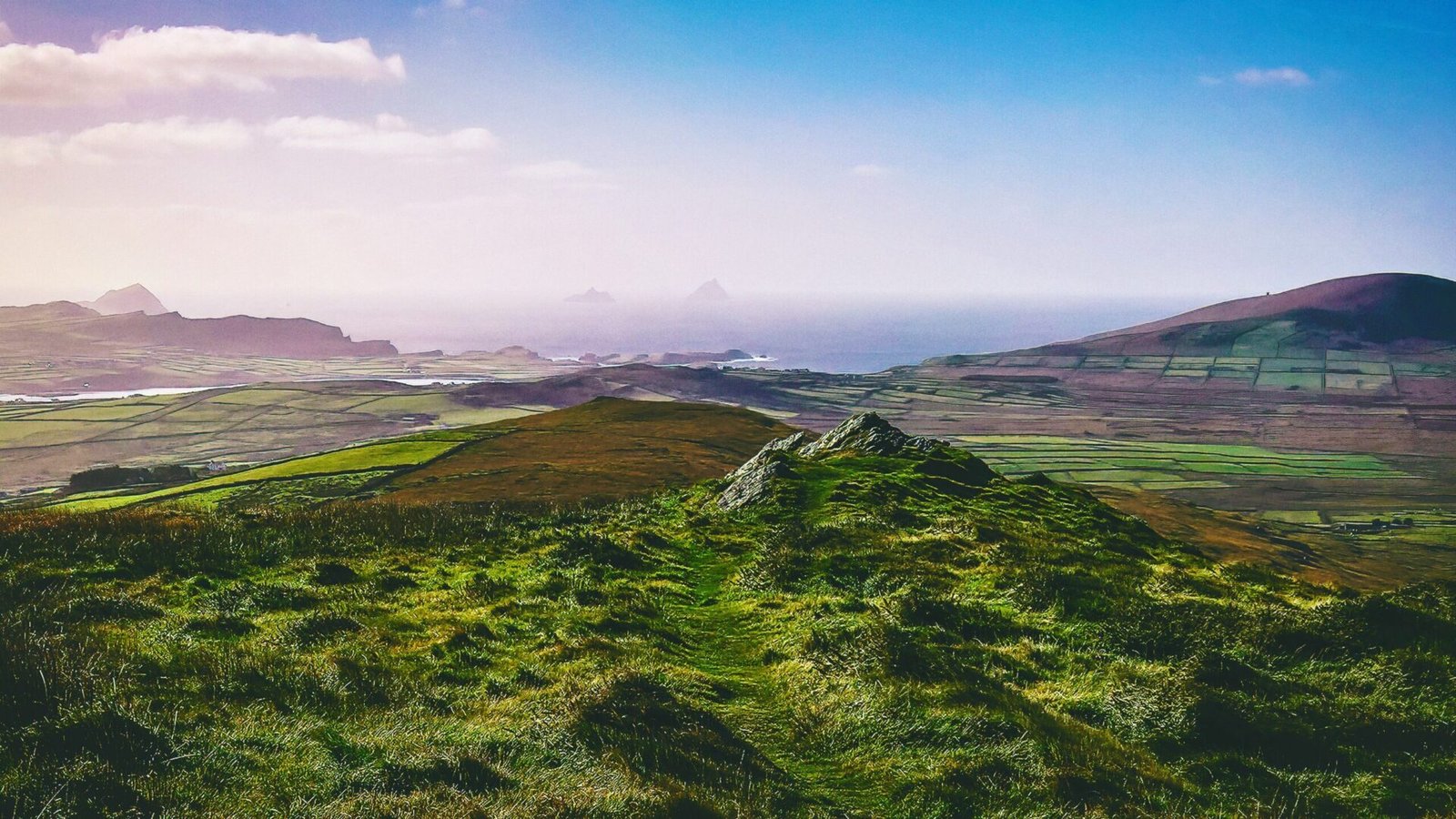
The Irish landscape played a crucial role in facilitating trade and economic exchange. Its rivers, coastlines, and natural resources provided the means for transportation and production, while its geography influenced the development of trade routes and centers.
The construction of monumental structures such as passage tombs and stone circles can be seen as both a product of and a catalyst for trade. These sites often served as focal points for gatherings and exchanges, where goods, ideas, and cultural practices were shared.
Moreover, the landscape itself became imbued with mythological significance, as places associated with trade and exchange took on symbolic meanings. The intertwining of natural and cultural elements in the landscape reflects the deep connection between the environment and human activity in prehistoric Ireland.
The Interconnectedness of Trade and Culture
The exchange of goods in prehistoric Ireland was not an isolated economic activity but a complex interplay of social, cultural, and environmental factors. It facilitated the spread of technology, ideas, and cultural practices, contributing to the development of a rich and diverse society.
The goods exchanged, whether textiles, metalwork, or slaves, were more than mere commodities; they were carriers of cultural identity and agents of change. Through trade, prehistoric Irish societies were able to connect with the wider world, drawing on a tapestry of influences that shaped their myths, landscapes, and way of life.
In exploring the goods exchanged in prehistoric Ireland, we uncover a narrative of innovation, interaction, and transformation that resonates through the ages, offering a window into the lives and legacies of those who once inhabited this ancient land.