Influence on Language, Law, and Customs
The prehistoric era of Ireland is a tapestry woven with threads of myth, landscape, and cultural exchange. At the heart of this intricate weave lies the profound influence of external forces on the island’s language, legal systems, and customs. To explore these influences is to delve into a world where the boundaries between history and myth blur, revealing the dynamic and evolving nature of Irish society.
The Linguistic Tapestry
Ireland’s linguistic landscape is a testament to its rich history of cultural exchange. The earliest inhabitants of the island spoke languages that have long since vanished, leaving only faint echoes in the archaeological record. However, with the arrival of the Celts around 500 BCE, the linguistic tapestry of Ireland began to take on a new form. The Celtic language, which would eventually evolve into Old Irish, became the dominant tongue, deeply influencing the island’s culture and identity.
The Celts themselves were not a monolithic group but a collection of tribes with diverse dialects and customs. As they settled in Ireland, their language absorbed elements from the indigenous tongues, creating a unique linguistic blend. This fusion is evident in the rich oral tradition of Ireland, where stories, myths, and poetry were passed down through generations, each retelling adding new layers of meaning and nuance.
The arrival of Christianity in the 5th century brought Latin, the language of the Roman Church, further enriching the linguistic landscape. Monasteries became centers of learning and literacy, preserving not only religious texts but also Irish myths and legal codes. The interplay between Latin and Old Irish gave rise to a bilingual culture that would shape the island’s intellectual and cultural life for centuries.
The Evolution of Law
The legal systems of prehistoric Ireland were as complex and multifaceted as its language. The Brehon Laws, named after the Brehons or judges who administered them, were the customary laws of Gaelic Ireland. These laws, which predate the arrival of the Celts, were a reflection of a society that valued kinship, honor, and restitution over punishment.
The Brehon Laws were not static; they evolved over time, influenced by both internal developments and external contacts. The arrival of the Celts brought new legal concepts and practices, which were integrated into the existing framework. This adaptability ensured the resilience of the Brehon Laws, allowing them to remain in force for over a millennium.
With the spread of Christianity, the legal landscape of Ireland underwent further transformation. The Church introduced canon law, which coexisted with the Brehon Laws, sometimes complementing and at other times conflicting with them. Monasteries became centers of legal scholarship, where ecclesiastical and secular laws were studied and reconciled. This blending of legal traditions is evident in the surviving law tracts, which often incorporate Christian principles into the fabric of traditional Irish law.
Customs and Cultural Exchange
The customs of prehistoric Ireland were shaped by a confluence of indigenous practices and external influences. The Celts, with their rich mythology and vibrant cultural traditions, left an indelible mark on Irish society. Their festivals, such as Samhain and Beltane, became integral parts of the Irish calendar, celebrated with rituals that honored the cycles of nature and the changing seasons.
The influence of Christianity brought new customs and celebrations, which were often layered onto existing pagan practices. This syncretism is evident in the celebration of St. Brigid’s Day, which coincides with the ancient festival of Imbolc, marking the beginning of spring. The blending of Christian and pagan elements is a hallmark of Irish cultural identity, reflecting a society that embraced new ideas while preserving its ancestral heritage.
Trade and interaction with neighboring cultures also played a crucial role in shaping Irish customs. The exchange of goods and ideas with the Romans, the Vikings, and later the Normans introduced new technologies, artistic styles, and social practices. These interactions enriched Irish culture, leading to innovations in areas such as metallurgy, agriculture, and architecture.
The Mythic Landscape
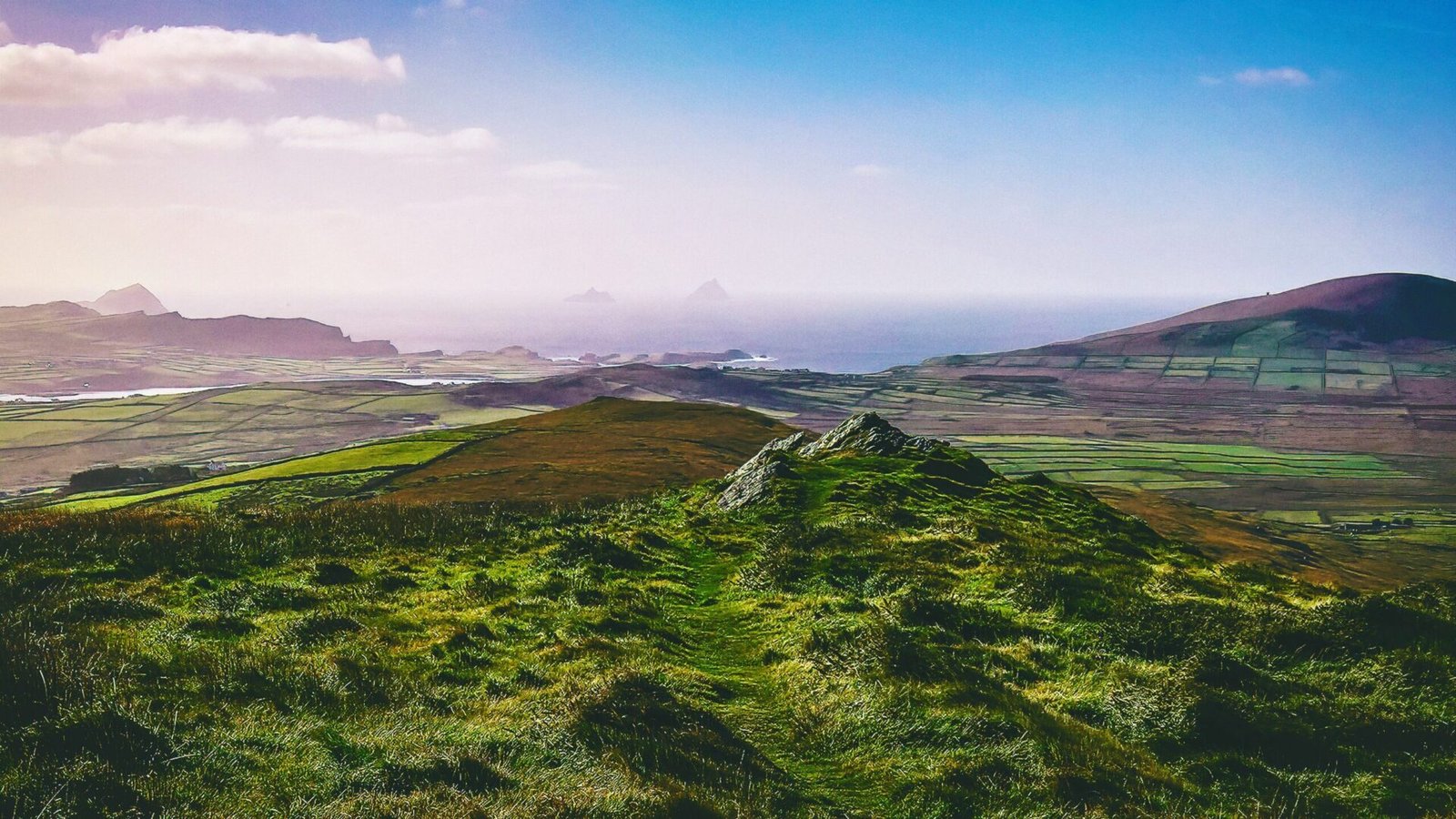
The landscape of Ireland is not just a backdrop but an active participant in the island’s cultural narrative. The rolling hills, ancient forests, and rugged coastlines are imbued with stories and legends that speak to the deep connection between the land and its people. This mythic landscape is both a source of inspiration and a repository of cultural memory.
The influence of external cultures is evident in the way the Irish landscape is interpreted and understood. The Celts, with their reverence for nature, saw the land as a living entity, inhabited by gods, spirits, and ancestral beings. This worldview is reflected in the tales of the Tuatha Dé Danann, a mythical race said to have inhabited Ireland before the arrival of the Celts. These stories, passed down through generations, preserve the memory of a time when the boundaries between the human and the divine were fluid and permeable.
The Christianization of Ireland introduced new interpretations of the landscape, as monastic communities established themselves in remote and rugged locations. These sites, such as Skellig Michael and Glendalough, became centers of spiritual reflection and pilgrimage, integrating the natural beauty of the landscape with the quest for divine understanding.
The Enduring Legacy
The influence of cultural exchange and political dynamics in prehistoric Ireland is a testament to the island’s ability to adapt and evolve. The interplay of language, law, and customs reveals a society that was both resilient and innovative, capable of integrating new ideas while preserving its unique identity. This legacy continues to shape modern Ireland, where the echoes of the past resonate in the language, legal systems, and cultural practices of the present.
The study of these influences offers a window into the complex and dynamic world of Irish prehistory, where myth and reality intertwine to create a rich tapestry of human experience. As we explore this fascinating period, we gain a deeper understanding of the forces that have shaped not only Ireland but the broader human story.