Rechru (Skellig Michael): A Pillar of History and Myth
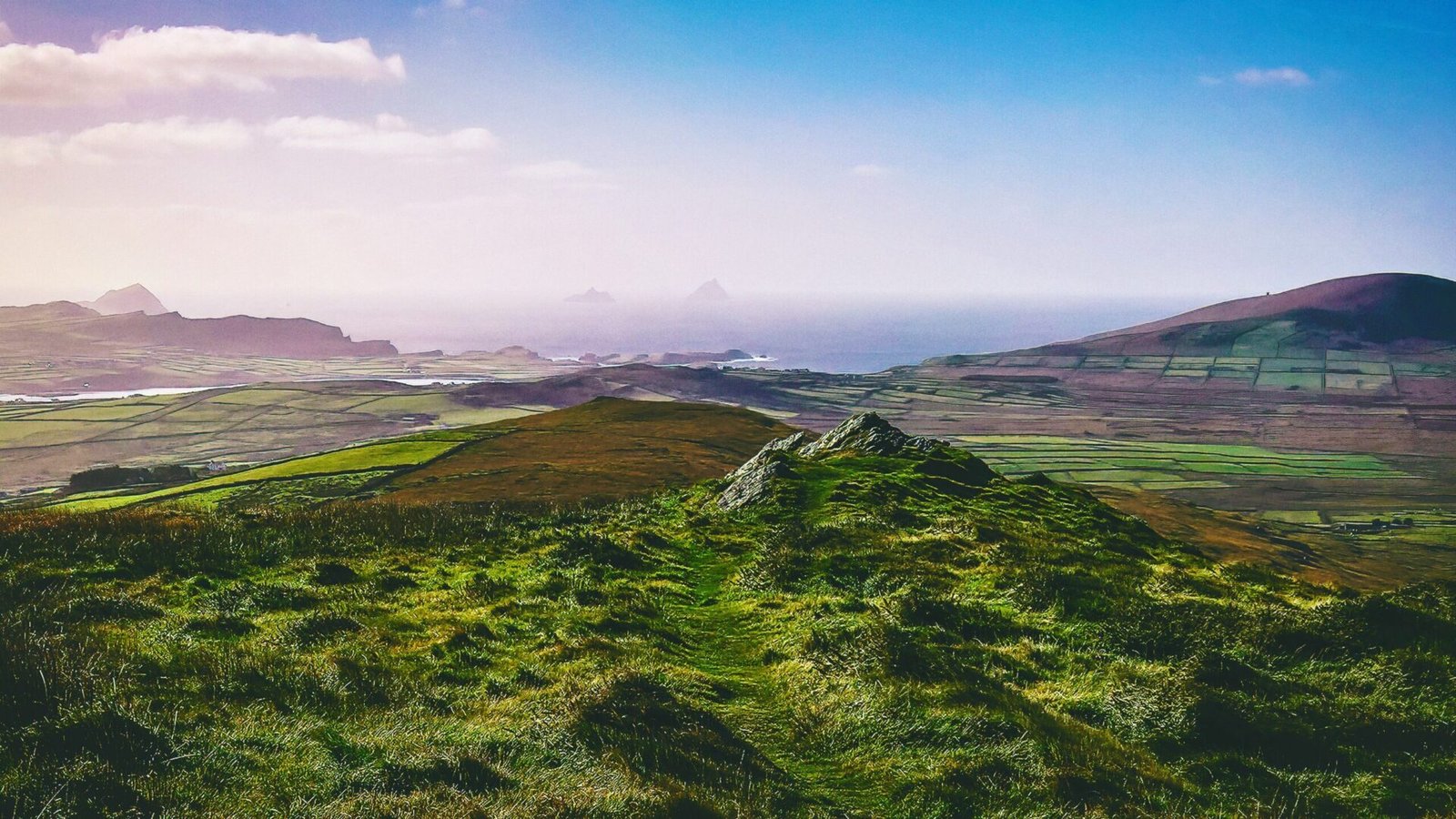
Nestled in the tempestuous waters of the Atlantic Ocean, off the southwestern coast of Ireland, lies the enigmatic island of Skellig Michael, known in ancient times as Rechru. This craggy, remote outcrop, part of the Skellig Islands, is not only a UNESCO World Heritage site but also a focal point in the tapestry of Irish prehistory, myth, and early medieval history. Its dramatic cliffs and monastic ruins serve as a testament to the island’s storied past, woven with threads of early Christian monasticism, Viking raids, and mythological narratives.
The Monastic Settlement: A Beacon of Early Christianity
The monastic settlement on Skellig Michael dates back to the 6th or 7th century, a period when early Christian monks sought isolation in their quest for spiritual enlightenment. The monks constructed a monastery perched precariously on the island’s steep slopes, comprising beehive-shaped stone huts, or clocháns, a small church, and a network of terraces and stairways. These structures, built from the island’s native rock without the use of mortar, have withstood the test of time and elements, offering a glimpse into the ascetic lives of the monks who once inhabited them.
The choice of Skellig Michael as a monastic site was no accident. The island’s isolation and rugged beauty provided the perfect backdrop for contemplation and devotion, echoing the early Christian ideal of the desert fathers who sought solitude in barren landscapes. The monks’ daily lives were marked by prayer, manual labor, and the transcription of religious texts, contributing to the preservation and dissemination of Christian doctrine during a time when much of Europe was immersed in the Dark Ages.
Viking Raids: A Clash of Cultures
Skellig Michael’s remote location did not shield it from the reach of Viking marauders, who swept across Ireland between the 8th and 11th centuries. The island’s monastic community became a target for these seafaring raiders, who were drawn by the promise of wealth stored within the monastery’s walls. The annals of Irish history recount several Viking incursions, which, although devastating, also fostered a complex cultural exchange between the Norse and the Irish.
The raids on Skellig Michael are emblematic of the broader Viking impact on Ireland, which saw the establishment of trade routes, the founding of coastal cities like Dublin and Waterford, and the introduction of new technologies and artistic styles. Despite the violence of these encounters, the resilience of the monastic community on Skellig Michael is evident in the continued occupation of the site until the 12th century, when changing political and ecclesiastical landscapes prompted the monks to relocate to the mainland.
Myth and Legend: The Island of Angels
Skellig Michael’s allure extends beyond its historical significance; it is steeped in myth and legend, enriching the island’s cultural tapestry. According to local folklore, the island was the site of a battle between the archangel Michael and the forces of darkness, a narrative that underscores the island’s sacred status and its association with spiritual warfare.
The island is also linked to Irish mythology, particularly the tales of the Tuatha Dé Danann, a race of supernatural beings said to have inhabited Ireland in ancient times. Some legends suggest that Skellig Michael was a portal to the Otherworld, a mystical realm inhabited by gods and fairies. These narratives, passed down through generations, highlight the island’s role as a liminal space, a bridge between the earthly and the divine.
The Natural World: A Sanctuary of Biodiversity
Beyond its historical and mythological significance, Skellig Michael is a sanctuary of natural beauty and biodiversity. The island’s rugged terrain and harsh climate have fostered a unique ecosystem, home to a variety of seabirds, including puffins, gannets, and kittiwakes. The surrounding waters teem with marine life, from playful dolphins to basking sharks, making the island a haven for wildlife enthusiasts and researchers.
The interplay between the island’s natural environment and its human history is a testament to the resilience and adaptability of both nature and the monastic inhabitants who once called Skellig Michael home. The monks’ ability to cultivate food and collect fresh water in such a challenging setting speaks to their ingenuity and deep understanding of their surroundings.
Skellig Michael in Modern Culture
In recent years, Skellig Michael has captured the imagination of a global audience, thanks in part to its appearance in popular media. Most notably, the island served as a filming location for the Star Wars sequel trilogy, where it stood in for the remote planet Ahch-To, home to the reclusive Jedi Master Luke Skywalker. This cinematic portrayal has introduced Skellig Michael to a new generation, sparking interest in its rich history and breathtaking landscapes.
While this newfound fame has brought increased tourism to the island, it also presents challenges in preserving its fragile ecosystem and ancient structures. Efforts to balance accessibility with conservation are ongoing, ensuring that Skellig Michael remains a site of wonder and reflection for future generations.
Conclusion: A Living Legacy
Skellig Michael, or Rechru, is more than a mere historical site; it is a living legacy that continues to inspire awe and curiosity. Its monastic ruins, Viking tales, and mythological associations paint a vivid picture of Ireland’s past, while its natural beauty and cultural significance resonate with visitors from around the world. As we explore the key locations of early raids in Irish prehistory, Skellig Michael stands as a testament to the enduring interplay between history, myth, and the landscape—a beacon of Ireland’s rich cultural heritage.